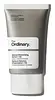
This barrier-repair moisturizer is formulated around Sodium Hyaluronate and Arginine to strengthen the skin barrier and hydrate skin.
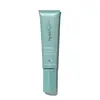
This oil-control moisturizer is formulated around Salicylic Acid and Palmitoyl Tripeptide-5 to balance excess oil.


What's inside
What's inside
 Key Ingredients
Benefits
Concerns
Ingredients Side-by-side
Water
Skin ConditioningCaprylic/Capric Triglyceride
Masking


Cetyl Alcohol
Emollient


Propanediol
Solvent
Stearyl Alcohol
Emollient
Glycerin
Humectant
Sodium Hyaluronate
Humectant


Arginine
Masking
Aspartic Acid
Masking
Glycine
Buffering
Alanine
Masking
Serine
Masking
Valine
MaskingIsoleucine
Skin ConditioningProline
Skin Conditioning
Threonine
Histidine
Humectant
Phenylalanine
Masking
Glucose
Humectant
Maltose
MaskingFructose
Humectant
Trehalose
Humectant
Sodium PCA
Humectant
PCA
Humectant
Sodium Lactate
Buffering
Urea
Buffering

Allantoin
Skin Conditioning
Linoleic Acid
Cleansing
Oleic Acid
Emollient


Phytosteryl Canola Glycerides
Skin Conditioning
Palmitic Acid
Emollient
Stearic Acid
Cleansing
Lecithin
Emollient
Triolein
Skin Conditioning
Tocopherol
Antioxidant


Carbomer
Emulsion StabilisingIsoceteth-20
EmulsifyingPolysorbate 60
Emulsifying
Sodium Chloride
MaskingCitric Acid
Buffering
Trisodium Ethylenediamine Disuccinate
ChelatingPentylene Glycol
Skin Conditioning
Triethanolamine
BufferingSodium Hydroxide
BufferingPhenoxyethanol
Preservative
Chlorphenesin
Antimicrobial
Water, Caprylic/Capric Triglyceride, Cetyl Alcohol, Propanediol, Stearyl Alcohol, Glycerin, Sodium Hyaluronate, Arginine, Aspartic Acid, Glycine, Alanine, Serine, Valine, Isoleucine, Proline, Threonine, Histidine, Phenylalanine, Glucose, Maltose, Fructose, Trehalose, Sodium PCA, PCA, Sodium Lactate, Urea, Allantoin, Linoleic Acid, Oleic Acid, Phytosteryl Canola Glycerides, Palmitic Acid, Stearic Acid, Lecithin, Triolein, Tocopherol, Carbomer, Isoceteth-20, Polysorbate 60, Sodium Chloride, Citric Acid, Trisodium Ethylenediamine Disuccinate, Pentylene Glycol, Triethanolamine, Sodium Hydroxide, Phenoxyethanol, Chlorphenesin
Water
Skin ConditioningGlycerin
Humectant
C13-15 Alkane
SolventDiethylhexyl Carbonate
EmollientDimethicone
Emollient
Pentylene Glycol
Skin Conditioning
Thermus Thermophillus Ferment
Skin ConditioningSodium Polyacryloyldimethyl Taurate
Emulsion StabilisingButylene Glycol
Humectant
1,2-Hexanediol
Skin Conditioning
Olea Europaea Fruit Unsaponifiables
Antioxidant
Hydroxyacetophenone
Antioxidant
Citrullus Lanatus Fruit Extract
Skin Conditioning
Lens Esculenta Fruit Extract
Skin ConditioningSalicylic Acid
Masking





Pyrus Malus Fruit Extract
Skin Conditioning
Ganoderma Lucidum Stem Extract
Skin ConditioningMicrococcus Lysate
Skin ConditioningSerenoa Serrulata Fruit Extract
Skin Conditioning
Caprylic/Capric Triglyceride
Masking
Sodium Lactate
Buffering
Panthenol
Skin Conditioning
Sodium Hyaluronate
Humectant
Sodium Phytate
ChelatingCitrus Limon Peel Extract
EmollientSodium PCA
Humectant
Citrus Paradisi Fruit Extract
Skin ConditioningCaprylyl Glycol
Emollient
Citrus Aurantium Dulcis Peel Extract
Emulsion Stabilising
Palmitoyl Tripeptide-5
Skin Conditioning
Camellia Sinensis Leaf Extract
Antimicrobial
Citrus Aurantifolia Peel Extract
Cleansing
Citrus Aurantium Bergamia Fruit Extract
Skin ConditioningCitrus Nobilis Fruit Extract
MaskingCitrus Tangerina Peel Extract
AstringentAcetyl Dipeptide-3 Aminohexanoate
Skin Conditioning
Acetyl Tetrapeptide-40
Skin Conditioning
Barosma Betulina Leaf Extract
Perfuming
Vanilla Planifolia Fruit Extract
Skin Conditioning
Vitis Vinifera Fruit Extract
Skin ConditioningCitrus Aurantium Dulcis Fruit Extract
MaskingJuniperus Virginiana Wood Extract
Perfuming
Musa Sapientum Fruit Extract
Skin ConditioningPrunus Armeniaca Fruit Extract
Skin ConditioningAnanas Sativus Fruit Extract
Skin ConditioningButter Extract
Emollient
Cocos Nucifera Fruit Extract
Emollient
Coffea Arabica Leaf/Seed Extract
MaskingCucumis Melo Fruit Extract
Skin ConditioningFragaria Chiloensis Fruit Extract
Skin Conditioning
Honey Extract
Humectant
Prunus Amygdalus Dulcis Fruit Extract
Skin ConditioningRubus Idaeus Fruit Extract
AstringentLactic Acid
Buffering
Water, Glycerin, C13-15 Alkane, Diethylhexyl Carbonate, Dimethicone, Pentylene Glycol, Thermus Thermophillus Ferment, Sodium Polyacryloyldimethyl Taurate, Butylene Glycol, 1,2-Hexanediol, Olea Europaea Fruit Unsaponifiables, Hydroxyacetophenone, Citrullus Lanatus Fruit Extract, Lens Esculenta Fruit Extract, Salicylic Acid, Pyrus Malus Fruit Extract, Ganoderma Lucidum Stem Extract, Micrococcus Lysate, Serenoa Serrulata Fruit Extract, Caprylic/Capric Triglyceride, Sodium Lactate, Panthenol, Sodium Hyaluronate, Sodium Phytate, Citrus Limon Peel Extract, Sodium PCA, Citrus Paradisi Fruit Extract, Caprylyl Glycol, Citrus Aurantium Dulcis Peel Extract, Palmitoyl Tripeptide-5, Camellia Sinensis Leaf Extract, Citrus Aurantifolia Peel Extract, Citrus Aurantium Bergamia Fruit Extract, Citrus Nobilis Fruit Extract, Citrus Tangerina Peel Extract, Acetyl Dipeptide-3 Aminohexanoate, Acetyl Tetrapeptide-40, Barosma Betulina Leaf Extract, Vanilla Planifolia Fruit Extract, Vitis Vinifera Fruit Extract, Citrus Aurantium Dulcis Fruit Extract, Juniperus Virginiana Wood Extract, Musa Sapientum Fruit Extract, Prunus Armeniaca Fruit Extract, Ananas Sativus Fruit Extract, Butter Extract, Cocos Nucifera Fruit Extract, Coffea Arabica Leaf/Seed Extract, Cucumis Melo Fruit Extract, Fragaria Chiloensis Fruit Extract, Honey Extract, Prunus Amygdalus Dulcis Fruit Extract, Rubus Idaeus Fruit Extract, Lactic Acid
Reviews
Ingredients Explained
These ingredients are found in both products.
Ingredients higher up in an ingredient list are typically present in a larger amount.
Caprylic/Capric Triglyceride (aka MCT Oil) is a lightweight emollient, solvent, and texture enhancer. It is considered a skin-softener by helping to prevent moisture loss.
Though it behaves like an oil, it is not technically one due to its chemical composition. One perk of this ingredient is that it is very stable, resistant to oxidation, and unlikely to go rancid.
In practice, that translates to a long shelf life and a consistently elegant skin feel.
While there is an assumption Caprylic Triglyceride can clog pores due to it being derived from coconut oil, there is no research supporting this. Just patch test if you have concerns.
Fractionated coconut oil and MCT Oil are both listed as Caprylic/Capric Triglyceride according to INCI. This is because INCI names are based on the ingredient’s final chemical composition and not its marketing name or source.
This ingredient is treated as the gold standard fungal acne safe oil. Even though it is coconut derived, the problematic lauric acid is stripped out.
This leaves just caprylic (C8) and capric (C10) acid. These chain lengths actually trend antifungal; a 2020 study found caprylic acid was enough to disrupt Malassezia furfur cell membrane, with a caprylic acid derivative damaging membrane structures at concentrations as low as 0.2%.
Learn more about Caprylic/Capric TriglycerideGlycerin (or glycerol) is a compound naturally found in your skin. It's a powerhouse humectant that pulls water into the stratum corneum.
Topically, glycerin does several things at once:
Your skin makes glycerin on its own (mostly from sebaceous oil breakdown) and shuttles it to your outermost layer of skin, or your epidermis, via aquaporin-3.
Aquaporin-3 is a transporter that is essential for normal skin hydration, elasticity, and repair. Interestingly, mice lacking in AQP3 have dry and less elastic skin that can be fully corrected with glycerin.
This ingredient is non-irritating, plays well with almost every ingredient, and works across all skin types. Typical use is anywhere between 3-10% but can go up to 79% in some leave-on products.
Just know very high concentrations (>40%) can feel tacky in low humidity.
Glycerin is the name for this ingredient in American English. British English uses Glycerol/Glycerine.
Learn more about GlycerinPentylene Glycol (1,2-pentanediol) is a multitasking little diol with three main roles in a formula:
Research on alkanediols (the family pentylene glycol belongs to) show they work by disrupting microbial cell membranes. This disruption helps the primary preservative system in a product work more effectively at lower doses.
On the safety side, the Cosmetic Ingredient Review Expert Panel has concluded this ingredient to be safe as used in current cosmetic practices + concentrations.
Typical use levels in a formula run about 1-5%.
Learn more about Pentylene GlycolSodium Hyaluronate is the salt form of hyaluronic acid. It is a long sugar chain that is naturally found in your skin, joints, and connective tissue that maintains hydration and elasticity.
In skincare, it works as a humectant. It pulls water from the environment and deeper layers of skin and binds it to the surface.
Interestingly, the size of the molecule affects its behavior:
Some clinical evidence links low molecular weight versions to improved wrinkle depth, elasticity, anti-inflammatory effects, and barrier repair.
Many serums use a blend of both weights so you can get surface hydration plus longer-lasting and deeper effects.
You'll typically see concentrations between 0.1-2% for this ingredient.
Learn more about Sodium HyaluronateSodium Lactate is the sodium salt of lactic acid, an AHA. It is a humectant and sometimes used to adjust the pH of a product.
This ingredient is part of our skin's NMF, or natural moisturizing factor. Our NMF is essential for the hydration of our top skin layers and plasticity of skin. NMF also influences our skin's natural acid mantle and pH, which protects our skin from harmful bacteria.
High percentages of Sodium Lactate can have an exfoliating effect.
Fun fact: Sodium Lactate is produced from fermented sugar.
Learn more about Sodium LactateSodium PCA (the salt of PCA) is one of the most well-established humectants in skincare.
Why is it so special? Your skin already makes it naturally; it's a natural component of your skin's Natural Moisturizing Factor (NMF), or the mix of water-binding compounds inside your skin cells that keeps things soft and hydrated.
As a cosmetic ingredient, it grabs water and holds it in the upper layers of skin to smooth roughness and ease dehydration.
There's some clinical support for the NMF approach with a study showing that a cream built to mimic the skin's NMF significantly boosted hydration.
Safety-wise, this ingredient non-irritating, non-comedogenic, and non-phototoxic in testing, with minimal skin absorption.
It also works really well with other hydrators like glycerin or hyaluronic acid, and typical usage is somewhere between 0.2-4%.
Learn more about Sodium PCAWater. It's the most common cosmetic ingredient of all. You'll usually see it at the top of ingredient lists, meaning that it makes up the largest part of the product.
So why is it so popular? Water most often acts as a solvent - this means that it helps dissolve other ingredients into the formulation.
You'll also recognize water as that liquid we all need to stay alive. If you see this, drink a glass of water. Remember to stay hydrated!
Learn more about Water

