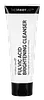
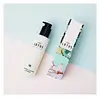
The INKEY List Fulvic Acid Brightening Cleanser Versus The Pure Lotus Jeju Botanical pH Balancing Cleanser
This gel cleanser uses mild cleansing ingredients, but contains alcohol that may feel drying for some.


What's inside
What's inside
 Key Ingredients
Benefits
Concerns
Ingredients Side-by-side
Water
Skin ConditioningCoco-Glucoside
Cleansing
Glycerin
Humectant


Butylene Glycol
Humectant
Xanthan Gum
EmulsifyingPhenoxyethanol
Preservative
Benzyl Alcohol
Perfuming





Aloe Barbadensis Leaf Juice
Skin Conditioning

Caprylic/Capric Triglyceride
Masking
Peat
Skin ConditioningGlycyrrhiza Glabra Root Extract
Bleaching

PEG-200 Hydrogenated Glyceryl Palmate
Cleansing

PEG-7 Glyceryl Cocoate
Emulsifying
Disodium EDTA
ChelatingHelianthus Annuus Seed Oil
Emollient
Prunus Amygdalus Dulcis Oil
Skin Conditioning
Dehydroacetic Acid
Preservative
Terminalia Ferdinandiana Fruit Extract
Antioxidant
Potassium Sorbate
Preservative
Water, Coco-Glucoside, Glycerin, Butylene Glycol, Xanthan Gum, Phenoxyethanol, Benzyl Alcohol, Aloe Barbadensis Leaf Juice, Caprylic/Capric Triglyceride, Peat, Glycyrrhiza Glabra Root Extract, PEG-200 Hydrogenated Glyceryl Palmate, PEG-7 Glyceryl Cocoate, Disodium EDTA, Helianthus Annuus Seed Oil, Prunus Amygdalus Dulcis Oil, Dehydroacetic Acid, Terminalia Ferdinandiana Fruit Extract, Potassium Sorbate
Water
Skin ConditioningGlycerin
Humectant
Potassium Cocoyl Glycinate
Surfactant
Disodium Laureth Sulfosuccinate
CleansingDecyl Glucoside
Cleansing
Niacinamide
Smoothing





Aloe Barbadensis Leaf Extract
Emollient
Lauryl Glucoside
CleansingCamellia Sinensis Leaf Extract
Antimicrobial
Coco-Betaine
Cleansing
1,2-Hexanediol
Skin Conditioning
Sea Water
HumectantAcrylates/C10-30 Alkyl Acrylate Crosspolymer
Emulsion StabilisingSorbitol
Humectant
Nelumbo Nucifera Leaf Extract
Skin ConditioningXanthan Gum
EmulsifyingTromethamine
BufferingOryza Sativa Extract
Absorbent
Citrus Unshiu Peel Extract
MaskingRosmarinus Officinalis Leaf Extract
AntimicrobialNelumbo Nucifera Root Extract
Skin ConditioningOpuntia Coccinellifera Fruit Extract
Skin ConditioningStyrene/Acrylates Copolymer
Citrus Limon Peel Oil
Masking
Lavandula Angustifolia Oil
Masking
Citric Acid
Buffering
Butylene Glycol
Humectant
Disodium EDTA
ChelatingSodium Benzoate
Masking
Citrus Aurantium Dulcis Peel Oil
Masking
Pyrus Malus Fruit Extract
Skin Conditioning
Allantoin
Skin Conditioning
Trehalose
Humectant
Panthenol
Skin Conditioning
Benzoic Acid
Masking
Bacillus/Soybean Ferment Extract
Skin ConditioningSodium Hyaluronate
Humectant
Folic Acid
Skin ConditioningAloe Barbadensis Leaf Juice
Skin Conditioning
Water, Glycerin, Potassium Cocoyl Glycinate, Disodium Laureth Sulfosuccinate, Decyl Glucoside, Niacinamide, Aloe Barbadensis Leaf Extract, Lauryl Glucoside, Camellia Sinensis Leaf Extract, Coco-Betaine, 1,2-Hexanediol, Sea Water, Acrylates/C10-30 Alkyl Acrylate Crosspolymer, Sorbitol, Nelumbo Nucifera Leaf Extract, Xanthan Gum, Tromethamine, Oryza Sativa Extract, Citrus Unshiu Peel Extract, Rosmarinus Officinalis Leaf Extract, Nelumbo Nucifera Root Extract, Opuntia Coccinellifera Fruit Extract, Styrene/Acrylates Copolymer, Citrus Limon Peel Oil, Lavandula Angustifolia Oil, Citric Acid, Butylene Glycol, Disodium EDTA, Sodium Benzoate, Citrus Aurantium Dulcis Peel Oil, Pyrus Malus Fruit Extract, Allantoin, Trehalose, Panthenol, Benzoic Acid, Bacillus/Soybean Ferment Extract, Sodium Hyaluronate, Folic Acid, Aloe Barbadensis Leaf Juice
Reviews
Ingredients Explained
These ingredients are found in both products.
Ingredients higher up in an ingredient list are typically present in a larger amount.
Aloe Barbadensis Leaf Juice is the filtered, stabilized liquid pressed from the inner gel of the aloe vera leaf.
In cosmetics, it shows up as either soothing active or a water-replacement base. It is roughly 98-99% water and the last 1-2% is an interesting mix of polysaccharides, amino acids, vitamins, minerals, and enzymes.
The polysaccharides do most of the work: they bind water at the skin surface for a light, non-greasy hydration boost. And one of the polysaccharides, glycomannan, is linked to fibroblast stimulation + collagen synthesis. This is also why aloe has such a long track record in wound and burn healing.
This ingredient is also calming with anti-inflammatory and mild antimicrobial activity, making it a great pick for sensitive, irritated, or post-sun skin.
Realistic expectations matter though; the solid evidence is mostly limited to hydration, soothing, and wound support. Deeper claims about anti-aging or sun protection are not well backed, and science reviews note it does not prevent radiation-induced skin injury.
Because it plays well with almost everything, it's commonly used as a base alongside other actives like niacinamide or vitamin C.
Typical usage concentrations range from 0.5% (where hydration benefits already show up) all the way to 90%+ (where it replaces water as the main base).
The safety for this ingredient is well-establish as well. Overall, this is a great supporting ingredient for those who want a boost in hydration.
Learn more about Aloe Barbadensis Leaf JuiceButylene Glycol (or BG) is used within cosmetic products for a few different reasons:
Overall, Butylene Glycol is a safe and well-rounded ingredient that works well with other ingredients.
Though this ingredient works well with most skin types, some people with sensitive skin may experience a reaction such as allergic rashes, closed comedones, or itchiness.
Learn more about Butylene GlycolDisodium EDTA is a chelating agent. It grabs onto and deactivates metal ions that sneak into your products from water, packaging, or air.
This ingredient mainly works behind the scenes and helps with:
On top of that, this ingredient can counteract the effects of hard water by binding to the minerals in it.
One thing worth knowing is that Disodium EDTA has been shown to be a mild penetration enhancer. It can help other ingredients absorb into skin more effectively which can be a double-edged sword (great for actives, but can also make the active too strong if you have sensitive skin).
Clinical patch testing showed no significant skin irritation at typical use concentrations and minimal dermal absorption.
You'll most likely see this ingredient near the end of an ingredient list. It's typically found in concentrations less than 1%.
Learn more about Disodium EDTAGlycerin (or glycerol) is a compound naturally found in your skin. It's a powerhouse humectant that pulls water into the stratum corneum.
Topically, glycerin does several things at once:
Your skin makes glycerin on its own (mostly from sebaceous oil breakdown) and shuttles it to your outermost layer of skin, or your epidermis, via aquaporin-3.
Aquaporin-3 is a transporter that is essential for normal skin hydration, elasticity, and repair. Interestingly, mice lacking in AQP3 have dry and less elastic skin that can be fully corrected with glycerin.
This ingredient is non-irritating, plays well with almost every ingredient, and works across all skin types. Typical use is anywhere between 3-10% but can go up to 79% in some leave-on products.
Just know very high concentrations (>40%) can feel tacky in low humidity.
Glycerin is the name for this ingredient in American English. British English uses Glycerol/Glycerine.
Learn more about GlycerinWater. It's the most common cosmetic ingredient of all. You'll usually see it at the top of ingredient lists, meaning that it makes up the largest part of the product.
So why is it so popular? Water most often acts as a solvent - this means that it helps dissolve other ingredients into the formulation.
You'll also recognize water as that liquid we all need to stay alive. If you see this, drink a glass of water. Remember to stay hydrated!
Learn more about WaterXanthan gum is used as a stabilizer and thickener within cosmetic products. It helps give products a sticky, thick feeling - preventing them from being too runny.
On the technical side of things, xanthan gum is a polysaccharide - a combination consisting of multiple sugar molecules bonded together.
Xanthan gum is a pretty common and great ingredient. It is a natural, non-toxic, non-irritating ingredient that is also commonly used in food products.
Learn more about Xanthan Gum

