The Cocoon Vietnam Hau Giang Lotus Soothing Serum Mist Versus The Cocoon Vietnam Winter Melon Cleanser
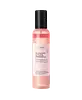
This calming essence is formulated around Beta-Glucan and Madecassoside to calm redness and strengthen the skin barrier.
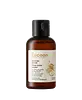
This salicylic acid gel cleanser is formulated around Salicylic Acid to clear breakouts and unclog pores.

What's inside
What's inside
 Key Ingredients
Benefits
Concerns
Ingredients Side-by-side
Water
Skin ConditioningCoco-Caprylate/Caprate
Emollient
Caprylic/Capric Triglyceride
Masking

Propanediol
Solvent
Nelumbo Nucifera Flower Extract
Skin ConditioningAlpha-Glucan Oligosaccharide
Cleansing
Inulin
Skin Conditioning
Beta-Glucan
Skin Conditioning


Cyanocobalamin
Skin ConditioningLithospermum Erythrorhizon Root Extract
Skin ConditioningSchisandra Sphenanthera Fruit Extract
Antioxidant
Rosa Damascena Flower Water
Masking
Madecassoside
Antioxidant

Dipotassium Glycyrrhizate
Humectant
Allantoin
Skin Conditioning
Panthenol
Skin Conditioning
Xylitylglucoside
Humectant
Squalane
Emollient
Anhydroxylitol
Humectant
Xylitol
Humectant
Carthamus Tinctorius Seed Oil
Masking


Glycerin
Humectant
Maltodextrin
Absorbent
Hydroxyacetophenone
Antioxidant
Sodium Gluconate
ChelatingDiphenylsiloxy Phenyl Trimethicone
Skin Conditioning
Trisodium Ethylenediamine Disuccinate
ChelatingSodium Metabisulfite
Antioxidant
Sodium Chloride
MaskingSodium Benzoate
Masking
Potassium Sorbate
Preservative
Citric Acid
Buffering

Water, Coco-Caprylate/Caprate, Caprylic/Capric Triglyceride, Propanediol, Nelumbo Nucifera Flower Extract, Alpha-Glucan Oligosaccharide, Inulin, Beta-Glucan, Cyanocobalamin, Lithospermum Erythrorhizon Root Extract, Schisandra Sphenanthera Fruit Extract, Rosa Damascena Flower Water, Madecassoside, Dipotassium Glycyrrhizate, Allantoin, Panthenol, Xylitylglucoside, Squalane, Anhydroxylitol, Xylitol, Carthamus Tinctorius Seed Oil, Glycerin, Maltodextrin, Hydroxyacetophenone, Sodium Gluconate, Diphenylsiloxy Phenyl Trimethicone, Trisodium Ethylenediamine Disuccinate, Sodium Metabisulfite, Sodium Chloride, Sodium Benzoate, Potassium Sorbate, Citric Acid
Water
Skin ConditioningPotassium Laureth Phosphate
EmulsifyingCocamidopropyl Betaine
Cleansing

Acrylates/Steareth-20 Methacrylate Copolymer
Sodium Cocoyl Glycinate
Cleansing
Cocoyl Methyl Glucamide
Skin Conditioning
PEG-7 Glyceryl Cocoate
Emulsifying
Glycerin
Humectant
Benincasa Cerifera Fruit Extract
Skin ConditioningSalicylic Acid
Masking



Niacinamide
Smoothing

Panthenol
Skin Conditioning
Centella Asiatica Extract
Cleansing
Betaine
Humectant
Propanediol
Solvent
Butylene Glycol
Humectant
PEG-120 Methyl Glucose Dioleate
Emulsifying
Molasses
Skin ConditioningGlycereth-26
Humectant
Sodium Lactate
Buffering
Sodium Hydroxide
BufferingPolysorbate 20
Emulsifying
Melaleuca Alternifolia Leaf Oil
Antioxidant

Rosmarinus Officinalis Leaf Oil
Masking
Lavandula Angustifolia Flower Oil
Masking
Allantoin
Skin Conditioning
Ethylhexylglycerin
Skin ConditioningPhenoxyethanol
Preservative
Xanthan Gum
EmulsifyingMenthyl Lactate
Masking
Trisodium Ethylenediamine Disuccinate
ChelatingWater, Potassium Laureth Phosphate, Cocamidopropyl Betaine, Acrylates/Steareth-20 Methacrylate Copolymer, Sodium Cocoyl Glycinate, Cocoyl Methyl Glucamide, PEG-7 Glyceryl Cocoate, Glycerin, Benincasa Cerifera Fruit Extract, Salicylic Acid, Niacinamide, Panthenol, Centella Asiatica Extract, Betaine, Propanediol, Butylene Glycol, PEG-120 Methyl Glucose Dioleate, Molasses, Glycereth-26, Sodium Lactate, Sodium Hydroxide, Polysorbate 20, Melaleuca Alternifolia Leaf Oil, Rosmarinus Officinalis Leaf Oil, Lavandula Angustifolia Flower Oil, Allantoin, Ethylhexylglycerin, Phenoxyethanol, Xanthan Gum, Menthyl Lactate, Trisodium Ethylenediamine Disuccinate
Reviews
Ingredients Explained
These ingredients are found in both products.
Ingredients higher up in an ingredient list are typically present in a larger amount.
Allantoin is a soothing ingredient known for its protective and moisturizing properties; it's basically a quiet workhorse ingredient you can find in a huge range of cosmetics.
Though it can be derived from the comfrey plant, allantoin is produced synthetically for cosmetic products to ensure purity.
Research shows it can encourage your skin cells to turn over and renew by stimulating keratinocyte and fibroblast proliferation.
It also has mild keratolytic properties to help loosen and shed dead skin cells without being harsh.
Studies also suggest allantoin can help calm inflammation by dialing down some of the chemical signals your skin sends out when it is irritated.
This ingredient is typically used in the 0.1-0.5% range, and the FDA recognizes it as a skin protectant in OTC products up to 2%.
Overall, allantoin is a wonderful addition to most routines; it is stable across a wide pH range (~4-8), works well with other ingredients, and is considered non-sensitizing/non-irritating.
Fun fact: Allantoin is naturally occurring in comfrey root, beets, chamomile, and wheat sprouts. Our bodies even produce it as a byproduct of uric acid metabolism.
Learn more about AllantoinGlycerin (or glycerol) is a compound naturally found in your skin. It's a powerhouse humectant that pulls water into the stratum corneum.
Topically, glycerin does several things at once:
Your skin makes glycerin on its own (mostly from sebaceous oil breakdown) and shuttles it to your outermost layer of skin, or your epidermis, via aquaporin-3.
Aquaporin-3 is a transporter that is essential for normal skin hydration, elasticity, and repair. Interestingly, mice lacking in AQP3 have dry and less elastic skin that can be fully corrected with glycerin.
This ingredient is non-irritating, plays well with almost every ingredient, and works across all skin types. Typical use is anywhere between 3-10% but can go up to 79% in some leave-on products.
Just know very high concentrations (>40%) can feel tacky in low humidity.
Glycerin is the name for this ingredient in American English. British English uses Glycerol/Glycerine.
Learn more about GlycerinPanthenol is a common ingredient that helps hydrate and soothe the skin. It is found naturally in our skin and hair.
There are two forms of panthenol: D and L.
D-panthenol is also known as dexpanthenol. Most cosmetics use dexpanthenol or a mixture of D and L-panthenol.
Panthenol is famous due to its ability to go deeper into the skin's layers. Using this ingredient has numerous pros (and no cons):
Like hyaluronic acid, panthenol is a humectant. Humectants are able to bind and hold large amounts of water to keep skin hydrated.
This ingredient works well for wound healing. It works by increasing tissue in the wound and helps close open wounds.
Once oxidized, panthenol converts to pantothenic acid. Panthothenic acid is found in all living cells.
This ingredient is also referred to as pro-vitamin B5.
Learn more about PanthenolPropanediol is an all-star ingredient. It softens, hydrates, and smooths the skin.
It’s often used to:
Propanediol is not likely to cause sensitivity and considered safe to use. It is derived from corn or petroleum with a clear color and no scent.
Learn more about PropanediolTrisodium Ethylenediamine Disuccinate is used to help stabilize a product.
It is a chelating agent, meaning it helps prevent metal ions from binding to other ingredients. This prevents unwanted reactions in products. Metal ions can come into a product via the water ingredient. They are found in trace amounts and are not known to be harmful.
Water. It's the most common cosmetic ingredient of all. You'll usually see it at the top of ingredient lists, meaning that it makes up the largest part of the product.
So why is it so popular? Water most often acts as a solvent - this means that it helps dissolve other ingredients into the formulation.
You'll also recognize water as that liquid we all need to stay alive. If you see this, drink a glass of water. Remember to stay hydrated!
Learn more about Water

