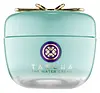
This pore-care moisturizer is formulated around Saccharomyces/Rice Ferment Filtrate and Camellia Sinensis Leaf Extract to refine the look of pores and hydrate skin.
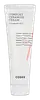
This barrier-repair moisturizer is formulated around Centella Asiatica Leaf Water and Ceramide NP to strengthen the skin barrier and calm redness.


What's inside
What's inside
 Key Ingredients
Benefits
Concerns
Ingredients Side-by-side
Water
Skin ConditioningSaccharomyces/Rice Ferment Filtrate
Skin Conditioning


Dimethicone
Emollient

Propanediol
Solvent
Glycerin
Humectant
Diglycerin
Humectant
Diphenylsiloxy Phenyl Trimethicone
Skin Conditioning
Camellia Sinensis Leaf Extract
Antimicrobial






Cladosiphon Okamuranus Extract
Skin ConditioningPEG-9 Polydimethylsiloxyethyl Dimethicone
Emulsifying
Gold
Cosmetic ColorantBelamcanda Chinensis Root Extract
Skin ConditioningRosa Multiflora Fruit Extract
MaskingHouttuynia Cordata Extract
Skin Conditioning
Sophora Angustifolia Root Extract
Skin ConditioningSodium Hyaluronate
Humectant
Lecithin
Emollient
Pistacia Lentiscus Gum
MaskingSodium Chloride
MaskingSodium Citrate
BufferingMica
Cosmetic ColorantTin Oxide
Abrasive
Dimethicone/PEG-10/15 Crosspolymer
Dimethicone/Phenyl Vinyl Dimethicone Crosspolymer
Tocopherol
Antioxidant

Butylene Glycol
Humectant
Ethylhexylglycerin
Skin ConditioningDipropylene Glycol
HumectantParfum
Masking



Alcohol
Antimicrobial

Phenoxyethanol
Preservative
Limonene
Perfuming
Linalool
Perfuming
Citral
Perfuming
CI 77891
Cosmetic ColorantWater, Saccharomyces/Rice Ferment Filtrate, Dimethicone, Propanediol, Glycerin, Diglycerin, Diphenylsiloxy Phenyl Trimethicone, Camellia Sinensis Leaf Extract, Cladosiphon Okamuranus Extract, PEG-9 Polydimethylsiloxyethyl Dimethicone, Gold, Belamcanda Chinensis Root Extract, Rosa Multiflora Fruit Extract, Houttuynia Cordata Extract, Sophora Angustifolia Root Extract, Sodium Hyaluronate, Lecithin, Pistacia Lentiscus Gum, Sodium Chloride, Sodium Citrate, Mica, Tin Oxide, Dimethicone/PEG-10/15 Crosspolymer, Dimethicone/Phenyl Vinyl Dimethicone Crosspolymer, Tocopherol, Butylene Glycol, Ethylhexylglycerin, Dipropylene Glycol, Parfum, Alcohol, Phenoxyethanol, Limonene, Linalool, Citral, CI 77891
Centella Asiatica Leaf Water
Skin Conditioning
Butylene Glycol
Humectant
Glycerin
Humectant
Helianthus Annuus Seed Oil
Emollient
Caprylic/Capric Triglyceride
Masking
Cetearyl Alcohol
Emollient


Betaine
Humectant
1,2-Hexanediol
Skin Conditioning
Cetearyl Olivate
Elaeis Guineensis Oil
Emollient
Ceramide NP
Skin Conditioning
Sorbitan Olivate
Emulsifying
Hydrogenated Lecithin
Emulsifying
Triethylhexanoin
MaskingBeeswax
Emulsion Stabilising
Elaeis Guineensis Kernel Oil
Emollient
Hydroxyethyl Acrylate/Sodium Acryloyldimethyl Taurate Copolymer
Emulsion StabilisingEthylhexylglycerin
Skin ConditioningCyclohexasiloxane
Emollient
Cassia Obtusifolia Seed Extract
Skin ConditioningSucrose Distearate
Emollient
Dipropylene Glycol
HumectantPanthenol
Skin Conditioning
Niacinamide
Smoothing


Dimethicone/Vinyl Dimethicone Crosspolymer
Skin Conditioning
Glyceryl Stearate
Emollient
Xanthan Gum
EmulsifyingSodium Hyaluronate
Humectant
Limonene
Perfuming
Citrus Aurantium Bergamia Fruit Oil
Masking
Asiaticoside
Antioxidant
Asiatic Acid
Skin Conditioning
Madecassic Acid
Skin Conditioning
Linalool
Perfuming
Centella Asiatica Leaf Water, Butylene Glycol, Glycerin, Helianthus Annuus Seed Oil, Caprylic/Capric Triglyceride, Cetearyl Alcohol, Betaine, 1,2-Hexanediol, Cetearyl Olivate, Elaeis Guineensis Oil, Ceramide NP, Sorbitan Olivate, Hydrogenated Lecithin, Triethylhexanoin, Beeswax, Elaeis Guineensis Kernel Oil, Hydroxyethyl Acrylate/Sodium Acryloyldimethyl Taurate Copolymer, Ethylhexylglycerin, Cyclohexasiloxane, Cassia Obtusifolia Seed Extract, Sucrose Distearate, Dipropylene Glycol, Panthenol, Niacinamide, Dimethicone/Vinyl Dimethicone Crosspolymer, Glyceryl Stearate, Xanthan Gum, Sodium Hyaluronate, Limonene, Citrus Aurantium Bergamia Fruit Oil, Asiaticoside, Asiatic Acid, Madecassic Acid, Linalool
Reviews
Ingredients Explained
These ingredients are found in both products.
Ingredients higher up in an ingredient list are typically present in a larger amount.
Butylene Glycol (or BG) is used within cosmetic products for a few different reasons:
Overall, Butylene Glycol is a safe and well-rounded ingredient that works well with other ingredients.
Though this ingredient works well with most skin types, some people with sensitive skin may experience a reaction such as allergic rashes, closed comedones, or itchiness.
Learn more about Butylene GlycolDipropylene Glycol is a synthetically created humectant, stabilizer, and solvent.
This ingredient helps:
Dipropylene glycol is technically an alcohol, but it belongs to the glycol family (often considered part of the ‘good’ alcohols). This means it is hydrating and gentle on skin unlike drying solvent alcohols like denatured alcohol.
As a masking agent, Dipropylene Glycol can be used to cover the smell of other ingredients. However, it does not have a scent.
Studies show Dipropylene Glycol is considered safe to use in skincare.
Learn more about Dipropylene GlycolEthylhexylglycerin is created from glycerin. It is a multitasker ingredient that:
The CIR Expert Panel found minimal skin absorption or sensitization of any kind in a safety assessment. Though this ingredient is considered well-tolerated, a small number of cases of allergic dermatitis have been published since 2002. Just be sure to patch test if you are unsure.
Industry-reported use ranges from 8% in rinse-off products and 2% in leave-on formulations.
Learn more about EthylhexylglycerinGlycerin (or glycerol) is a compound naturally found in your skin. It's a powerhouse humectant that pulls water into the stratum corneum.
Topically, glycerin does several things at once:
Your skin makes glycerin on its own (mostly from sebaceous oil breakdown) and shuttles it to your outermost layer of skin, or your epidermis, via aquaporin-3.
Aquaporin-3 is a transporter that is essential for normal skin hydration, elasticity, and repair. Interestingly, mice lacking in AQP3 have dry and less elastic skin that can be fully corrected with glycerin.
This ingredient is non-irritating, plays well with almost every ingredient, and works across all skin types. Typical use is anywhere between 3-10% but can go up to 79% in some leave-on products.
Just know very high concentrations (>40%) can feel tacky in low humidity.
Glycerin is the name for this ingredient in American English. British English uses Glycerol/Glycerine.
Learn more about GlycerinLimonene is a fragrance that adds scent and taste to a formulation.
It's found in the peel oil of citrus fruits and other plants such as lavender and eucalyptus. The scent of limonene is generally described as "sweet citrus".
Limonene acts as an antioxidant, meaning it helps neutralize free radicals.
When exposed to air, oxidized limonene may sensitize the skin. Because of this, limonene is often avoided by people with sensitive skin.
The term 'fragrance' is not regulated in many countries. In many cases, it is up to the brand to define this term. For instance, many brands choose to label themselves as "fragrance-free" because they are not using synthetic fragrances. However, their products may still contain ingredients such as essential oils that are considered a fragrance.
Learn more about LimoneneLinalool is a fragrance and helps add scent to products. It's derived from common plants such as cinnamon, mint, citrus, and lavender.
Like Limonene, this ingredient oxidizes when exposed to air. Oxidized linalool can cause allergies and skin sensitivity.
This ingredient has a scent that is floral, spicy tropical, and citrus-like.
Learn more about LinaloolSodium Hyaluronate is the salt form of hyaluronic acid. It is a long sugar chain that is naturally found in your skin, joints, and connective tissue that maintains hydration and elasticity.
In skincare, it works as a humectant. It pulls water from the environment and deeper layers of skin and binds it to the surface.
Interestingly, the size of the molecule affects its behavior:
Some clinical evidence links low molecular weight versions to improved wrinkle depth, elasticity, anti-inflammatory effects, and barrier repair.
Many serums use a blend of both weights so you can get surface hydration plus longer-lasting and deeper effects.
You'll typically see concentrations between 0.1-2% for this ingredient.
Learn more about Sodium Hyaluronate

