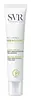
This oil-control treatment is formulated around Silica and Gluconolactone to balance excess oil and refine the look of pores.
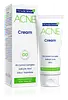
This acne treatment is formulated around Salicylic Acid and Potassium Azeloyl Diglycinate to clear breakouts and calm redness.


What's inside
What's inside
 Key Ingredients
Benefits
Concerns
Ingredients Side-by-side
Water
Skin ConditioningSilica
Abrasive


Propanediol
Solvent

Gluconolactone
Chelating





Niacinamide
Smoothing



Undecane
EmollientOrbignya Oleifera Seed Oil
Emollient


Glyceryl Stearate
Emollient
Tridecane
Perfuming

Ammonium Acryloyldimethyltaurate/Vp Copolymer
Pentylene Glycol
Skin Conditioning
Sodium Hydroxide
BufferingCetearyl Alcohol
Emollient




Hydroxyethyl Acrylate/Sodium Acryloyldimethyl Taurate Copolymer
Emulsion StabilisingSalicylic Acid
Masking



Butylene Glycol
Humectant
Saccharide Isomerate
Humectant
Sodium Stearoyl Lactylate
Emulsifying1,2-Hexanediol
Skin Conditioning
Caprylyl Glycol
Emollient
Parfum
Masking
Polysorbate 60
Emulsifying
Sorbitan Isostearate
Emulsifying
Xanthan Gum
EmulsifyingCitric Acid
Buffering
Sarcosine
Skin Conditioning
Sodium Citrate
BufferingTocopherol
Antioxidant

Water, Silica, Propanediol, Gluconolactone, Niacinamide, Undecane, Orbignya Oleifera Seed Oil, Glyceryl Stearate, Tridecane, Ammonium Acryloyldimethyltaurate/Vp Copolymer, Pentylene Glycol, Sodium Hydroxide, Cetearyl Alcohol, Hydroxyethyl Acrylate/Sodium Acryloyldimethyl Taurate Copolymer, Salicylic Acid, Butylene Glycol, Saccharide Isomerate, Sodium Stearoyl Lactylate, 1,2-Hexanediol, Caprylyl Glycol, Parfum, Polysorbate 60, Sorbitan Isostearate, Xanthan Gum, Citric Acid, Sarcosine, Sodium Citrate, Tocopherol
Water
Skin ConditioningPPG-15 Stearyl Ether
EmollientPropylene Glycol
Humectant
Steareth-2
EmulsifyingCetearyl Alcohol
Emollient
Stearic Acid
Cleansing
Steareth-21
CleansingDimethicone
Emollient
Salicylic Acid
Masking
Potassium Azeloyl Diglycinate
Skin Conditioning
Squalane
Emollient
Cucurbita Pepo Seed Oil
Emollient
Rosmarinus Officinalis Leaf Oil
Masking
Salvia Sclarea Oil
Masking
Chamomilla Recutita Flower Oil
Masking
Panthenol
Skin Conditioning
Mentha Piperita Oil
Masking

Silica
Abrasive
Lauric Acid
Cleansing
Myristic Acid
Cleansing
Oleic Acid
Emollient
Poloxamer 407
EmulsifyingXanthan Gum
EmulsifyingCaprylyl Glycol
Emollient
Phenoxyethanol
Preservative
Ethylhexylglycerin
Skin ConditioningTriethanolamine
BufferingWater, PPG-15 Stearyl Ether, Propylene Glycol, Steareth-2, Cetearyl Alcohol, Stearic Acid, Steareth-21, Dimethicone, Salicylic Acid, Potassium Azeloyl Diglycinate, Squalane, Cucurbita Pepo Seed Oil, Rosmarinus Officinalis Leaf Oil, Salvia Sclarea Oil, Chamomilla Recutita Flower Oil, Panthenol, Mentha Piperita Oil, Silica, Lauric Acid, Myristic Acid, Oleic Acid, Poloxamer 407, Xanthan Gum, Caprylyl Glycol, Phenoxyethanol, Ethylhexylglycerin, Triethanolamine
Reviews
Ingredients Explained
These ingredients are found in both products.
Ingredients higher up in an ingredient list are typically present in a larger amount.
Caprylyl Glycol is a humectant, skin conditioner, emollient, and preservative booster derived from either caprylic acid or synthetically created.
Typical use levels vary from 0.3-1% as a preservative booster and go up to 2% to condition skin.
Because it is not a free-fatty acid, this ingredient is fungal acne safe (there's nothing for Malassezia to feed on).
Learn more about Caprylyl GlycolCetearyl alcohol is a waxy mixture of two fatty alcohols: cetyl alcohol and stearyl alcohol. It is an emollient and emulsifier.
Despite having "alcohol" in its name, it has nothing to do with drying solvent alcohols; the FDA also allows "alcohol-free" products to contain fatty alcohols like this ingredient.
It plays several roles in a formula:
Typical use levels for this ingredient sit around 1-10% and the Cosmetic Ingredient Review Expert Panel has affirmed safety at concentrations up to 25% in leave-on products.
Multiple assessments have found it to be non-irritating and non-sensitizing to most people.
However, there have been some cases of allergic contact dermatitis in patients with chronically compromised skin barriers.
Cetearyl alcohol has a comedogenic rating of 2 and irritancy rating of 1. Both of these numbers come from the 1989 study that used rabbit ears; a "2" means mildly comedogenic and a "1" means low irritancy.
Here's the catch: rabbit skin is more sensitive than human skin and throws a lot of false positives. A 1996 reappraisal found that ingredients rated 1-2 in the rabbit ear tests are generally safe for humans.
Remember comedogenic ratings are unable to assess the entire formula of a product or how it will react on your skin. Just be sure to patch test if you are unsure about certain ingredients.
This ingredient is not fungal acne safe. Cetearyl alcohol is a fatty alcohol with chain lengths that fall within the range that Malassezia can metabolize.
A 2019 study has also observed Malassezia growth in the presence of this ingredient, confirming it to be not-fungal acne safe.
Learn more about Cetearyl AlcoholSalicylic Acid (also known as beta hydroxy acid or BHA) is a well-known ingredient for treating skin that struggles with acne and clogged pores. It exfoliates both the skin's surface and deep within the pores to help clear out buildup, control oil, and reduce inflammation.
Unlike AHAs (alpha hydroxy acids), salicylic acid is oil-soluble. This allows it to penetrate into pores which makes it especially effective for treating blackheads and preventing future breakouts.
Salicylic acid is also known for its soothing properties. It has a similar structure to aspirin and can calm inflamed or irritated skin, making it a good option for acne-prone skin that is also sensitive.
Concentrations of 0.5-2% are recognized by the U.S. FDA as an over-the-counter topical acne product.
It can cause irritation and/or dryness if one's skin already has a compromised moisture barrier, so it's best to focus on repairing that before introducing this ingredient into your routine.
While salicylic acid does not increase sun sensitivity, it’s still important to wear sunscreen daily to protect your skin.
If you are looking for the ingredient called BHA or Butylated Hydroxyanisole, click here.
Learn more about Salicylic AcidSilica, also known as silicon dioxide, is a naturally occurring mineral. It is used as a fine, spherical, and porous powder in cosmetics.
Though it has exfoliant properties, the function of silica varies depending on the product.
The unique structure of silica enhances the spreadability and adds smoothness, making it a great texture enhancer.
It is also used as an active carrier, emulsifier, and mattifier due to its ability to absorb excess oil.
In some products, tiny microneedles called spicules are made from silica or hydrolyzed sponge. When you rub them in, they lightly polish away dead skin layers and enhance the penetration of active ingredients.
Learn more about SilicaWater. It's the most common cosmetic ingredient of all. You'll usually see it at the top of ingredient lists, meaning that it makes up the largest part of the product.
So why is it so popular? Water most often acts as a solvent - this means that it helps dissolve other ingredients into the formulation.
You'll also recognize water as that liquid we all need to stay alive. If you see this, drink a glass of water. Remember to stay hydrated!
Learn more about WaterXanthan gum is used as a stabilizer and thickener within cosmetic products. It helps give products a sticky, thick feeling - preventing them from being too runny.
On the technical side of things, xanthan gum is a polysaccharide - a combination consisting of multiple sugar molecules bonded together.
Xanthan gum is a pretty common and great ingredient. It is a natural, non-toxic, non-irritating ingredient that is also commonly used in food products.
Learn more about Xanthan Gum

