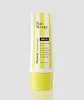
This mineral sunscreen covers the full UV range and blocks ~98% of UVB at SPF 50.
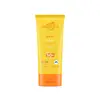
This chemical sunscreen covers the full UV range and blocks ~98% of UVB at SPF 50.

What's inside
What's inside
 Key Ingredients
Benefits
Concerns
Ingredients Side-by-side
PEG-12 Dimethicone/PPG-20 Crosspolymer

Zinc Oxide
Cosmetic Colorant


Coco-Caprylate
Emollient

Cyclopentasiloxane
Emollient
Dimethicone/Vinyl Dimethicone Crosspolymer
Skin Conditioning
Dicaprylyl Carbonate
EmollientC12-15 Alkyl Benzoate
AntimicrobialDecyl Oleate
Emollient




Propanediol
Solvent
Iron Oxides
Tocopheryl Acetate
Antioxidant


BHT
Antioxidant
Gardenia Taitensis Flower Extract
Skin ConditioningDaucus Carota Sativa Seed Oil
Emollient

Oryza Sativa Germ Extract
EmollientRubus Idaeus Fruit Extract
AstringentPEG-12 Dimethicone/PPG-20 Crosspolymer, Zinc Oxide, Coco-Caprylate, Cyclopentasiloxane, Dimethicone/Vinyl Dimethicone Crosspolymer, Dicaprylyl Carbonate, C12-15 Alkyl Benzoate, Decyl Oleate, Propanediol, Iron Oxides, Tocopheryl Acetate, BHT, Gardenia Taitensis Flower Extract, Daucus Carota Sativa Seed Oil, Oryza Sativa Germ Extract, Rubus Idaeus Fruit Extract
Water
Skin ConditioningIsododecane
EmollientPropylene Glycol
Humectant
Butyl Methoxydibenzoylmethane
UV Absorber
Terephthalylidene Dicamphor Sulfonic Acid
UV Absorber
Glycerin
Humectant
Ethylhexyl Methoxycinnamate
UV Absorber
Methylene Bis-Benzotriazolyl Tetramethylbutylphenol
UV Filter
Decyl Glucoside
Cleansing
Xanthan Gum
EmulsifyingPhenylbenzimidazole Sulfonic Acid
UV Absorber
Triethanolamine
BufferingCaprylic/Capric Triglyceride
Masking
Ammonium Acryloyldimethyltaurate/Vp Copolymer
Tapioca Starch
Dicaprylyl Carbonate
EmollientEthylhexyl Salicylate
UV Absorber
Dimethicone
Emollient
Cyclopentasiloxane
Emollient
Cetearyl Alcohol
Emollient
Ceteareth-20
Cleansing
Cetearyl Olivate
Sorbitan Olivate
Emulsifying
Phenoxyethanol
Preservative
Ethylhexylglycerin
Skin ConditioningGlyceryl Stearate
Emollient
Carica Papaya Fruit Extract
Skin ConditioningGlyceryl Glucoside
Humectant
Niacinamide
Smoothing






3-O-Ethyl Ascorbic Acid
Skin Conditioning
Polyester-7
Skin ConditioningNeopentyl Glycol Diheptanoate
EmollientSodium Polyacrylate
Absorbent
Ethoxydiglycol
HumectantHyaluronic Acid
Humectant
Biosaccharide Gum-4
Skin Conditioning
1,2-Hexanediol
Skin Conditioning
Capsicum Annuum Fruit Extract
Antimicrobial
Tocopheryl Acetate
Antioxidant
Sodium Gluconate
ChelatingLaminaria Digitata Extract
Skin Protecting
Cetyl-Pg Hydroxyethyl Palmitamide
Skin ConditioningCeramide EOP
Skin Conditioning
Ceramide Ng
Skin Conditioning
Ceramide NP
Skin Conditioning
Ceramide As
Skin Conditioning
Ceramide AP
Skin Conditioning
Panthenol
Skin Conditioning
BHT
Antioxidant
Water, Isododecane, Propylene Glycol, Butyl Methoxydibenzoylmethane, Terephthalylidene Dicamphor Sulfonic Acid, Glycerin, Ethylhexyl Methoxycinnamate, Methylene Bis-Benzotriazolyl Tetramethylbutylphenol, Decyl Glucoside, Xanthan Gum, Phenylbenzimidazole Sulfonic Acid, Triethanolamine, Caprylic/Capric Triglyceride, Ammonium Acryloyldimethyltaurate/Vp Copolymer, Tapioca Starch, Dicaprylyl Carbonate, Ethylhexyl Salicylate, Dimethicone, Cyclopentasiloxane, Cetearyl Alcohol, Ceteareth-20, Cetearyl Olivate, Sorbitan Olivate, Phenoxyethanol, Ethylhexylglycerin, Glyceryl Stearate, Carica Papaya Fruit Extract, Glyceryl Glucoside, Niacinamide, 3-O-Ethyl Ascorbic Acid, Polyester-7, Neopentyl Glycol Diheptanoate, Sodium Polyacrylate, Ethoxydiglycol, Hyaluronic Acid, Biosaccharide Gum-4, 1,2-Hexanediol, Capsicum Annuum Fruit Extract, Tocopheryl Acetate, Sodium Gluconate, Laminaria Digitata Extract, Cetyl-Pg Hydroxyethyl Palmitamide, Ceramide EOP, Ceramide Ng, Ceramide NP, Ceramide As, Ceramide AP, Panthenol, BHT
Ingredients Explained
These ingredients are found in both products.
Ingredients higher up in an ingredient list are typically present in a larger amount.
BHT is a synthetic antioxidant and preservative.
As an antioxidant, it helps your body fight off free-radicals. Free-radicals are molecules that may damage your skin cells.
As a preservative, it is used to stabilize products and prevent them from degrading. Specifically, BHT prevents degradation from oxidation.
The concerns related to BHT come from oral studies; this ingredient is currently allowed for use by both the FDA and EU.
However, it was recently restricted for use in the UK as of April 2024.
Learn more about BHTCyclopentasiloxane (D5) is a lightweight silicone that mostly acts as an emollient and solvent in cosmetics. Its the reason your products feel silky, fast-spreading, and non-greasy.
Since D5 is volatile, it does its thing and then evaporates off the skin quickly.
The safety profile of this ingredient is reassuring; the US CIR Expert Panel concluded D5 is safe as used in cosmetics and Health Canada concluded that D5 is not harmful to human health or the environment as currently used in cosmetics
There's a study that people mention about D5 in a rat study showing tumors. This study is related to long-term inhalation of high D5 levels.
Regulatory bodies have judged this study to be not applicable in topical skincare since skin absorption of D5 is very low and we're not really inhaling huge amounts of D5.
The only restriction for this ingredient is environmental. The European Chemicals Agency (ECHA) restricted D5 in wash-off cosmetics at or above 0.1% due to their persistence in water.
Learn more about CyclopentasiloxaneDicaprylyl Carbonate comes from carbonic acid and caprylyl alcohol, a fatty alcohol. It is an emollient and gives skin a velvet feel. The sources of Dicaprylyl Carbonate may be synthetic or from animals.
As an emollient, Dicaprylyl Carbonate creates a film on the skin. This film traps moisture in, keeping your skin soft and hydrated.
Tocopheryl Acetate is a stable, shelf-friendly form of vitamin E.
Formulators love it because plain vitamin E oxidizes quickly once it hits air. This acetate version stays stable and resists going off, helping to extend a product's shelf life.
It's actually inactive on its own and works like a slow-release "storage" form; the enzymes in your skin called esterases gradually convert it into active vitamin E over time.
One in vivo study showed 5% of the acetate in the living layer of the epidermis converted to vitamin E after 5 days of application. This study also found the skin gained protection against UV damage even though the conversion was slow and small.
Once converted, vitamin E acts as a skin's main fat-soluble antioxidant that fights free radicals to protect skin from damage.
Topical vitamin E generally boosts the skin's photoprotection, and it reduced UV-damage in animal models.
This ingredient has some brightening potential but it's more of a prevention ingredient than spot-fader. Cell studies show it can slow down melanin production but it's worth noting that it's not the most powerful brightener out there.
Overall, it has a pretty solid safety profile and has been found to be non-irritating and non-comedogenic. Allergic reactions may happen but stay rare due to how widely the ingredient gets used.
The concentration will vary depending on the formula; industry data shows 0.1% in baby lotions, 3% in lipsticks, and 5% in foot powders. You can also find this ingredient at 100% in a pure vitamin E oil.
Most leave-on skincare keeps it at the lower end, often between 0.5-1%.
Learn more about Tocopheryl Acetate

