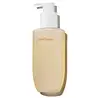
This mild foaming cleanser is made to cleanse without leaving your skin tight or dry.
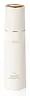
This calming essence is formulated around Panax Ginseng Root Water and Panax Ginseng Root Extract to calm redness and hydrate skin.

What's inside
What's inside
 Key Ingredients
Benefits
Concerns
Ingredients Side-by-side
Water
Skin ConditioningPotassium Cocoyl Glycinate
Surfactant
Disodium Cocoamphodiacetate
CleansingCocamidopropyl Betaine
Cleansing


Acrylates/Beheneth-25 Methacrylate Copolymer
PEG-200 Hydrogenated Glyceryl Palmate
Cleansing
Sodium Chloride
MaskingPentylene Glycol
Skin Conditioning
1,2-Hexanediol
Skin Conditioning
Sodium Methyl Cocoyl Taurate
Cleansing
Caprylyl/Capryl Glucoside
CleansingPEG-7 Glyceryl Cocoate
Emulsifying
Parfum
Masking

Isostearic Acid
Cleansing
Potassium Hydroxide
BufferingButylene Glycol
Humectant
Limonene
Perfuming
Disodium EDTA
ChelatingEthylhexylglycerin
Skin ConditioningSodium Benzoate
Masking
Tetrasodium EDTA
ChelatingCoix Lacryma-Jobi Ma-Yuen Seed Extract
Skin ConditioningCitrus Unshiu Peel Extract
MaskingCastanea Crenata Shell Extract
Skin ConditioningLinalool
Perfuming
Spirodela Polyrhiza Extract
Skin ConditioningDioscorea Japonica Root Extract
Skin Conditioning
Dextrin
AbsorbentTheobroma Cacao Extract
Skin ConditioningRubus Idaeus Fruit Extract
AstringentUlmus Davidiana Root Extract
Skin Conditioning
Salicornia Herbacea Extract
Skin ConditioningMorus Alba Leaf Extract
Skin ConditioningAngelica Keiskei Extract
Antioxidant
Citric Acid
Buffering

Tocopherol
Antioxidant



Water, Potassium Cocoyl Glycinate, Disodium Cocoamphodiacetate, Cocamidopropyl Betaine, Acrylates/Beheneth-25 Methacrylate Copolymer, PEG-200 Hydrogenated Glyceryl Palmate, Sodium Chloride, Pentylene Glycol, 1,2-Hexanediol, Sodium Methyl Cocoyl Taurate, Caprylyl/Capryl Glucoside, PEG-7 Glyceryl Cocoate, Parfum, Isostearic Acid, Potassium Hydroxide, Butylene Glycol, Limonene, Disodium EDTA, Ethylhexylglycerin, Sodium Benzoate, Tetrasodium EDTA, Coix Lacryma-Jobi Ma-Yuen Seed Extract, Citrus Unshiu Peel Extract, Castanea Crenata Shell Extract, Linalool, Spirodela Polyrhiza Extract, Dioscorea Japonica Root Extract, Dextrin, Theobroma Cacao Extract, Rubus Idaeus Fruit Extract, Ulmus Davidiana Root Extract, Salicornia Herbacea Extract, Morus Alba Leaf Extract, Angelica Keiskei Extract, Citric Acid, Tocopherol
Panax Ginseng Root Water
Masking
Propanediol
Solvent
Glycerin
Humectant
1,2-Hexanediol
Skin Conditioning
Betaine
Humectant
Cyclopentasiloxane
Emollient
Water
Skin ConditioningPanax Ginseng Root Oil
Skin Conditioning
Panax Ginseng Root Extract
Emollient
Ginsenosides
Skin ConditioningPoncirus Trifoliata Fruit Extract
Skin ConditioningAstragalus Membranaceus Root Extract
Emollient
Lycium Chinense Fruit Extract
Antioxidant
Lactobacillus/Soybean Ferment Extract
Skin ConditioningImperata Cylindrica Root Extract
Skin ConditioningGinkgo Biloba Leaf Extract
Skin Conditioning
Leonurus Sibiricus Flower/Leaf/Stem Extract
SoothingPanthenol
Skin Conditioning
Ceramide NP
Skin Conditioning
Butylene Glycol
Humectant
Tromethamine
BufferingAcrylates/C10-30 Alkyl Acrylate Crosspolymer
Emulsion StabilisingCarbomer
Emulsion StabilisingAlcohol
Antimicrobial
Disodium EDTA
ChelatingLecithin
Emollient
Caprylyl Glycol
Emollient
Dipotassium Glycyrrhizate
Humectant
Ethylhexylglycerin
Skin ConditioningEthyl Hexanediol
SolventParfum
Masking
Alpha-Isomethyl Ionone
Perfuming
Citronellol
Perfuming
Coumarin
Perfuming
Limonene
Perfuming
Linalool
Perfuming
Panax Ginseng Root Water, Propanediol, Glycerin, 1,2-Hexanediol, Betaine, Cyclopentasiloxane, Water, Panax Ginseng Root Oil, Panax Ginseng Root Extract, Ginsenosides, Poncirus Trifoliata Fruit Extract, Astragalus Membranaceus Root Extract, Lycium Chinense Fruit Extract, Lactobacillus/Soybean Ferment Extract, Imperata Cylindrica Root Extract, Ginkgo Biloba Leaf Extract, Leonurus Sibiricus Flower/Leaf/Stem Extract, Panthenol, Ceramide NP, Butylene Glycol, Tromethamine, Acrylates/C10-30 Alkyl Acrylate Crosspolymer, Carbomer, Alcohol, Disodium EDTA, Lecithin, Caprylyl Glycol, Dipotassium Glycyrrhizate, Ethylhexylglycerin, Ethyl Hexanediol, Parfum, Alpha-Isomethyl Ionone, Citronellol, Coumarin, Limonene, Linalool
Reviews
Ingredients Explained
These ingredients are found in both products.
Ingredients higher up in an ingredient list are typically present in a larger amount.
1,2-Hexanediol is a synthetic liquid and another multi-functional powerhouse.
It is a:
- Humectant, drawing moisture into the skin
- Emollient, helping to soften skin
- Solvent, dispersing and stabilizing formulas
- Preservative booster, enhancing the antimicrobial activity of other preservatives
Butylene Glycol (or BG) is used within cosmetic products for a few different reasons:
Overall, Butylene Glycol is a safe and well-rounded ingredient that works well with other ingredients.
Though this ingredient works well with most skin types, some people with sensitive skin may experience a reaction such as allergic rashes, closed comedones, or itchiness.
Learn more about Butylene GlycolDisodium EDTA is a chelating agent. It grabs onto and deactivates metal ions that sneak into your products from water, packaging, or air.
This ingredient mainly works behind the scenes and helps with:
On top of that, this ingredient can counteract the effects of hard water by binding to the minerals in it.
One thing worth knowing is that Disodium EDTA has been shown to be a mild penetration enhancer. It can help other ingredients absorb into skin more effectively which can be a double-edged sword (great for actives, but can also make the active too strong if you have sensitive skin).
Clinical patch testing showed no significant skin irritation at typical use concentrations and minimal dermal absorption.
You'll most likely see this ingredient near the end of an ingredient list. It's typically found in concentrations less than 1%.
Learn more about Disodium EDTAEthylhexylglycerin is created from glycerin. It is a multitasker ingredient that:
The CIR Expert Panel found minimal skin absorption or sensitization of any kind in a safety assessment. Though this ingredient is considered well-tolerated, a small number of cases of allergic dermatitis have been published since 2002. Just be sure to patch test if you are unsure.
Industry-reported use ranges from 8% in rinse-off products and 2% in leave-on formulations.
Learn more about EthylhexylglycerinLimonene is the compound that gives citrus peel its smell.
In skincare, it shows up as a standalone fragrance ingredient or as a natural compound of citrus and other essential oils.
You'll typically see this ingredient used in very small amounts; anything above 0.001% in a leave-on product or 0.01% in a rinse-off has to be named on the label in the EU. The citrus oils that carry it sit around 0.5-1% in a finished formula.
Fresh limonene is a weak allergen; the real issue is that it slowly reacts with air and then breaks down from oxidation to create hydroperoxides (which are strong sensitizers). This is why suppliers are required to keep the peroxide value below 20 mmol.
Positive reactions in people being investigated for eczema vary:
It's worth skipping if you have a known fragrance allergy or a compromised barrier, but the risk is low for most people.
Older or long-opened products are also more likely to bother you than fresh ones due to oxidation.
Learn more about LimoneneLinalool is a small, naturally occurring scent molecule found in plants like lavender, coriander, bergamot, and more.
It is one of the two most-used fragrance ingredients in cosmetics and added purely for smell. Since it's not used for a skin benefit, there's no "effective dose". Concentration depends on the fragrance load of the product.
The EU requires it to be named on the label above 0.001% in leave-on and 0.01% in rinse-off products.
Fresh linalool is a weak sensitizer but air exposure turns some of it into hydroperoxides, which are strong sensitizers. Those oxidation products are the actual allergy concern.
Patch-test clinics see positive reactions to linalool hydroperoxides in about 4% to 12% of dermatitis patients depending on country and test concentration.
Resassuringly, one analytical study found hydroperoxide levels in real fragranced products to be orders of magnitude below what induced sensitization in animal studies with no evidence of oxidation building up during normal storage.
The practical takeaway is that linalool is fine for most people but worth avoiding if you have a confirmed fragrance contact allergy or a badly compromised barrier.
Products stored a long time after opening are also the high-risk scenario since that is when oxidation happens.
The scent of linalool is described as floral, spicy tropical, and citrus-like.
Learn more about LinaloolParfum is a catch-all term for an ingredient or more that is used to give a scent to products.
Also called "fragrance", this ingredient can be a blend of hundreds of chemicals or plant oils. This means every product with "fragrance" or "parfum" in the ingredients list is a different mixture.
For instance, Habanolide is a proprietary trade name for a specific aroma chemical. When used as a fragrance ingredient in cosmetics, most aroma chemicals fall under the broad labeling category of “FRAGRANCE” or “PARFUM” according to EU and US regulations.
The term 'parfum' or 'fragrance' is not regulated in many countries. In many cases, it is up to the brand to define this term.
For instance, many brands choose to label themselves as "fragrance-free" because they are not using synthetic fragrances. However, their products may still contain ingredients such as essential oils that are considered a fragrance by INCI standards.
One example is Calendula flower extract. Calendula is an essential oil that still imparts a scent or 'fragrance'.
Depending on the blend, the ingredients in the mixture can cause allergies and sensitivities on the skin. Some ingredients that are known EU allergens include linalool and citronellol.
Parfum can also be used to mask or cover an unpleasant scent.
The bottom line is: not all fragrances/parfum/ingredients are created equally. If you are worried about fragrances, we recommend taking a closer look at an ingredient. And of course, we always recommend speaking with a professional.
Learn more about ParfumWater. It's the most common cosmetic ingredient of all. You'll usually see it at the top of ingredient lists, meaning that it makes up the largest part of the product.
So why is it so popular? Water most often acts as a solvent - this means that it helps dissolve other ingredients into the formulation.
You'll also recognize water as that liquid we all need to stay alive. If you see this, drink a glass of water. Remember to stay hydrated!
Learn more about Water

