Sulwhasoo Concentrated Ginseng Renewing Serum Ex Versus innisfree Youth Enhancing Treatment Essence with Black Tea + Peptides

What's inside
What's inside
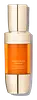 Key Ingredients
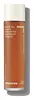
Benefits
Concerns
No concerns
Ingredients Side-by-side
Water
Skin ConditioningButylene Glycol
Humectant

Glycerin
Humectant
Cetyl Ethylhexanoate
EmollientMethyl Gluceth-20
Humectant
Behenyl Alcohol
Emollient
Betaine
Humectant
1,2-Hexanediol
Skin Conditioning
Niacinamide
Smoothing








Methoxy PEG-114/Polyepsilon Caprolactone
BufferingCarbomer
Emulsion StabilisingTromethamine
BufferingPhenyl Trimethicone
Skin Conditioning
Caprylyl Methicone
Skin Conditioning
Jojoba Esters
Emollient
Parfum
Masking



Hydrolyzed Ginseng Saponins
Skin ConditioningGlyceryl Caprylate
EmollientPhenoxyethanol
Preservative
Arachidyl Alcohol
Emollient
Ethylhexylglycerin
Skin ConditioningDisodium EDTA
Dextrin
AbsorbentTheobroma Cacao Extract
Skin ConditioningArachidyl Glucoside
EmulsifyingLinalool
Perfuming

Panax Ginseng Seed Oil
Emollient
Glycine Soja Oil
Emollient

Panax Ginseng Root Extract
Emollient
Sodium Chloride
MaskingPanax Ginseng Leaf/Stem Extract
Skin ConditioningLimonene
Perfuming
Honey
Humectant
Rehmannia Glutinosa Root Extract
Skin ConditioningPanax Ginseng Flower Extract
Antioxidant
Paeonia Lactiflora Root Extract
Skin ConditioningLilium Candidum Bulb Extract
Skin ConditioningPolygonatum Odoratum Rhizome Extract
Skin ConditioningRetinol
Skin Conditioning
Nelumbo Nucifera Flower Extract
Skin ConditioningHydrogenated Lecithin
Emulsifying
Alcohol
Antimicrobial

Glucose
Humectant
Tocopherol
Antioxidant
Caprylyl Glycol
Emollient
BHT
Antioxidant
Pentaerythrityl Tetra-Di-T-Butyl Hydroxyhydrocinnamate
Antioxidant
Phytosphingosine
Skin Conditioning
Sodium Polyaspartate
HumectantSodium Hyaluronate
Humectant
Acetyl Heptapeptide-4
Humectant
Sodium Methyl Stearoyl Taurate
CleansingAcetyl Hexapeptide-8
Humectant
Sodium Hydroxide
BufferingAcetyl Octapeptide-3
Humectant
Water, Butylene Glycol, Glycerin, Cetyl Ethylhexanoate, Methyl Gluceth-20, Behenyl Alcohol, Betaine, 1,2-Hexanediol, Niacinamide, Methoxy PEG-114/Polyepsilon Caprolactone, Carbomer, Tromethamine, Phenyl Trimethicone, Caprylyl Methicone, Jojoba Esters, Parfum, Hydrolyzed Ginseng Saponins, Glyceryl Caprylate, Phenoxyethanol, Arachidyl Alcohol, Ethylhexylglycerin, Disodium EDTA, Dextrin, Theobroma Cacao Extract, Arachidyl Glucoside, Linalool, Panax Ginseng Seed Oil, Glycine Soja Oil, Panax Ginseng Root Extract, Sodium Chloride, Panax Ginseng Leaf/Stem Extract, Limonene, Honey, Rehmannia Glutinosa Root Extract, Panax Ginseng Flower Extract, Paeonia Lactiflora Root Extract, Lilium Candidum Bulb Extract, Polygonatum Odoratum Rhizome Extract, Retinol, Nelumbo Nucifera Flower Extract, Hydrogenated Lecithin, Alcohol, Glucose, Tocopherol, Caprylyl Glycol, BHT, Pentaerythrityl Tetra-Di-T-Butyl Hydroxyhydrocinnamate, Phytosphingosine, Sodium Polyaspartate, Sodium Hyaluronate, Acetyl Heptapeptide-4, Sodium Methyl Stearoyl Taurate, Acetyl Hexapeptide-8, Sodium Hydroxide, Acetyl Octapeptide-3
Camellia Sinensis Leaf Water 95%
Masking
Water
Skin ConditioningPropanediol
Solvent
Glycerin
Humectant
Niacinamide
Smoothing
1,2-Hexanediol
Skin Conditioning
Camellia Sinensis Leaf Extract
Antimicrobial
Ethylhexylglycerin
Skin ConditioningAdenosine
Skin Conditioning
Dextrin
AbsorbentEctoin
Skin Conditioning
Hyaluronic Acid
Humectant
3-O-Ethyl Ascorbic Acid
Skin Conditioning
Glutathione
Mannitol
Humectant
Saccharomyces Cerevisiae Extract
Skin Conditioning
Butylene Glycol
Humectant
Centella Asiatica Flower/Leaf/Stem Extract
Skin Conditioning
Glycine Max Polypeptide
Skin Conditioning
Arginine/Lysine Polypeptide
Skin Conditioning
Copper Tripeptide-1
Skin Conditioning
Disodium EDTA
Acetyl Tetrapeptide-11
Skin Conditioning
Caprylyl Glycol
Emollient
Acetyl Heptapeptide-4
Humectant
Sorbic Acid
Preservative
Hexapeptide-9
Skin Conditioning
Acetyl Hexapeptide-8
Humectant
Sodium Hydroxide
BufferingAcetyl Octapeptide-3
Humectant
Camellia Sinensis Leaf Water 95%, Water, Propanediol, Glycerin, Niacinamide, 1,2-Hexanediol, Camellia Sinensis Leaf Extract, Ethylhexylglycerin, Adenosine, Dextrin, Ectoin, Hyaluronic Acid, 3-O-Ethyl Ascorbic Acid, Glutathione, Mannitol, Saccharomyces Cerevisiae Extract, Butylene Glycol, Centella Asiatica Flower/Leaf/Stem Extract, Glycine Max Polypeptide, Arginine/Lysine Polypeptide, Copper Tripeptide-1, Disodium EDTA, Acetyl Tetrapeptide-11, Caprylyl Glycol, Acetyl Heptapeptide-4, Sorbic Acid, Hexapeptide-9, Acetyl Hexapeptide-8, Sodium Hydroxide, Acetyl Octapeptide-3
Reviews
Ingredients Explained
These ingredients are found in both products.
Ingredients higher up in an ingredient list are typically present in a larger amount.
1,2-Hexanediol is a synthetic liquid and another multi-functional powerhouse.
It is a:
- Humectant, drawing moisture into the skin
- Emollient, helping to soften skin
- Solvent, dispersing and stabilizing formulas
- Preservative booster, enhancing the antimicrobial activity of other preservatives
Acetyl Heptapeptide-4 is a peptide with hydrating properties.
According to a manufacturer, a combination of this ingredient and caprylyl glycol strengthens the skin barrier by keeping your skin's natural biome in balance.
Acetyl Hexapeptide-8, commonly known as Argireline or Acetyl Hexapeptide-3, is a popular peptide in skincare. It’s often referred to as a “Botox-like” ingredient because it helps reduce muscle movement.
By relaxing these micro-movements, Argireline may help minimize the appearance of fine lines and wrinkles. That said, it’s not as powerful as Botox, and research on its long-term effectiveness is still limited.
Beyond smoothing, Argireline may also support collagen production. Collagen is the protein that helps keep your skin firm, bouncy, and well-hydrated by strengthening the skin barrier.
So while Argireline isn’t a miracle fix, it can be a helpful addition to a routine focused on both prevention and skin health.
Read more about other common types of peptides here:
Learn more about Acetyl Hexapeptide-8Acetyl Octapeptide-3 is a synthetic peptide also commonly known as SNAP-8. It is a lab-made peptide often marketed as a gentler, topical alternative to Botox.
It works by mimicking part of a protein involved in muscle contractions, which may help relax facial tension and reduce the appearance of fine lines (mostly around the eyes and forehead).
It’s considered a “next-gen” version of Argireline (Acetyl Hexapeptide-8), an older peptide with more research behind it that also supports collagen production.
SNAP-8 showed slightly better results than Argireline in one small manufacturer-funded study, but there’s limited independent research. Plus, most tests use concentrations higher than what’s typically found in skincare products.
This ingredient might offer a subtle smoothing effect but it won't don’t deliver the dramatic results of actual Botox injections.
Think of it more like a supporting actor in your skincare lineup.
Learn more about Acetyl Octapeptide-3Butylene Glycol (or BG) is used within cosmetic products for a few different reasons:
Overall, Butylene Glycol is a safe and well-rounded ingredient that works well with other ingredients.
Though this ingredient works well with most skin types, some people with sensitive skin may experience a reaction such as allergic rashes, closed comedones, or itchiness.
Learn more about Butylene GlycolCaprylyl Glycol is a humectant, skin conditioner, emollient, and preservative booster derived from either caprylic acid or synthetically created.
Typical use levels vary from 0.3-1% as a preservative booster and go up to 2% to condition skin.
Because it is not a free-fatty acid or alcohol, this ingredient is fungal acne safe (there's nothing for Malassezia to feed on).
Learn more about Caprylyl GlycolDextrin is used to thicken a product and helps bind ingredients together. It is created from starch and glycogen.
As an emulsifier, dextrin prevents ingredients from separating. This helps elongate a product's shelf life.
Studies show coating UV filters with dextrin prevents these ingredients from being absorbed. This helps UV ingredients last longer on the skin.
Learn more about DextrinDisodium EDTA is a chelating agent. It grabs onto and deactivates metal ions that sneak into your products from water, packaging, or air.
This ingredient mainly works behind the scenes and helps with:
On top of that, this ingredient can counteract the effects of hard water by binding to the minerals in it.
One thing worth knowing is that Disodium EDTA has been shown to be a mild penetration enhancer. It can help other ingredients absorb into skin more effectively which can be a double-edged sword (great for actives, but can also make the active too strong if you have sensitive skin).
Clinical patch testing showed no significant skin irritation at typical use concentrations and minimal dermal absorption.
You'll most likely see this ingredient near the end of an ingredient list. It's typically found in concentrations less than 1%.
Learn more about Disodium EDTAEthylhexylglycerin is created from glycerin. It is a multitasker ingredient that:
The CIR Expert Panel found minimal skin absorption or sensitization of any kind in a safety assessment. Though this ingredient is considered well-tolerated, a small number of cases of allergic dermatitis have been published since 2002. Just be sure to patch test if you are unsure.
Industry-reported use ranges from 8% in rinse-off products and 2% in leave-on formulations.
Learn more about EthylhexylglycerinGlycerin (or glycerol) is a compound naturally found in your skin. It's a powerhouse humectant that pulls water into the stratum corneum.
Topically, glycerin does several things at once:
Your skin makes glycerin on its own (mostly from sebaceous oil breakdown) and shuttles it to your outermost layer of skin, or your epidermis, via aquaporin-3.
Aquaporin-3 is a transporter that is essential for normal skin hydration, elasticity, and repair. Interestingly, mice lacking in AQP3 have dry and less elastic skin that can be fully corrected with glycerin.
This ingredient is non-irritating, plays well with almost every ingredient, and works across all skin types. Typical use is anywhere between 3-10% but can go up to 79% in some leave-on products.
Just know very high concentrations (>40%) can feel tacky in low humidity.
Glycerin is the name for this ingredient in American English. British English uses Glycerol/Glycerine.
Learn more about GlycerinNiacinamide is a multitasking form of vitamin B3 that strengthens the skin barrier, reduces pores and dark spots, regulates oil, and improves signs of aging.
And the best part? It's gentle and well-tolerated by most skin types, including sensitive and reactive skin.
You might have heard of "niacin flush", or the reddening of skin that causes itchiness. Niacinamide has not been found to cause this.
In very rare cases, some individuals may not be able to tolerate niacinamide at all or experience an allergic reaction to it.
If you are experiencing flaking, irritation, and dryness with this ingredient, be sure to double check all your products as this ingredient can be found in all categories of skincare.
When incorporating niacinamide into your routine, look out for concentration amounts. Typically, 5% niacinamide provides benefits such as fading dark spots. However, if you have sensitive skin, it is better to begin with a smaller concentration.
When you apply niacinamide to your skin, your body converts it into nicotinamide adenine dinucleotide (NAD). NAD is an essential coenzyme that is already found in your cells as "fuel" and powers countless biological processes.
In your skin, NAD helps repair cell damage, produce new healthy cells, support collagen production, strengthen the skin barrier, and fight environmental stressors (like UV and pollution).
Our natural NAD levels start to decline with age, leading to slower skin repair, visible aging, and a weaker skin barrier. By providing your skin niacinamide, you're recharging your skin's NAD levels. This leads to stronger, healthier, and younger looking skin.
Another name for vitamin B3 is nicotinamide. This vitamin is water-soluble and our bodies don't store it. We obtain Vitamin B3 from either food or skincare. Meat, fish, wheat, yeast, and leafy greens contain vitamin B3.
The type of niacinamide used in skincare is synthetically created.
Learn more about NiacinamideSodium Hydroxide is also known as lye or caustic soda. It is used to adjust the pH of products; many ingredients require a specific pH to be effective.
In small amounts, sodium hydroxide is considered safe to use. However, large amounts may cause chemical burns due to its high alkaline.
Your skin has a natural pH and acid mantle. This acid mantle helps prevent harmful bacteria from breaking through. The acid mantle also helps keep your skin hydrated.
"Alkaline" refers to a high pH level. A low pH level would be considered acidic.
Learn more about Sodium HydroxideWater. It's the most common cosmetic ingredient of all. You'll usually see it at the top of ingredient lists, meaning that it makes up the largest part of the product.
So why is it so popular? Water most often acts as a solvent - this means that it helps dissolve other ingredients into the formulation.
You'll also recognize water as that liquid we all need to stay alive. If you see this, drink a glass of water. Remember to stay hydrated!
Learn more about Water
