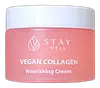
This anti-aging moisturizer is formulated around Bakuchiol and Acetyl Hexapeptide-8 to soften the look of wrinkles.
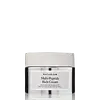
This anti-aging moisturizer is formulated around Palmitoyl Pentapeptide-4 and Copper Tripeptide-1 to soften the look of wrinkles and strengthen the skin barrier.


What's inside
What's inside
 Key Ingredients
Benefits
Concerns
Ingredients Side-by-side
Water
Skin ConditioningGlycerin
Humectant


Caprylic/Capric Triglyceride
Masking
Butylene Glycol
Humectant
1,2-Hexanediol
Skin Conditioning
Cetyl Alcohol
Emollient


Cetearyl Glucoside
Emulsifying
Sodium Acrylate/Sodium Acryloyldimethyl Taurate Copolymer
Emulsion StabilisingSorbitan Olivate
Emulsifying
Polyisobutene
Stearyl Alcohol
Emollient
Cetearyl Alcohol
Emollient


Wheat Amino Acids
Skin ConditioningMyristyl Alcohol
Emollient
Ethylhexylglycerin
Skin ConditioningSorbitan Oleate
Emulsifying
Caprylyl/Capryl Glucoside
CleansingLauryl Alcohol
Emollient
Parfum
Masking


Disodium EDTA
Natto Gum
Bakuchiol
Antimicrobial








Acetyl Hexapeptide-8
Humectant
Oligopeptide-32
Antiseborrhoeic
Oligopeptide-29
Antioxidant
Copper Tripeptide-1
Skin Conditioning
Palmitoyl Pentapeptide-4
Skin Conditioning
Procollagen
Skin Conditioning
Water, Glycerin, Caprylic/Capric Triglyceride, Butylene Glycol, 1,2-Hexanediol, Cetyl Alcohol, Cetearyl Glucoside, Sodium Acrylate/Sodium Acryloyldimethyl Taurate Copolymer, Sorbitan Olivate, Polyisobutene, Stearyl Alcohol, Cetearyl Alcohol, Wheat Amino Acids, Myristyl Alcohol, Ethylhexylglycerin, Sorbitan Oleate, Caprylyl/Capryl Glucoside, Lauryl Alcohol, Parfum, Disodium EDTA, Natto Gum, Bakuchiol, Acetyl Hexapeptide-8, Oligopeptide-32, Oligopeptide-29, Copper Tripeptide-1, Palmitoyl Pentapeptide-4, Procollagen
Water
Skin ConditioningCaprylic/Capric Triglyceride
Masking
Glycerin
Humectant
Octyldodecanol
Emollient
Butylene Glycol
Humectant
Polyglyceryl-3 Polyricinoleate
Emulsifying
Cera Microcristallina
Emulsion StabilisingMagnesium Stearate
Cosmetic ColorantPolyglyceryl-3 Oleate
Emulsifying
Undecane
Emollient1,2-Hexanediol
Skin Conditioning
Polyglyceryl-20 Octadecabehenate/Laurate
EmollientSorbitan Olivate
Emulsifying
Stearalkonium Bentonite
Gel FormingMagnesium Sulfate
Linum Usitatissimum Seed Extract
Perfuming
Sodium Hyaluronate
Humectant
Mannitol
Humectant
Phosphatidylcholine
EmulsifyingPalmitoyl Pentapeptide-4
Skin Conditioning
Copper Tripeptide-1
Skin Conditioning
Ferulic Acid
Antimicrobial
Gold
Cosmetic ColorantTocopherol
Antioxidant
Tridecane
Perfuming
Asiaticoside
Antioxidant
Propylene Carbonate
SolventGlyceryl Caprylate
EmollientCetyl Alcohol
Emollient
Decyl Glucoside
Cleansing
P-Anisic Acid
MaskingXanthan Gum
EmulsifyingTocopheryl Acetate
Antioxidant
Sodium Chloride
MaskingSodium Benzoate
Masking
Potassium Sorbate
Preservative
Phenoxyethanol
Preservative
Water, Caprylic/Capric Triglyceride, Glycerin, Octyldodecanol, Butylene Glycol, Polyglyceryl-3 Polyricinoleate, Cera Microcristallina, Magnesium Stearate, Polyglyceryl-3 Oleate, Undecane, 1,2-Hexanediol, Polyglyceryl-20 Octadecabehenate/Laurate, Sorbitan Olivate, Stearalkonium Bentonite, Magnesium Sulfate, Linum Usitatissimum Seed Extract, Sodium Hyaluronate, Mannitol, Phosphatidylcholine, Palmitoyl Pentapeptide-4, Copper Tripeptide-1, Ferulic Acid, Gold, Tocopherol, Tridecane, Asiaticoside, Propylene Carbonate, Glyceryl Caprylate, Cetyl Alcohol, Decyl Glucoside, P-Anisic Acid, Xanthan Gum, Tocopheryl Acetate, Sodium Chloride, Sodium Benzoate, Potassium Sorbate, Phenoxyethanol
Ingredients Explained
These ingredients are found in both products.
Ingredients higher up in an ingredient list are typically present in a larger amount.
1,2-Hexanediol is a synthetic liquid and another multi-functional powerhouse.
It is a:
- Humectant, drawing moisture into the skin
- Emollient, helping to soften skin
- Solvent, dispersing and stabilizing formulas
- Preservative booster, enhancing the antimicrobial activity of other preservatives
Butylene Glycol (or BG) is used within cosmetic products for a few different reasons:
Overall, Butylene Glycol is a safe and well-rounded ingredient that works well with other ingredients.
Though this ingredient works well with most skin types, some people with sensitive skin may experience a reaction such as allergic rashes, closed comedones, or itchiness.
Learn more about Butylene GlycolCaprylic/Capric Triglyceride (aka MCT Oil) is a lightweight emollient, solvent, and texture enhancer. It is considered a skin-softener by helping to prevent moisture loss.
Though it behaves like an oil, it is not technically one due to its chemical composition. One perk of this ingredient is that it is very stable, resistant to oxidation, and unlikely to go rancid.
In practice, that translates to a long shelf life and a consistently elegant skin feel.
While there is an assumption Caprylic Triglyceride can clog pores due to it being derived from coconut oil, there is no research supporting this. Just patch test if you have concerns.
Fractionated coconut oil and MCT Oil are both listed as Caprylic/Capric Triglyceride according to INCI. This is because INCI names are based on the ingredient’s final chemical composition and not its marketing name or source.
This ingredient is treated as the gold standard fungal acne safe oil. Even though it is coconut derived, the problematic lauric acid is stripped out.
This leaves just caprylic (C8) and capric (C10) acid. These chain lengths actually trend antifungal; a 2020 study found caprylic acid was enough to disrupt Malassezia furfur cell membrane, with a caprylic acid derivative damaging membrane structures at concentrations as low as 0.2%.
Learn more about Caprylic/Capric TriglycerideCetyl Alcohol is a fatty alcohol. Fatty Alcohols are most often used as an emollient or to thicken a product.
Its main roles are:
Though it has "alcohol" in the name, it is not related to denatured alcohol or ethyl alcohol.
The FDA allows products labeled "alcohol-free" to have fatty alcohols.
This ingredient may not be fungal acne safe. It is a primary fatty alcohol with a chain length above 12 carbons. A study from 2019 show Malassezia can feed on fatty alcohols in this range, so it may trigger fungal acne in those prone to it.
Learn more about Cetyl AlcoholCopper Tripeptide-1 (GHK-Cu) is a skin repairing ingredient known for its ability to boost collagen, improve firmness, and support skin regeneration.
It is a complex made up of a naturally occurring peptide (glycine-histidine-lysine) and copper, an essential trace element.
While studying wound healing, researchers noticed GHK-Cu stimulated hair follicle enlargement and growth by keeping hair in its active growth phase longer. This has made it a promising ingredient for hair regrowth treatments.
Some people have reported increased facial hair. While GHK-Cu can make your hair follicles bigger, it usually doesn’t turn soft, barely-visible facial hairs into thick, dark ones.
Anecdotal reports suggest that overusing copper peptides might lead to premature aging due to excess free copper or enzyme imbalances. This claim isn’t backed by large-scale studies.
Unfortunately, there are limited human studies for this ingredient. While early results are promising, many studies are either small, in-vitro, or not rigorously controlled.
For example, there is a 1998 study that explored the effects of copper tripeptide, vitamin C, tretinoin, and melatonin on skin repair and collagen synthesis.
After one month, increased procollagen production was seen in 7 out of 10 participants using copper tripeptide (more than those using vitamin C, melatonin, or tretinoin.
While the study was exploratory, it offers early evidence that copper tripeptide may support collagen production. Larger, well-designed trials are still needed to confirm its potential and understand individual responses.
Read more about other common types of peptides here:
Learn more about Copper Tripeptide-1Glycerin (or glycerol) is a compound naturally found in your skin. It's a powerhouse humectant that pulls water into the stratum corneum.
Topically, glycerin does several things at once:
Your skin makes glycerin on its own (mostly from sebaceous oil breakdown) and shuttles it to your outermost layer of skin, or your epidermis, via aquaporin-3.
Aquaporin-3 is a transporter that is essential for normal skin hydration, elasticity, and repair. Interestingly, mice lacking in AQP3 have dry and less elastic skin that can be fully corrected with glycerin.
This ingredient is non-irritating, plays well with almost every ingredient, and works across all skin types. Typical use is anywhere between 3-10% but can go up to 79% in some leave-on products.
Just know very high concentrations (>40%) can feel tacky in low humidity.
Glycerin is the name for this ingredient in American English. British English uses Glycerol/Glycerine.
Learn more about GlycerinYou might know this ingredient as Matrixyl. It is a synthetic peptide made up of five amino acids attached to a palmitic acid, a fatty acid that helps it absorb into skin more easily.
As a signal peptide, Matrixyl acts like a little messenger. Once it reaches your skin cells, it tells them to ramp up production of collagen, elastin, and other proteins that keep skin looking firm and smooth.
A 12 week clinical study found that a moisturizer containing just 3 ppm of Matrixyl led to a significant improvement in fine-lines and wrinkles. Another study showed an 18% reduction in wrinkle depth, 37% reduction in wrinkle thickness, and a 21% improvement in skin firmness after just 28 days of twice-daily use.
The coolest part is that it works at incredibly low concentrations (like 0.0003%) and it plays well with other actives.
The CIR (Cosmetic Ingredient Review) panel found it to be non-sensitizing across multiple tests and human patch tests also showed no irritation or sensitization.
Fun fact: Matrixyl was originally developed by French company Sederma and Procter & Gamble.
Read more about other common types of peptides here:
Learn more about Palmitoyl Pentapeptide-4Sorbitan Olivate is created from the fatty acids in olive oil and sorbitol.
This ingredient is an oil in water emulsifier. It helps stabilize a product by preventing oils and waters from separating. Sorbitan Olivate also helps hydrate the skin.
This ingredient is also known as part of Olivem 1000, with Cetearyl Olivate being the other part.
According to a manufacturer, this ingredient helps preserve the natural microbiome of skin. Having a healthy microbiome helps keep our skin healthy and protects against harmful bacteria.
Please note, having a healthy microbiome is different from fungal acne; a healthy microbiome includes small amounts of yeast that normally live on your skin without causing problems.
Fungal acne happens when one type of yeast (Malassezia) grows out of control. This is usually because it's feeding on certain oils or fatty acids. Due to the olive oil base, this ingredient may not be fungal acne safe.
Learn more about Sorbitan OlivateWater. It's the most common cosmetic ingredient of all. You'll usually see it at the top of ingredient lists, meaning that it makes up the largest part of the product.
So why is it so popular? Water most often acts as a solvent - this means that it helps dissolve other ingredients into the formulation.
You'll also recognize water as that liquid we all need to stay alive. If you see this, drink a glass of water. Remember to stay hydrated!
Learn more about Water

