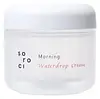
This brightening day moisturizer is formulated around Squalane and Sodium Ascorbyl Phosphate to brighten dull-looking skin and hydrate skin.
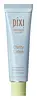
This oil-control day moisturizer is formulated around Salix Alba Bark Extract and Niacinamide to balance excess oil and refine the look of pores.


What's inside
What's inside
 Key Ingredients
Benefits
Concerns
Ingredients Side-by-side
Water
Skin ConditioningButylene Glycol
Humectant

Squalane
Emollient
Helianthus Annuus Seed Oil
Emollient


Sodium Ascorbyl Phosphate
Antioxidant






1,2-Hexanediol
Skin Conditioning
Adenosine
Skin Conditioning
Algae Extract
Emollient

Arbutin
Antioxidant

Aronia Melanocarpa Fruit Extract
Skin ConditioningVaccinium Angustifolium Fruit Extract
Skin Protecting
Lycium Chinense Fruit Extract
Antioxidant
Carbomer
Emulsion StabilisingCera Alba
Emollient
Coix Lacryma-Jobi Ma-Yuen Seed Extract
Skin ConditioningGlycyrrhiza Glabra Root Extract
Bleaching
Lavandula Angustifolia Oil
Masking



Morus Alba Bark Extract
Skin ConditioningPearl Powder
Propolis Extract
Skin Conditioning

Prunus Armeniaca Kernel Extract
Skin ConditioningSodium Hyaluronate
Humectant
Tocopheryl Acetate
Antioxidant
Ulmus Davidiana Root Extract
Skin Conditioning
Xanthan Gum
EmulsifyingSodium Hydroxide
BufferingWater, Butylene Glycol, Squalane, Helianthus Annuus Seed Oil, Sodium Ascorbyl Phosphate, 1,2-Hexanediol, Adenosine, Algae Extract, Arbutin, Aronia Melanocarpa Fruit Extract, Vaccinium Angustifolium Fruit Extract, Lycium Chinense Fruit Extract, Carbomer, Cera Alba, Coix Lacryma-Jobi Ma-Yuen Seed Extract, Glycyrrhiza Glabra Root Extract, Lavandula Angustifolia Oil, Morus Alba Bark Extract, Pearl Powder, Propolis Extract, Prunus Armeniaca Kernel Extract, Sodium Hyaluronate, Tocopheryl Acetate, Ulmus Davidiana Root Extract, Xanthan Gum, Sodium Hydroxide
Water
Skin ConditioningGlycerin
Humectant
Aloe Barbadensis Leaf Water
MaskingPropanediol
Solvent
Salix Alba Bark Extract
Astringent
Niacinamide
Smoothing
Arginine
Masking
Centaurea Cyanus Flower Extract
Astringent
Hyacinthus Orientalis Extract
Skin ConditioningViola Tricolor Extract
EmollientCharcoal Extract
Skin ConditioningCucumis Sativus Fruit Extract
Emollient
Allantoin
Skin Conditioning
Betaine
Humectant
Fructooligosaccharides
Humectant
Sodium Hyaluronate
Humectant
Ceramide NP
Skin Conditioning
Glucose
Humectant
Tocopherol
Antioxidant
Ascorbic Acid
Antioxidant
Charcoal Powder
Abrasive
Carbomer
Emulsion StabilisingDiheptyl Succinate
EmollientPentylene Glycol
Skin Conditioning
Cetearyl Alcohol
Emollient

1,2-Hexanediol
Skin Conditioning
Capryloyl Glycerin/Sebacic Acid Copolymer
Skin ConditioningC14-22 Alcohols
Emulsion Stabilising
Arachidyl Alcohol
Emollient
Silica
Abrasive
Kaolin
Abrasive
Ethylhexylglycerin
Skin ConditioningBehenyl Alcohol
Emollient
C12-20 Alkyl Glucoside
EmulsifyingArachidyl Glucoside
EmulsifyingXylose
HumectantCaprylyl Glycol
Emollient
Phenoxyethanol
Preservative
Water, Glycerin, Aloe Barbadensis Leaf Water, Propanediol, Salix Alba Bark Extract, Niacinamide, Arginine, Centaurea Cyanus Flower Extract, Hyacinthus Orientalis Extract, Viola Tricolor Extract, Charcoal Extract, Cucumis Sativus Fruit Extract, Allantoin, Betaine, Fructooligosaccharides, Sodium Hyaluronate, Ceramide NP, Glucose, Tocopherol, Ascorbic Acid, Charcoal Powder, Carbomer, Diheptyl Succinate, Pentylene Glycol, Cetearyl Alcohol, 1,2-Hexanediol, Capryloyl Glycerin/Sebacic Acid Copolymer, C14-22 Alcohols, Arachidyl Alcohol, Silica, Kaolin, Ethylhexylglycerin, Behenyl Alcohol, C12-20 Alkyl Glucoside, Arachidyl Glucoside, Xylose, Caprylyl Glycol, Phenoxyethanol
Reviews
Alternatives
Ingredients Explained
These ingredients are found in both products.
Ingredients higher up in an ingredient list are typically present in a larger amount.
1,2-Hexanediol is a synthetic liquid and another multi-functional powerhouse.
It is a:
- Humectant, drawing moisture into the skin
- Emollient, helping to soften skin
- Solvent, dispersing and stabilizing formulas
- Preservative booster, enhancing the antimicrobial activity of other preservatives
Carbomer is a synthetic thickening and gelling agent. It's basically the ingredient that gives a lot of serums, gels, creams, and sunscreens their smooth, non-sticky texture.
Although legally permitted at very high levels, carbomers are normally used at concentrations below 1%.
It also needs to be neutralized to actually thicken, and because it is a large molecule, it doesn't really penetrate the skin barrier.
Allergy-wise, the risk is very low. Clinical studies show carbomers have low potential for skin irritation/sensitization even at concentrations up to 100%.
A 2024 UK study patch-tested 1,302 patients and found true allergy to the parent group of carbomer to be rare with no confirmed relevant reactions.
Learn more about CarbomerSodium Hyaluronate is the salt form of hyaluronic acid. It is a long sugar chain that is naturally found in your skin, joints, and connective tissue that maintains hydration and elasticity.
In skincare, it works as a humectant. It pulls water from the environment and deeper layers of skin and binds it to the surface.
Interestingly, the size of the molecule affects its behavior:
Some clinical evidence links low molecular weight versions to improved wrinkle depth, elasticity, anti-inflammatory effects, and barrier repair.
Many serums use a blend of both weights so you can get surface hydration plus longer-lasting and deeper effects.
You'll typically see concentrations between 0.1-2% for this ingredient.
Learn more about Sodium HyaluronateWater. It's the most common cosmetic ingredient of all. You'll usually see it at the top of ingredient lists, meaning that it makes up the largest part of the product.
So why is it so popular? Water most often acts as a solvent - this means that it helps dissolve other ingredients into the formulation.
You'll also recognize water as that liquid we all need to stay alive. If you see this, drink a glass of water. Remember to stay hydrated!
Learn more about Water

