Skinfood Royal Honey Propolis Enrich Essence Versus Skinfood Royal Honey Propolis Enrich Barrier Cream
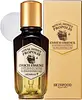
This hydrating essence is formulated around Propolis Extract and Royal Jelly Extract to hydrate skin and calm redness.
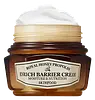
This barrier-repair moisturizer is formulated around Propolis Extract and Panthenol to strengthen the skin barrier and hydrate skin.

What's inside
What's inside
 Key Ingredients
Benefits
Concerns
Ingredients Side-by-side
Water
Skin ConditioningGlycerin
Humectant


Butylene Glycol
Humectant
Dipropylene Glycol
Humectant
1,2-Hexanediol
Skin Conditioning
Portulaca Oleracea Extract
Skin Conditioning

Propolis Extract
Skin Conditioning


Carbomer
Emulsion StabilisingArginine
Masking
Royal Jelly Extract
Skin Conditioning
Lactobacillus Ferment
Skin Conditioning
Saccharomyces Ferment Filtrate
Humectant

Honey Extract
Humectant
Pentylene Glycol
Skin Conditioning
Sodium Hyaluronate
Humectant

Hydroxyethylcellulose
Emulsion StabilisingDisodium EDTA
Ethylhexylglycerin
Skin Conditioning
Beta-Glucan
Skin Conditioning
Caprylyl Glycol
Emollient
Water, Glycerin, Butylene Glycol, Dipropylene Glycol, 1,2-Hexanediol, Portulaca Oleracea Extract, Propolis Extract, Carbomer, Arginine, Royal Jelly Extract, Lactobacillus Ferment, Saccharomyces Ferment Filtrate, Honey Extract, Pentylene Glycol, Sodium Hyaluronate, Hydroxyethylcellulose, Disodium EDTA, Ethylhexylglycerin, Beta-Glucan, Caprylyl Glycol
Propolis Extract
Skin Conditioning
Water
Skin ConditioningHydrogenated Olive Oil Lauryl Esters
Emulsion Stabilising
Honey Extract
Humectant
Royal Jelly Extract
Skin Conditioning
Caprylic/Capric Triglyceride
Masking
Cetearyl Alcohol
Emollient

Butyrospermum Parkii Butter
Skin Conditioning
Polyglyceryl-3 Methylglucose Distearate
Emulsifying
Cyclohexasiloxane
Emollient
Glycerin
Humectant
Cetearyl Glucoside
Emulsifying
Glyceryl Stearate Se
Emulsifying
Palmitic Acid
Emollient
Ammonium Acryloyldimethyltaurate/Vp Copolymer
Panthenol
Skin Conditioning
Stearic Acid
Cleansing
Ethylhexylglycerin
Skin Conditioning
Cetearyl Olivate
Diphenylsiloxy Phenyl Trimethicone
Skin Conditioning
Hydrogenated Lecithin
Emulsifying
C12-16 Alcohols
EmollientSorbitan Olivate
Emulsifying
1,2-Hexanediol
Skin Conditioning
Ceramide NP
Skin Conditioning
Lactobacillus Ferment
Skin Conditioning
Saccharomyces Ferment
Skin Conditioning
Dimethicone/Vinyl Dimethicone Crosspolymer
Skin Conditioning
Phytosteryl/Octyldodecyl Lauroyl Glutamate
Skin ConditioningCetyl Alcohol
Emollient
Stearyl Alcohol
Emollient
Butylene Glycol
Humectant
Citrus Tangerina Peel Oil
Masking
Sodium Phytate
Citrus Aurantium Bergamia Fruit Oil
Masking

Pelargonium Graveolens Flower Oil
Masking
Boswellia Carterii Oil
Masking
Octyldodecanol
Emollient
Lavandula Angustifolia Oil
Masking
Citrus Limon Peel Oil
Masking
Xanthan Gum
EmulsifyingGlyceryl Citrate/Lactate/Linoleate/Oleate
Emulsifying
Rosmarinus Officinalis Leaf Oil
Masking
Hydroxyethyl Acrylate/Sodium Acryloyldimethyl Taurate Copolymer
Emulsion StabilisingGlyceryl Oleate
Emollient
Eucalyptus Globulus Leaf Oil
Perfuming
Cananga Odorata Flower Oil
Masking
Cinnamomum Zeylanicum Bark Oil
Masking
Glucose
Humectant
Glycolipids
Skin ConditioningGlycosphingolipids
EmollientTocopherol
Antioxidant



Propolis Extract, Water, Hydrogenated Olive Oil Lauryl Esters, Honey Extract, Royal Jelly Extract, Caprylic/Capric Triglyceride, Cetearyl Alcohol, Butyrospermum Parkii Butter, Polyglyceryl-3 Methylglucose Distearate, Cyclohexasiloxane, Glycerin, Cetearyl Glucoside, Glyceryl Stearate Se, Palmitic Acid, Ammonium Acryloyldimethyltaurate/Vp Copolymer, Panthenol, Stearic Acid, Ethylhexylglycerin, Cetearyl Olivate, Diphenylsiloxy Phenyl Trimethicone, Hydrogenated Lecithin, C12-16 Alcohols, Sorbitan Olivate, 1,2-Hexanediol, Ceramide NP, Lactobacillus Ferment, Saccharomyces Ferment, Dimethicone/Vinyl Dimethicone Crosspolymer, Phytosteryl/Octyldodecyl Lauroyl Glutamate, Cetyl Alcohol, Stearyl Alcohol, Butylene Glycol, Citrus Tangerina Peel Oil, Sodium Phytate, Citrus Aurantium Bergamia Fruit Oil, Pelargonium Graveolens Flower Oil, Boswellia Carterii Oil, Octyldodecanol, Lavandula Angustifolia Oil, Citrus Limon Peel Oil, Xanthan Gum, Glyceryl Citrate/Lactate/Linoleate/Oleate, Rosmarinus Officinalis Leaf Oil, Hydroxyethyl Acrylate/Sodium Acryloyldimethyl Taurate Copolymer, Glyceryl Oleate, Eucalyptus Globulus Leaf Oil, Cananga Odorata Flower Oil, Cinnamomum Zeylanicum Bark Oil, Glucose, Glycolipids, Glycosphingolipids, Tocopherol
Reviews
Ingredients Explained
These ingredients are found in both products.
Ingredients higher up in an ingredient list are typically present in a larger amount.
1,2-Hexanediol is a synthetic liquid and another multi-functional powerhouse.
It is a:
- Humectant, drawing moisture into the skin
- Emollient, helping to soften skin
- Solvent, dispersing and stabilizing formulas
- Preservative booster, enhancing the antimicrobial activity of other preservatives
Butylene Glycol (or BG) is used within cosmetic products for a few different reasons:
Overall, Butylene Glycol is a safe and well-rounded ingredient that works well with other ingredients.
Though this ingredient works well with most skin types, some people with sensitive skin may experience a reaction such as allergic rashes, closed comedones, or itchiness.
Learn more about Butylene GlycolEthylhexylglycerin is created from glycerin. It is a multitasker ingredient that:
The CIR Expert Panel found minimal skin absorption or sensitization of any kind in a safety assessment. Though this ingredient is considered well-tolerated, a small number of cases of allergic dermatitis have been published since 2002. Just be sure to patch test if you are unsure.
Industry-reported use ranges from 8% in rinse-off products and 2% in leave-on formulations.
Learn more about EthylhexylglycerinGlycerin (or glycerol) is a compound naturally found in your skin. It's a powerhouse humectant that pulls water into the stratum corneum.
Topically, glycerin does several things at once:
Your skin makes glycerin on its own (mostly from sebaceous oil breakdown) and shuttles it to your outermost layer of skin, or your epidermis, via aquaporin-3.
Aquaporin-3 is a transporter that is essential for normal skin hydration, elasticity, and repair. Interestingly, mice lacking in AQP3 have dry and less elastic skin that can be fully corrected with glycerin.
This ingredient is non-irritating, plays well with almost every ingredient, and works across all skin types. Typical use is anywhere between 3-10% but can go up to 79% in some leave-on products.
Just know very high concentrations (>40%) can feel tacky in low humidity.
Glycerin is the name for this ingredient in American English. British English uses Glycerol/Glycerine.
Learn more about GlycerinThis ingredient comes from honey made by bees. It is hydrating, antibacterial, anti-aging, and skin soothing.
Honey also contains amino acids, peptides, Vitamins A, C, and E.
The humectant property of honey draws moisture from the air to your skin. This makes it great at helping to hydrate the skin.
Honey may help reduce the signs of aging due to its antioxidant properties. Fun fact: darker honey has more antioxidants than light honey. The antibacterial property of honey may make it effective at helping to treat acne by killing acne-causing bacteria.
Many people wonder if honey extract is vegan. It is technically a byproduct from bees. This is because honey is created from the digestive enzymes in a bee's stomach.
Remember to be kind to bees :) They are important for many ecosystems and are endangered.
Learn more about Honey ExtractThis ingredient is made when the Lactobacillus bacteria (the same kind that makes yogurt and kimchi) are allowed to ferment a nutrient medium.
As it ferments, it collects lactic acid, peptides, enzymes, and other bioactive metabolites to provide:
A 2023 review noted that probiotic fermentation ingredients like this one can enhance antioxidant capacity, reduce UV-induced oxidative damage, and support barrier function.
One clinical study from the same year showed a Lactobacillus ferment lysate significantly reduced transepidermal water loss and improved skin hydration.
Another review highlighted that topical Lactobacillus-based preparations can improve ceramide levels in the stratum corneum, support barrier integrity, and even help reduce S. aureus colonization in atopic dermatitis.
Why is this so cool?
Basically, your skin's outer layer works as a brick wall; skin cells are bricks and ceramides are the mortar holding it together. Moisture escapes, irritants get in, and your skin gets dry and reactive when ceramide levels drop. On top of that, "bad" skin bacteria S. aureus loves to move in when your barrier is weak to make inflammation and irritation worse.
So Lactobacillus ferment is basically patching the wall and evicting the troublemaker when it boosts ceramide production and help keep S. aureus in check.
On top of all this, it also acts as a mild antimicrobial preservative booster.
Just so you know, most studies focus on specific strains or the lysate form rather than this generic "Lactobacillus Ferment", so results can vary.
Though it's a promising ingredient, it doesn't have decades of robust clinical data behind it just yet.
Lactobacillus Ferment is generally considered safe for fungal-acne prone skin. The key thing to understand is that it comes from bacteria, not yeast or fungus.
Yeast-derived ferments (like galactomyces) have been shown to activate a protein that's linked to Malassezia-related skin issues whereas lactobacillus doesn't have that problem.
Its byproducts also don't contain the types of fatty acids (C11-24 chain lengths) that Malassezia feeds on.
Learn more about Lactobacillus FermentPropolis Extract is a natural ingredient derived from propolis (also known as bee glue). Bees make propolis by mixing their saliva and beeswax with resins collected from tree buds and plants.
This ingredient is packed with bioactive compounds like flavonoids, phenolic acids, and amino acids that give it antioxidant and anti-inflammatory properties.
Research shows it can help:
It also pairs nicely with hydrating ingredients like niacinamide and ceramides.
Just so you know, Propolis Extract is recognized as a contact allergen. In patch tests done in the EU, roughly 1-6% of patients react to it. Be sure to steer clear of this ingredient if you have a known allergy to bee products.
Since it is an animal-derived product, this ingredient is not considered vegan. For vegan alternatives, check out Galactomyces Ferment Filtrate or Centella Asiatica Extract.
Learn more about Propolis ExtractRoyal Jelly Extract comes from a secretion made by worker honeybees. This secretion is white and described as creamy.
This compound has antibacterial, anti-aging, and anti-inflammatory properties.
Studies show Royal Jelly to contain amino acids, fatty acids, and a variety of vitamins, including Vitamin Bs. Many of these components are antioxidants, which help with anti-aging. The fatty acids in Royal Jelly make it a hydrating ingredient.
Several animal studies show Royal Jelly to boost collagen production and reduce inflammation.
The Vitamin Bs found in Royal Jelly include:
Royal Jelly is derived from honeybees. This means it is not vegan.
Learn more about Royal Jelly ExtractWater. It's the most common cosmetic ingredient of all. You'll usually see it at the top of ingredient lists, meaning that it makes up the largest part of the product.
So why is it so popular? Water most often acts as a solvent - this means that it helps dissolve other ingredients into the formulation.
You'll also recognize water as that liquid we all need to stay alive. If you see this, drink a glass of water. Remember to stay hydrated!
Learn more about Water

