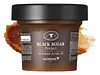
This exfoliator is formulated around Sucrose to hydrate.
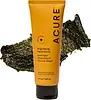
This smoothing exfoliator is formulated around Gluconolactone to refine skin texture and brighten dull-looking skin.


What's inside
What's inside
 Key Ingredients
Benefits
Concerns
Ingredients Side-by-side
Sucrose
Humectant
Glycerin
Humectant

PEG-7 Glyceryl Cocoate
Emulsifying




Macadamia Ternifolia Seed Oil
Emollient
Euphorbia Cerifera Wax
Caprylic/Capric Triglyceride
Masking
Cetyl Ethylhexanoate
EmollientLanolin
Emollient


Stearalkonium Hectorite
Gel FormingLimnanthes Alba Seed Oil
Skin Conditioning
Butyrospermum Parkii Butter
Skin Conditioning
Water
Skin ConditioningSorbitan Laurate
Emulsifying
Caramel
Cosmetic ColorantEthylhexylglycerin
Skin ConditioningButylene Glycol
Humectant
Oenothera Biennis Oil
Emollient

Olea Europaea Fruit Oil
Masking
Camellia Oleifera Seed Oil
Skin Conditioning
Simmondsia Chinensis Seed Oil
Emollient
Saccharum Officinarum Extract
MoisturisingRice Ferment Filtrate
Skin Conditioning

Citrus Limon Fruit Extract
Masking
Pyrus Malus Fruit Extract
Skin Conditioning
Citrus Aurantium Dulcis Fruit Extract
MaskingCarica Papaya Fruit Extract
Skin ConditioningLepidium Meyenii Root Extract
Skin ConditioningSarcodon Aspratus Extract
Antioxidant
1,2-Hexanediol
Skin Conditioning
Phenoxyethanol
Preservative
Parfum
Masking
Sucrose, Glycerin, PEG-7 Glyceryl Cocoate, Macadamia Ternifolia Seed Oil, Euphorbia Cerifera Wax, Caprylic/Capric Triglyceride, Cetyl Ethylhexanoate, Lanolin, Stearalkonium Hectorite, Limnanthes Alba Seed Oil, Butyrospermum Parkii Butter, Water, Sorbitan Laurate, Caramel, Ethylhexylglycerin, Butylene Glycol, Oenothera Biennis Oil, Olea Europaea Fruit Oil, Camellia Oleifera Seed Oil, Simmondsia Chinensis Seed Oil, Saccharum Officinarum Extract, Rice Ferment Filtrate, Citrus Limon Fruit Extract, Pyrus Malus Fruit Extract, Citrus Aurantium Dulcis Fruit Extract, Carica Papaya Fruit Extract, Lepidium Meyenii Root Extract, Sarcodon Aspratus Extract, 1,2-Hexanediol, Phenoxyethanol, Parfum
Water
Skin ConditioningGlycerin
Humectant
Juglans Regia Shell Powder
Abrasive
Citrus Limon Peel
MaskingAloe Barbadensis Leaf Juice
Skin Conditioning
Sodium Methyl Cocoyl Taurate
Cleansing
Laminaria Digitata Extract
Skin Protecting
Montmorillonite
AbsorbentRubus Fruticosus Fruit Extract
AstringentChamomilla Recutita Flower Extract
Masking
Euterpe Oleracea Fruit Extract
Rosa Canina Fruit Extract
Astringent
Calendula Officinalis Flower Extract
Masking
Aspalathus Linearis Leaf Extract
Skin ConditioningPunica Granatum Extract
AstringentOlea Europaea Fruit Oil
Masking
Argania Spinosa Callus Culture Extract
Skin ConditioningMentha Viridis Leaf Oil
Astringent
Salvia Officinalis Oil
Masking
Cymbopogon Flexuosus Leaf Oil
Masking
Lavandula Hybrida Oil
Emollient
Sodium PCA
Humectant
Kaolin
Abrasive


Lecithin
Emollient
Isomalt
HumectantCellulose Gum
Emulsion StabilisingCarrageenan
Glyceryl Laurate
Emollient
Sodium Lauroyl Lactylate
EmulsifyingSodium Lauroamphoacetate
CleansingSodium Cocoyl Isethionate
Cleansing
Illite
Abrasive
Gluconolactone
Skin Conditioning


Ethylhexylglycerin
Skin ConditioningPotassium Sorbate
Preservative
Phenethyl Alcohol
MaskingChlorophyllin-Copper Complex
Antioxidant
Water, Glycerin, Juglans Regia Shell Powder, Citrus Limon Peel, Aloe Barbadensis Leaf Juice, Sodium Methyl Cocoyl Taurate, Laminaria Digitata Extract, Montmorillonite, Rubus Fruticosus Fruit Extract, Chamomilla Recutita Flower Extract, Euterpe Oleracea Fruit Extract, Rosa Canina Fruit Extract, Calendula Officinalis Flower Extract, Aspalathus Linearis Leaf Extract, Punica Granatum Extract, Olea Europaea Fruit Oil, Argania Spinosa Callus Culture Extract, Mentha Viridis Leaf Oil, Salvia Officinalis Oil, Cymbopogon Flexuosus Leaf Oil, Lavandula Hybrida Oil, Sodium PCA, Kaolin, Lecithin, Isomalt, Cellulose Gum, Carrageenan, Glyceryl Laurate, Sodium Lauroyl Lactylate, Sodium Lauroamphoacetate, Sodium Cocoyl Isethionate, Illite, Gluconolactone, Ethylhexylglycerin, Potassium Sorbate, Phenethyl Alcohol, Chlorophyllin-Copper Complex
Reviews
Alternatives
Ingredients Explained
These ingredients are found in both products.
Ingredients higher up in an ingredient list are typically present in a larger amount.
Ethylhexylglycerin is created from glycerin. It is a multitasker ingredient that:
The CIR Expert Panel found minimal skin absorption or sensitization of any kind in a safety assessment. Though this ingredient is considered well-tolerated, a small number of cases of allergic dermatitis have been published since 2002. Just be sure to patch test if you are unsure.
Industry-reported use ranges from 8% in rinse-off products and 2% in leave-on formulations.
Learn more about EthylhexylglycerinGlycerin (or glycerol) is a compound naturally found in your skin. It's a powerhouse humectant that pulls water into the stratum corneum.
Topically, glycerin does several things at once:
Your skin makes glycerin on its own (mostly from sebaceous oil breakdown) and shuttles it to your outermost layer of skin, or your epidermis, via aquaporin-3.
Aquaporin-3 is a transporter that is essential for normal skin hydration, elasticity, and repair. Interestingly, mice lacking in AQP3 have dry and less elastic skin that can be fully corrected with glycerin.
This ingredient is non-irritating, plays well with almost every ingredient, and works across all skin types. Typical use is anywhere between 3-10% but can go up to 79% in some leave-on products.
Just know very high concentrations (>40%) can feel tacky in low humidity.
Glycerin is the name for this ingredient in American English. British English uses Glycerol/Glycerine.
Learn more about GlycerinThis ingredient is also known as olive oil. It has been used in skincare for centuries and science largely backs up its reputation as a nourishing emollient.
The main components of olive oil are oleic acid (55-83%), linoleic acid (3.5-20%), and palmitic acid (7-20%). Oleic acid promotes skin regeneration and helps regulate inflammatory responses.
Squalene is also naturally present in olive oil and exhibits moisturizing and antioxidant properties.
The polyphenols in olive oil also show anti-aging promise; one clinical study found a measurable improvement in skin appearance after 30 days of topical serum use.
Just be aware that applying olive oil directly to skin can weaken the barrier and cause redness. One study with volunteers found even people without sensitive skin experienced a significant reduction in stratum corneum integrity and induced mild erythema.
It's best to use this ingredient as part of a carefully crafted formula (instead of putting it on skin directly from the bottle).
Because it has a 2-3 on the comedogenic scale, it is a moderate risk for acne-prone skin. However, the overall formulation of a product matters more than a few ingredients with comedogenic ratings.
This ingredient may not be fungal acne safe because of the oleic and palmitic acid content. These fall within the C11-24 fatty acid range that the Malassezia yeast can metabolize to grow.
Overall, olive oil is a well-studied and nourishing skincare ingredient.
Learn more about Olea Europaea Fruit OilWater. It's the most common cosmetic ingredient of all. You'll usually see it at the top of ingredient lists, meaning that it makes up the largest part of the product.
So why is it so popular? Water most often acts as a solvent - this means that it helps dissolve other ingredients into the formulation.
You'll also recognize water as that liquid we all need to stay alive. If you see this, drink a glass of water. Remember to stay hydrated!
Learn more about Water

