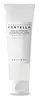
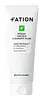
SKIN1004 Madagascar Centella Tone Brightening Cleansing Gel Foam Versus Fation Nosca9 Trouble Cleansing Foam
This salicylic acid foaming cleanser is formulated around Salicylic Acid to clear breakouts and unclog pores.

What's inside
What's inside
 Key Ingredients
Benefits
Concerns
Ingredients Side-by-side
Centella Asiatica Extract 41%
Cleansing





Water
Skin ConditioningLauryl Hydroxysultaine
CleansingGlycerin
Humectant
Disodium Cocoamphodiacetate
CleansingPotassium Cocoyl Glycinate
Surfactant
Sodium Chloride
MaskingPotassium Cocoate
Emulsifying

Sodium Lauroyl Glutamate
SurfactantVitis Vinifera Fruit Extract
Skin ConditioningPyrus Malus Fruit Extract
Skin Conditioning
Carica Papaya Fruit Extract
Skin ConditioningPrunus Mume Fruit Extract
Humectant
Madecassoside
Antioxidant
1,2-Hexanediol
Skin Conditioning
Xylitylglucoside
Humectant
Anhydroxylitol
Humectant
Xylitol
Humectant
Niacinamide
Smoothing




Acrylates/C10-30 Alkyl Acrylate Crosspolymer
Emulsion Stabilising3-O-Ethyl Ascorbic Acid
Skin Conditioning
Trehalose
Humectant
Butylene Glycol
Humectant
Panthenol
Skin Conditioning
Agave Tequilana Leaf Extract
AstringentGlucose
Humectant
Caprylic/Capric Triglyceride
Masking
Hexylene Glycol
EmulsifyingPentylene Glycol
Skin Conditioning
Citric Acid
Buffering

Potassium Benzoate
Preservative
Ethylhexylglycerin
Skin ConditioningDisodium EDTA
Centella Asiatica Extract 41%, Water, Lauryl Hydroxysultaine, Glycerin, Disodium Cocoamphodiacetate, Potassium Cocoyl Glycinate, Sodium Chloride, Potassium Cocoate, Sodium Lauroyl Glutamate, Vitis Vinifera Fruit Extract, Pyrus Malus Fruit Extract, Carica Papaya Fruit Extract, Prunus Mume Fruit Extract, Madecassoside, 1,2-Hexanediol, Xylitylglucoside, Anhydroxylitol, Xylitol, Niacinamide, Acrylates/C10-30 Alkyl Acrylate Crosspolymer, 3-O-Ethyl Ascorbic Acid, Trehalose, Butylene Glycol, Panthenol, Agave Tequilana Leaf Extract, Glucose, Caprylic/Capric Triglyceride, Hexylene Glycol, Pentylene Glycol, Citric Acid, Potassium Benzoate, Ethylhexylglycerin, Disodium EDTA
Water
Skin ConditioningGlycerin
Humectant
Potassium Myristate
EmulsifyingStearic Acid
Cleansing

Potassium Stearate
CleansingGlyceryl Stearate
Emollient
Myristic Acid
Cleansing
Propanediol
Solvent
Palmitic Acid
Emollient
Potassium Palmitate
EmulsifyingCoco-Betaine
Cleansing
Potassium Cocoyl Glycinate
Surfactant
Hydroxypropyl Starch Phosphate
Butylene Glycol
Humectant
Salicylic Acid
Masking

Sorbitol
Humectant
Potassium Benzoate
Preservative
Carthamus Tinctorius Flower Extract
Skin ConditioningDisodium EDTA
Carica Papaya Fruit Extract
Skin ConditioningDextrin
AbsorbentGardenia Florida Fruit Extract
Skin ConditioningPyrus Malus Fruit Extract
Skin Conditioning
Prunus Mume Fruit Extract
Humectant
Vitis Vinifera Fruit Extract
Skin ConditioningCalophyllum Inophyllum Seed Oil
Antimicrobial
Panthenol
Skin Conditioning
1,2-Hexanediol
Skin Conditioning
Dipropylene Glycol
HumectantAllantoin
Skin Conditioning
Hydroxyacetophenone
Antioxidant
Hyaluronic Acid
Humectant
Polyglyceryl-10 Laurate
Skin Conditioning
Sodium Heparin
Skin ConditioningArtemisia Princeps Leaf Extract
Skin ConditioningWater, Glycerin, Potassium Myristate, Stearic Acid, Potassium Stearate, Glyceryl Stearate, Myristic Acid, Propanediol, Palmitic Acid, Potassium Palmitate, Coco-Betaine, Potassium Cocoyl Glycinate, Hydroxypropyl Starch Phosphate, Butylene Glycol, Salicylic Acid, Sorbitol, Potassium Benzoate, Carthamus Tinctorius Flower Extract, Disodium EDTA, Carica Papaya Fruit Extract, Dextrin, Gardenia Florida Fruit Extract, Pyrus Malus Fruit Extract, Prunus Mume Fruit Extract, Vitis Vinifera Fruit Extract, Calophyllum Inophyllum Seed Oil, Panthenol, 1,2-Hexanediol, Dipropylene Glycol, Allantoin, Hydroxyacetophenone, Hyaluronic Acid, Polyglyceryl-10 Laurate, Sodium Heparin, Artemisia Princeps Leaf Extract
Reviews
Ingredients Explained
These ingredients are found in both products.
Ingredients higher up in an ingredient list are typically present in a larger amount.
1,2-Hexanediol is a synthetic liquid and another multi-functional powerhouse.
It is a:
- Humectant, drawing moisture into the skin
- Emollient, helping to soften skin
- Solvent, dispersing and stabilizing formulas
- Preservative booster, enhancing the antimicrobial activity of other preservatives
Butylene Glycol (or BG) is used within cosmetic products for a few different reasons:
Overall, Butylene Glycol is a safe and well-rounded ingredient that works well with other ingredients.
Though this ingredient works well with most skin types, some people with sensitive skin may experience a reaction such as allergic rashes, closed comedones, or itchiness.
Learn more about Butylene GlycolCarica Papaya Fruit Extract comes from the flesh of the papaya. It's a skin conditioning agent that carries a mix of bioactives like papain, beta-carotene, and vitamin C.
These bioactive compounds give it two main talking points:
1. Papain is a proteolytic enzyme that provides mild exfoliation, helping skin look smoother and more even.
2. The carotenoids and vitamin C provide some antioxidant activity.
It's pretty compatible with most ingredients, but just sure to space out enzyme products with strong acids/retinoids to avoid over-doing it.
Maximum reported concentration is around 0.1% and most leave-on products use just 0.05%. If you see higher figures like 5-10%, this is usually the pre-diluted material from raw extract suppliers.
This ingredient has an assuring safety record and there's a lack of clinical case reports of dermatitis from using it.
The only caveat is allergy: patch test if you have a papaya or latex-fruit allergy.
Learn more about Carica Papaya Fruit ExtractDisodium EDTA is a chelating agent. It grabs onto and deactivates metal ions that sneak into your products from water, packaging, or air.
This ingredient mainly works behind the scenes and helps with:
On top of that, this ingredient can counteract the effects of hard water by binding to the minerals in it.
One thing worth knowing is that Disodium EDTA has been shown to be a mild penetration enhancer. It can help other ingredients absorb into skin more effectively which can be a double-edged sword (great for actives, but can also make the active too strong if you have sensitive skin).
Clinical patch testing showed no significant skin irritation at typical use concentrations and minimal dermal absorption.
You'll most likely see this ingredient near the end of an ingredient list. It's typically found in concentrations less than 1%.
Learn more about Disodium EDTAGlycerin (or glycerol) is a compound naturally found in your skin. It's a powerhouse humectant that pulls water into the stratum corneum.
Topically, glycerin does several things at once:
Your skin makes glycerin on its own (mostly from sebaceous oil breakdown) and shuttles it to your outermost layer of skin, or your epidermis, via aquaporin-3.
Aquaporin-3 is a transporter that is essential for normal skin hydration, elasticity, and repair. Interestingly, mice lacking in AQP3 have dry and less elastic skin that can be fully corrected with glycerin.
This ingredient is non-irritating, plays well with almost every ingredient, and works across all skin types. Typical use is anywhere between 3-10% but can go up to 79% in some leave-on products.
Just know very high concentrations (>40%) can feel tacky in low humidity.
Glycerin is the name for this ingredient in American English. British English uses Glycerol/Glycerine.
Learn more about GlycerinPanthenol is a common ingredient that helps hydrate and soothe the skin. It is found naturally in our skin and hair.
There are two forms of panthenol: D and L.
D-panthenol is also known as dexpanthenol. Most cosmetics use dexpanthenol or a mixture of D and L-panthenol.
Panthenol is famous due to its ability to go deeper into the skin's layers. Using this ingredient has numerous pros (and no cons):
Like hyaluronic acid, panthenol is a humectant. Humectants are able to bind and hold large amounts of water to keep skin hydrated.
This ingredient works well for wound healing. It works by increasing tissue in the wound and helps close open wounds.
Once oxidized, panthenol converts to pantothenic acid. Panthothenic acid is found in all living cells.
This ingredient is also referred to as pro-vitamin B5.
Learn more about PanthenolThis ingredient is a preservative and inhibits the growth of fungi, certain bacteria, yeast, and mold.
It is the potassium salt of benzoic acid.
Potassium benzoate works best in products with a low pH level (below 4.5).
Learn more about Potassium BenzoatePotassium Cocoyl Glycinate is an amino acid-based surfactant and cleaning agent. This ingredient can be derived from animals or plants. It may also be synthetically created from fatty acids of the coconut and glycine.
Potassium Cocoyl Glycinate is a gentle surfactant. Surfactants help gather the dirt, oil, and other pollutants from your skin to be rinsed away. It is a mild cleanser and naturally produces foam.
Prunus Mume extract comes from the Asian plum. This plum is AKA 'plum blossom'. Plum blossom has hydrating and antibacterial properties.
Plum Blossoms are rich in nutrients, including Vitamin A, Vitamin B, and Vitamin C.
A study from 2021 found this ingredient to inhibit melanin production. An animal study found plum blossom to help increase collagen production.
Learn more about Prunus Mume Fruit ExtractPyrus Malus Fruit Extract is extract from Apples. Apples are rich in Vitamin C, sugars, and antioxidants.
The sugar in Apples are humectants and help hydrate the skin. On top of that, apples also contain some acids, such as malic acid. These acids may have a mild exfoliating effect.
Last, the phytochemicals found in apples are strong antioxidants. These antioxidants help with anti-aging as they protect your skin cells against oxidative damage.
Learn more about Pyrus Malus Fruit ExtractVitis Vinifera Fruit Extract comes from grapes.
Grape extract has many skin benefits. It also contains many potent antioxidants such as Vitamin E , Vitamin C, proanthocyanidins, polyphenols, flavonoids, and anthocyanins. Antioxidants help protect skin. Proanthocyanidin have also been shown to help even out skin tone.
Grape extract also helps soothe and hydrate your skin.
Learn more about Vitis Vinifera Fruit ExtractWater. It's the most common cosmetic ingredient of all. You'll usually see it at the top of ingredient lists, meaning that it makes up the largest part of the product.
So why is it so popular? Water most often acts as a solvent - this means that it helps dissolve other ingredients into the formulation.
You'll also recognize water as that liquid we all need to stay alive. If you see this, drink a glass of water. Remember to stay hydrated!
Learn more about Water

