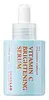
This brightening serum is formulated around Niacinamide and 3-O-Ethyl Ascorbic Acid to brighten dull-looking skin and fade the look of dark spots.
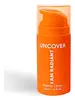
This brightening serum is formulated around 3-O-Ethyl Ascorbic Acid and Arbutin to brighten dull-looking skin and fade the look of dark spots.


What's inside
What's inside
 Key Ingredients
Benefits
Concerns
Ingredients Side-by-side
Water
Skin ConditioningMethylpropanediol
SolventPropanediol
Solvent

Glycerin
Humectant
1,2-Hexanediol
Skin Conditioning
Niacinamide
Smoothing









Betaine
Humectant
3-O-Ethyl Ascorbic Acid
Skin Conditioning
Tocopheryl Acetate
Antioxidant

Panthenol
Skin Conditioning
Bifida Ferment Lysate
Skin Conditioning
Chlorella Vulgaris Extract
Skin ConditioningSodium Hyaluronate
Humectant
Melia Azadirachta Flower Extract
Skin ConditioningMelia Azadirachta Leaf Extract
Skin ConditioningHydrolyzed Hyaluronic Acid
Humectant
Curcuma Longa Root Extract
Antioxidant
Ocimum Sanctum Leaf Extract
Skin ConditioningCorallina Officinalis Extract
Skin Conditioning
Hyaluronic Acid
Humectant
Hydrolyzed Collagen
Emollient
Sodium Hyaluronate Crosspolymer
Humectant
Hydroxyethyl Urea
Humectant
Glucose
Humectant
Hydrolyzed Glycosaminoglycans
HumectantTrehalose
Humectant
Butylene Glycol
Humectant
Fructooligosaccharides
Humectant
Fructose
Humectant
Tromethamine
BufferingBenzyl Glycol
SolventAdenosine
Skin Conditioning
Sodium Citrate
BufferingSodium Phytate
Citric Acid
Buffering

Ethylhexylglycerin
Skin ConditioningPolysorbate 20
Emulsifying
Palmitoyl Tripeptide-1
Skin Conditioning
Palmitoyl Tetrapeptide-7
Skin Conditioning
Ascorbic Acid
Antioxidant
Biotin
AntiseborrhoeicCyanocobalamin
Skin ConditioningFolic Acid
Skin ConditioningPantothenic Acid
Skin ConditioningPyridoxine
Skin ConditioningRiboflavin
Cosmetic ColorantThiamine Hcl
MaskingBioflavonoids
Skin ConditioningGlutathione
Linoleic Acid
Cleansing
Menadione
MaskingRetinol
Skin Conditioning

Tocopherol
Antioxidant
Carbomer
Emulsion StabilisingXanthan Gum
EmulsifyingWater, Methylpropanediol, Propanediol, Glycerin, 1,2-Hexanediol, Niacinamide, Betaine, 3-O-Ethyl Ascorbic Acid, Tocopheryl Acetate, Panthenol, Bifida Ferment Lysate, Chlorella Vulgaris Extract, Sodium Hyaluronate, Melia Azadirachta Flower Extract, Melia Azadirachta Leaf Extract, Hydrolyzed Hyaluronic Acid, Curcuma Longa Root Extract, Ocimum Sanctum Leaf Extract, Corallina Officinalis Extract, Hyaluronic Acid, Hydrolyzed Collagen, Sodium Hyaluronate Crosspolymer, Hydroxyethyl Urea, Glucose, Hydrolyzed Glycosaminoglycans, Trehalose, Butylene Glycol, Fructooligosaccharides, Fructose, Tromethamine, Benzyl Glycol, Adenosine, Sodium Citrate, Sodium Phytate, Citric Acid, Ethylhexylglycerin, Polysorbate 20, Palmitoyl Tripeptide-1, Palmitoyl Tetrapeptide-7, Ascorbic Acid, Biotin, Cyanocobalamin, Folic Acid, Pantothenic Acid, Pyridoxine, Riboflavin, Thiamine Hcl, Bioflavonoids, Glutathione, Linoleic Acid, Menadione, Retinol, Tocopherol, Carbomer, Xanthan Gum
Water
Skin ConditioningButylene Glycol
Humectant
3-O-Ethyl Ascorbic Acid
Skin Conditioning
Glycerin
Humectant
Diethoxyethyl Succinate
SolventArbutin
Antioxidant
Dipropylene Glycol
HumectantGlycereth-26
Humectant
Methylpropanediol
SolventPropanediol
Solvent
1,2-Hexanediol
Skin Conditioning
Panthenol
Skin Conditioning
Ammonium Acryloyldimethyltaurate/Vp Copolymer
Chondrus Crispus Extract
Skin Conditioning
Polyglyceryl-10 Laurate
Skin Conditioning
Saccharum Officinarum Extract
MoisturisingGlyceryl Caprylate
EmollientSodium Citrate
BufferingXanthan Gum
EmulsifyingEthylhexylglycerin
Skin ConditioningCitric Acid
Buffering
Citrus Aurantium Bergamia Fruit Oil
Masking

Allantoin
Skin Conditioning
Sodium Phytate
Adansonia Digitata Fruit Extract
EmollientCitrus Limon Peel Oil
Masking


Beta-Glucan
Skin Conditioning
Tocopherol
Antioxidant
Water, Butylene Glycol, 3-O-Ethyl Ascorbic Acid, Glycerin, Diethoxyethyl Succinate, Arbutin, Dipropylene Glycol, Glycereth-26, Methylpropanediol, Propanediol, 1,2-Hexanediol, Panthenol, Ammonium Acryloyldimethyltaurate/Vp Copolymer, Chondrus Crispus Extract, Polyglyceryl-10 Laurate, Saccharum Officinarum Extract, Glyceryl Caprylate, Sodium Citrate, Xanthan Gum, Ethylhexylglycerin, Citric Acid, Citrus Aurantium Bergamia Fruit Oil, Allantoin, Sodium Phytate, Adansonia Digitata Fruit Extract, Citrus Limon Peel Oil, Beta-Glucan, Tocopherol
Reviews
Ingredients Explained
These ingredients are found in both products.
Ingredients higher up in an ingredient list are typically present in a larger amount.
1,2-Hexanediol is a synthetic liquid and another multi-functional powerhouse.
It is a:
- Humectant, drawing moisture into the skin
- Emollient, helping to soften skin
- Solvent, dispersing and stabilizing formulas
- Preservative booster, enhancing the antimicrobial activity of other preservatives
3-O-Ethyl Ascorbic Acid is one of the most popular "stable" vitamin C derivatives in skincare.
Plain ascorbic acid is fantastic but notoriously fragile; it browns, oxidizes, and loses potency fast. So attaching an ethyl group to the third carbon of the molecule gives it some cool perks:
In a formula, it does the 3 classic vitamin C jobs: it acts as an antioxidant, helps brighten skin tone by inhibiting tyrosinase, and supports collagen.
The evidence is reasonably solid for a cosmetic ingredient; Liao and colleagues (2018) showed it's significantly more stable than ascorbic acid while still being effective.
A 2021 study by Zerbinati and colleagues tested a serum with 30% 3-O-ethyl-l-ascorbic acid and 1% lactic acid significantly increased collagen production, reduced UVB-induced DNA damage, and decreased melanin on a reconstructed pigmented skin model.
Typical real world usage sits around 0.5-5% (and 1-2% is common for daily serums).
Amounts up to 30% have been shown to be non-irritating on human skin samples, but two isolated cases reported allergic contact dermatitis so a patch test is sensible if you have reactive skin.
Learn more about 3-O-Ethyl Ascorbic AcidButylene Glycol (or BG) is used within cosmetic products for a few different reasons:
Overall, Butylene Glycol is a safe and well-rounded ingredient that works well with other ingredients.
Though this ingredient works well with most skin types, some people with sensitive skin may experience a reaction such as allergic rashes, closed comedones, or itchiness.
Learn more about Butylene GlycolCitric Acid is an alpha hydroxy acid (AHA) naturally found in citrus fruits like oranges, lemons, and limes.
Like other AHAs, citric acid can exfoliate skin by breaking down the bonds that hold dead skin cells together. This helps reveal smoother and brighter skin underneath.
However, this exfoliating effect only happens at high concentrations (20%) which can be hard to find in cosmetic products.
Due to this, citric acid is usually included in small amounts as a pH adjuster. This helps keep products slightly more acidic and compatible with skin's natural pH.
In skincare formulas, citric acid can:
While it can provide some skin benefits, research shows lactic acid and glycolic acid are generally more effective and less irritating exfoliants.
Most citric acid used in skincare today is made by fermenting sugars (usually from molasses). This synthetic version is identical to the natural citrus form but easier to stabilize and use in formulations.
Rosacea skin has a lower threshold for acids generally, with 62.5% of rosacea subjects in one study reacting to lactic acid in a sting test. This is why we mark citric acid as a potential rosacea trigger.
However, this ingredient shows up as a pH adjuster or chelator at roughly 0.1-1% in many products. These low levels are unlikely to be an issue for rosacea skin and becomes a potential trigger at exfoliating concentrations (20%). Because everybody's skin is unique, we recommend a patch test if you are unsure.
Learn more about Citric AcidEthylhexylglycerin is created from glycerin. It is a multitasker ingredient that:
The CIR Expert Panel found minimal skin absorption or sensitization of any kind in a safety assessment. Though this ingredient is considered well-tolerated, a small number of cases of allergic dermatitis have been published since 2002. Just be sure to patch test if you are unsure.
Industry-reported use ranges from 8% in rinse-off products and 2% in leave-on formulations.
Learn more about EthylhexylglycerinGlycerin (or glycerol) is a compound naturally found in your skin. It's a powerhouse humectant that pulls water into the stratum corneum.
Topically, glycerin does several things at once:
Your skin makes glycerin on its own (mostly from sebaceous oil breakdown) and shuttles it to your outermost layer of skin, or your epidermis, via aquaporin-3.
Aquaporin-3 is a transporter that is essential for normal skin hydration, elasticity, and repair. Interestingly, mice lacking in AQP3 have dry and less elastic skin that can be fully corrected with glycerin.
This ingredient is non-irritating, plays well with almost every ingredient, and works across all skin types. Typical use is anywhere between 3-10% but can go up to 79% in some leave-on products.
Just know very high concentrations (>40%) can feel tacky in low humidity.
Glycerin is the name for this ingredient in American English. British English uses Glycerol/Glycerine.
Learn more about GlycerinMethylpropanediol is a synthetic solvent and humectant.
As a solvent, it helps dissolve other ingredients, helping to evenly distribute ingredients throughout the product. This ingredient has also been shown to have antimicrobial properties which makes it a preservative booster.
Methylpropanediol is able to add a bit of moisture to the skin. It also helps other ingredients be better absorbed into the skin, such as salicylic acid.
Learn more about MethylpropanediolPanthenol is a common ingredient that helps hydrate and soothe the skin. It is found naturally in our skin and hair.
There are two forms of panthenol: D and L.
D-panthenol is also known as dexpanthenol. Most cosmetics use dexpanthenol or a mixture of D and L-panthenol.
Panthenol is famous due to its ability to go deeper into the skin's layers. Using this ingredient has numerous pros (and no cons):
Like hyaluronic acid, panthenol is a humectant. Humectants are able to bind and hold large amounts of water to keep skin hydrated.
This ingredient works well for wound healing. It works by increasing tissue in the wound and helps close open wounds.
Once oxidized, panthenol converts to pantothenic acid. Panthothenic acid is found in all living cells.
This ingredient is also referred to as pro-vitamin B5.
Learn more about PanthenolPropanediol is an all-star ingredient. It softens, hydrates, and smooths the skin.
It’s often used to:
Propanediol is not likely to cause sensitivity and considered safe to use. It is derived from corn or petroleum with a clear color and no scent.
Learn more about PropanediolSodium Citrate is the sodium salts of citric acid. In skincare, it is used to alter pH levels and acts as a preservative.
Its main functions are to maintain the pH of a product and neutralize metal ions.
The acidity of our skin is maintained by our glands and skin biome; normal pH level of skin is slightly acidic (~4.75-5.5).
Being slightly acidic allows our skin to create an "acid mantle". This acid mantle is a thin barrier that protects our skin from bacteria and contaminants.
Learn more about Sodium CitrateSodium Phytate is the synthetic salt form of phytic acid. Phytic acid is an antioxidant and can be found in plant seeds.
Sodium Phytate is a chelating agent. Chelating agents help prevent metals from binding to water. This helps stabilize the ingredients and the product.
Tocopherol is a fat-soluble antioxidant known as Vitamin E.
You'll find this ingredient in the vast majority of skincare (for good reason). It works to neutralize free radicals, or unstable molecules generated by UV exposure, pollution, and other environmental stressors, before they can cause oxidative damage to your skin cells.
Topically applied tocopherol has been shown to protect against UV damage by ramping up the skin's own natural defense enzymes.
It also acts as a skin conditioning agent; some studies show that regular topical use can improve the skin's water-binding capacity over 2-4 weeks.
This ingredient is especially loved for being a team player. When combined with Vitamin C, the photoprotective effect of both ingredients roughly doubles and the combo also helps reduce UV-induced DNA damage.
This ingredient has some brightening potential but it's more of a prevention ingredient than spot-fader. Cell studies show it can slow down melanin production but it's worth noting that it's not the most powerful brightener out there.
In formulations, it also serves as a stabilizer that helps protect other oxidation-prone ingredients from degrading.
Concentrations usually range from 0.1-1% in most leave-on products.
Learn more about TocopherolWater. It's the most common cosmetic ingredient of all. You'll usually see it at the top of ingredient lists, meaning that it makes up the largest part of the product.
So why is it so popular? Water most often acts as a solvent - this means that it helps dissolve other ingredients into the formulation.
You'll also recognize water as that liquid we all need to stay alive. If you see this, drink a glass of water. Remember to stay hydrated!
Learn more about WaterXanthan gum is used as a stabilizer and thickener within cosmetic products. It helps give products a sticky, thick feeling - preventing them from being too runny.
On the technical side of things, xanthan gum is a polysaccharide - a combination consisting of multiple sugar molecules bonded together.
Xanthan gum is a pretty common and great ingredient. It is a natural, non-toxic, non-irritating ingredient that is also commonly used in food products.
Learn more about Xanthan Gum

