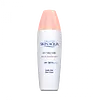
This chemical sunscreen covers most of the UV range, lighter on the deep UVA that drives aging.
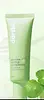
This hybrid sunscreen covers the full UV range and blocks ~97% of UVB at SPF 35.


What's inside
What's inside
 Key Ingredients
Benefits
Concerns
Ingredients Side-by-side
Water
Skin ConditioningEthylhexyl Methoxycinnamate
UV Absorber


Ethylhexyl Triazone
UV Absorber
Cyclomethicone
Emollient
PEG-60 Hydrogenated Castor Oil
Emulsifying


Sodium Hyaluronate
Humectant




Hydrolyzed Collagen
Emollient
Arginine
Masking
Squalane
Emollient
Polyquaternium-51
Skin Conditioning
Triethylhexanoin
Masking1,2-Hexanediol
Skin Conditioning
Cetyl Alcohol
Emollient

Acrylates/C10-30 Alkyl Acrylate Crosspolymer
Emulsion StabilisingXanthan Gum
EmulsifyingDiethylamino Hydroxybenzoyl Hexyl Benzoate
UV Filter
Phenoxyethanol
Preservative
Melaleuca Alternifolia Leaf Oil
Antioxidant





Disodium EDTA
ChelatingPropylparaben
Preservative
Methylparaben
Preservative
Water, Ethylhexyl Methoxycinnamate, Ethylhexyl Triazone, Cyclomethicone, PEG-60 Hydrogenated Castor Oil, Sodium Hyaluronate, Hydrolyzed Collagen, Arginine, Squalane, Polyquaternium-51, Triethylhexanoin, 1,2-Hexanediol, Cetyl Alcohol, Acrylates/C10-30 Alkyl Acrylate Crosspolymer, Xanthan Gum, Diethylamino Hydroxybenzoyl Hexyl Benzoate, Phenoxyethanol, Melaleuca Alternifolia Leaf Oil, Disodium EDTA, Propylparaben, Methylparaben
Water
Skin ConditioningEthylhexyl Methoxycinnamate
UV Absorber
C12-15 Alkyl Benzoate
AntimicrobialDiisopropyl Sebacate
EmollientGlycerin
Humectant
Bis-Ethylhexyloxyphenol Methoxyphenyl Triazine
UV Absorber
Acrylates/C12-22 Alkyl Methacrylate Copolymer
Butylene Glycol
Humectant
Dimethicone
Emollient
Ethylhexyl Triazone
UV Absorber
Glyceryl Stearate
Emollient
Methyl Methacrylate Crosspolymer
PEG-100 Stearate
Surfactant
Titanium Dioxide
Cosmetic Colorant
Agrimonia Pilosa Extract
HumectantCentella Asiatica Extract
Cleansing

Camellia Sinensis Leaf Extract
Antimicrobial

Arginine
Masking
Arachidyl Alcohol
Emollient
Polyglyceryl-4 Laurate
Emulsifying
Polyacrylate Crosspolymer-6
Emulsion StabilisingPolyglyceryl-6 Laurate
Emulsifying
Sodium Polyacrylate
Absorbent
Behenyl Alcohol
Emollient
Cyclomethicone
Emollient
Arachidyl Glucoside
EmulsifyingHydrogenated Polydecene
EmollientCoco-Glucoside
Cleansing
Parfum
Masking
BHT
Antioxidant
Phenoxyethanol
Preservative
Disodium EDTA
ChelatingLauryl PEG-9 Polydimethylsiloxyethyl Dimethicone
Skin Conditioning
Triethoxycaprylylsilane
Disodium Lauryl Sulfosuccinate
CleansingAluminum Hydroxide
EmollientSilica
Abrasive
Trideceth-6
EmulsifyingC11-13 Isoparaffin
Solvent
T-Butyl Alcohol
Perfuming

Propylene Glycol
Humectant
Potassium Sorbate
Preservative
Citric Acid
Buffering
Sodium Benzoate
Masking
CI 77891
Cosmetic ColorantCI 19140
Cosmetic ColorantCI 42090
Cosmetic ColorantWater, Ethylhexyl Methoxycinnamate, C12-15 Alkyl Benzoate, Diisopropyl Sebacate, Glycerin, Bis-Ethylhexyloxyphenol Methoxyphenyl Triazine, Acrylates/C12-22 Alkyl Methacrylate Copolymer, Butylene Glycol, Dimethicone, Ethylhexyl Triazone, Glyceryl Stearate, Methyl Methacrylate Crosspolymer, PEG-100 Stearate, Titanium Dioxide, Agrimonia Pilosa Extract, Centella Asiatica Extract, Camellia Sinensis Leaf Extract, Arginine, Arachidyl Alcohol, Polyglyceryl-4 Laurate, Polyacrylate Crosspolymer-6, Polyglyceryl-6 Laurate, Sodium Polyacrylate, Behenyl Alcohol, Cyclomethicone, Arachidyl Glucoside, Hydrogenated Polydecene, Coco-Glucoside, Parfum, BHT, Phenoxyethanol, Disodium EDTA, Lauryl PEG-9 Polydimethylsiloxyethyl Dimethicone, Triethoxycaprylylsilane, Disodium Lauryl Sulfosuccinate, Aluminum Hydroxide, Silica, Trideceth-6, C11-13 Isoparaffin, T-Butyl Alcohol, Propylene Glycol, Potassium Sorbate, Citric Acid, Sodium Benzoate, CI 77891, CI 19140, CI 42090
Ingredients Explained
These ingredients are found in both products.
Ingredients higher up in an ingredient list are typically present in a larger amount.
Arginine is a semi-essential amino acid. This just means our bodies can product a bit on its own, but sometimes needs a little boost from food sources.
It is a part of your skin's natural moisturizing factor (NMF), or the water-loving molecules in your outermost layer of skin (stratum corneum) that keeps everything hydrated and happy.
Here's an interesting thing about Arginine: your skin converts it into urea through the Krebs-Henseleit urea cycle. Urea is one of the most effective humectants your skin naturally produces.
A clinical study showed applying 2.5% arginine hydrochloride to atopic dermatitis skin showed significant urea levels in the stratum corneum and improved moisture in just four weeks.
Arginine is also a precursor to nitric oxide; nitric oxide improves microcirculation and supports wound healing and collagen synthesis.
One study found that an amino acid complex containing Arginine reduced skin irritation, improved hydration, and accelerated skin repair in clinical / in-vivo studies.
Arginine itself is an amino acid and not a fatty acid, oil, or ester. On its own, it's not a direct food source for Malassezia, or the yeast that causes fungal acne.
Learn more about ArginineCyclomethicone is a class of silicones used to improve the texture of products.
Their cyclic or circular structure decreases stability. This causes quick evaporation when applied to skin. Cyclomethicones are often used as a carrier for other ingredients. Once it evaporates, it leaves a silky barrier on the skin.
The most popular types of cyclomethicones include D5 and D6.
Learn more about CyclomethiconeDisodium EDTA is a chelating agent. It grabs onto and deactivates metal ions that sneak into your products from water, packaging, or air.
This ingredient mainly works behind the scenes and helps with:
On top of that, this ingredient can counteract the effects of hard water by binding to the minerals in it.
One thing worth knowing is that Disodium EDTA has been shown to be a mild penetration enhancer. It can help other ingredients absorb into skin more effectively which can be a double-edged sword (great for actives, but can also make the active too strong if you have sensitive skin).
Clinical patch testing showed no significant skin irritation at typical use concentrations and minimal dermal absorption.
You'll most likely see this ingredient near the end of an ingredient list. It's typically found in concentrations less than 1%.
Learn more about Disodium EDTAThis ingredient is also known as Octinoxate and is one of the oldest and most widely used chemical UV filters in skincare.
It has a simple job: soap up UVB radiation (290-320 nm), the wavelengths responsible for sunburn and a big chunk of long-term sun damage.
In formulas, it's always paired with a separate UVA filter because octinoxate solely protects skin from UVB.
Because it's an oil-soluble liquid, it's easy to blend into the oil phase of lotions/creams and gives a cosmetically elegant feel.
The one quirk about formulating this ingredient is photostability; the molecule slowly changes shape into a less effective version when sunlight hits it. So the longer you're in the sun, the weaker its protection gets. The drop can be more than 30% in some formulas.
It also doesn't play nice with Avobenzone (the common UVA filter) since avobenzone destabilizes octinoxate and the two degrade each other. But don't worry: brands have solved this issue by adding photostabilizers like Tinosorb S to prevent degradation and keep SPF stable under heavy UV exposure.
The maximum allowed level is 10% in the EU and Australia, 7.5% in the US and Canada, and 20% in Japan.
The Cosmetic Ingredient Review Panel has concluded this ingredient to be safe in cosmetics up to 10%.
One last thing worth knowing for context:
Octinoxate has been the subject of ongoing review in Europe where the Scientific Committee on Consumer Safety's (SCCS) 2025 final opinion is that this ingredient is an endocrine-active substance.
Lab and animal studies suggest it can act a bit like a hormone in the body (mildly mimicking estrogen and slightly blocking male hormones). It's important to know this hasn't really been shown to happen in everyday human use.
This ingredient is also banned in Hawaii over coral reef concerns.
Learn more about Ethylhexyl MethoxycinnamateEthylhexyl Triazone (aka Octyl Triazone) is an oil-soluble organic UVB filter. It has peak absorption around 314 nm, right in the middle of the UVB range.
This ingredient is described as one of the most effective UVB filters available and small concentrations are enough to deliver a high SPF thanks to its strong UV absorbing power.
Formulators love it for its stability; its ability to filter UV stays practically unchanged even under intense radiation and it can also help boost the photostability of less stable filters like avobenzone.
It's also a great pick for water resistant products because it's insoluble in water and has a good affinity for keratin.
Because it's a big, heavy molecule, the European Scientific Committee has found to to have very low dermal penetration and negative results for allergenicity.
In vitro testing also showed a low absorption rate and clean results on irritation.
Typical use levels are 1-5% with 5% being the maximum in the EU, Japan, and other markets that allow it. However, this ingredient is not approved yet in the US or Canada.
Learn more about Ethylhexyl TriazonePhenoxyethanol is one of the most widely used preservatives in skincare (and for good reason!).
It has a large spectrum of antimicrobial activity and especially effective bacteria, yeast, and mold while only having a weak effect on your skin's natural microbiome.
On a cellular level, it disrupts the cell membranes of microbes by poking holes that make the cell leak. This shuts down the chemical reactions the microbe needs to make energy so it can no longer survive.
Another perk of this ingredient is that it stays functional across a wide pH range (3-10).
You'll often see it paired with boosters like Ethylhexylglycerin; one study showed that a 1:9 ratio of Ethylhexylglycerin to Phenoxyethanol damages bacterial membranes as effectively as doubling the Phenoxyethanol concentration on its own.
Typical use concentrations range from 0.3-1% depending on the formula, and this ingredient is capped at 1% int the EU.
Safety-wise, the fear mongering does not hold up to the evidence. The EU's Scientific Committee on Consumer Safety and FDA consider it safe as a preservative at up to 1%, including for children of all ages.
Adverse systemic effects only showed up in animal studies at exposures roughly 200x higher than what people get from cosmetics. And despite its very widespread use, this ingredient is a rare sensitizer and allergic reactions are uncommon.
Learn more about PhenoxyethanolWater. It's the most common cosmetic ingredient of all. You'll usually see it at the top of ingredient lists, meaning that it makes up the largest part of the product.
So why is it so popular? Water most often acts as a solvent - this means that it helps dissolve other ingredients into the formulation.
You'll also recognize water as that liquid we all need to stay alive. If you see this, drink a glass of water. Remember to stay hydrated!
Learn more about Water

