

What's inside
What's inside
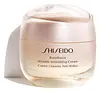 Key Ingredients
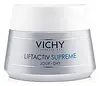
No key ingredients
Benefits
Concerns
Ingredients Side-by-side
Water
Skin ConditioningSd Alcohol 40-B
Astringent

Glycerin
Humectant


Dipropylene Glycol
HumectantNiacinamide
Smoothing









Cyclohexasiloxane
Emollient
Cetyl Ethylhexanoate
EmollientHydrogenated Polydecene
EmollientPhytosteryl/Octyldodecyl Lauroyl Glutamate
Skin ConditioningDimethicone
Emollient
PPG-3 Dipivalate
Skin ConditioningMyristyl Myristate
Emollient


Methyl Methacrylate Crosspolymer
Hydrogenated Palm Oil
Emollient
Ammonium Acryloyldimethyltaurate/Vp Copolymer
Behenyl Alcohol
Emollient
Polysorbate 60
Emulsifying
PEG-30 Phytosterol
EmulsifyingPhenoxyethanol
Preservative
Dimethicone/Vinyl Dimethicone Crosspolymer
Skin Conditioning
Batyl Alcohol
EmollientAlcohol
Antimicrobial


Tocopheryl Acetate
Antioxidant

Erythritol
Humectant
PEG/PPG-14/7 Dimethyl Ether
Skin ConditioningPEG/PPG-17/4 Dimethyl Ether
Skin ConditioningButylene Glycol
Humectant
Parfum
Masking

Carbomer
Emulsion StabilisingAcrylates/C10-30 Alkyl Acrylate Crosspolymer
Emulsion StabilisingPotassium Hydroxide
BufferingCaffeine
Skin Conditioning
Disodium EDTA
Sodium Metaphosphate
BufferingTocopherol
Antioxidant
Sapindus Mukorossi Peel Extract
Skin ConditioningCI 77492
Cosmetic ColorantLinalool
Perfuming
Sodium Metabisulfite
Antioxidant
Limonene
Perfuming
Citronellol
Perfuming
Angelica Keiskei Leaf/Stem Extract
Skin ConditioningGeraniol
Perfuming
Camellia Sinensis Leaf Extract
Antimicrobial
Citrus Junos Seed Extract
Antioxidant
Hdi/Trimethylol Hexyllactone Crosspolymer
Ziziphus Jujuba Fruit Extract
Skin ConditioningCI 77491
Cosmetic ColorantEucheuma Serra/Grateloupia Sparsa/Saccharina Angustata/Ulva Linza/Undaria Pinnatifida Extract
EmollientCurcuma Longa Rhizome Extract
Skin ConditioningSaccharina Angustata/Undaria Pinnatifida Extract
EmollientChlorella Vulgaris Extract
Skin ConditioningSilica
Abrasive
Water, Sd Alcohol 40-B, Glycerin, Dipropylene Glycol, Niacinamide, Cyclohexasiloxane, Cetyl Ethylhexanoate, Hydrogenated Polydecene, Phytosteryl/Octyldodecyl Lauroyl Glutamate, Dimethicone, PPG-3 Dipivalate, Myristyl Myristate, Methyl Methacrylate Crosspolymer, Hydrogenated Palm Oil, Ammonium Acryloyldimethyltaurate/Vp Copolymer, Behenyl Alcohol, Polysorbate 60, PEG-30 Phytosterol, Phenoxyethanol, Dimethicone/Vinyl Dimethicone Crosspolymer, Batyl Alcohol, Alcohol, Tocopheryl Acetate, Erythritol, PEG/PPG-14/7 Dimethyl Ether, PEG/PPG-17/4 Dimethyl Ether, Butylene Glycol, Parfum, Carbomer, Acrylates/C10-30 Alkyl Acrylate Crosspolymer, Potassium Hydroxide, Caffeine, Disodium EDTA, Sodium Metaphosphate, Tocopherol, Sapindus Mukorossi Peel Extract, CI 77492, Linalool, Sodium Metabisulfite, Limonene, Citronellol, Angelica Keiskei Leaf/Stem Extract, Geraniol, Camellia Sinensis Leaf Extract, Citrus Junos Seed Extract, Hdi/Trimethylol Hexyllactone Crosspolymer, Ziziphus Jujuba Fruit Extract, CI 77491, Eucheuma Serra/Grateloupia Sparsa/Saccharina Angustata/Ulva Linza/Undaria Pinnatifida Extract, Curcuma Longa Rhizome Extract, Saccharina Angustata/Undaria Pinnatifida Extract, Chlorella Vulgaris Extract, Silica
Water
Skin ConditioningGlycerin
Humectant
Dimethicone
Emollient
Rhamnose
HumectantIsohexadecane
EmollientAlcohol Denat.
Antimicrobial
Propanediol
Solvent
Isopropyl Isostearate
Emollient
Vinyl Dimethicone/Methicone Silsesquioxane Crosspolymer
Cetyl Alcohol
Emollient
Dimethicone/Vinyl Dimethicone Crosspolymer
Skin Conditioning
Behenyl Alcohol
Emollient
Nylon-12

PEG-100 Stearate
Surfactant
CI 77163
Cosmetic Colorant
CI 77891
Cosmetic ColorantStearic Acid
Cleansing
Stearyl Alcohol
Emollient
Arachidyl Alcohol
Emollient
Cetearyl Alcohol
Emollient
Cetearyl Glucoside
Emulsifying
Caffeine
Skin Conditioning
Neohesperidin Dihydrochalcone
Masking
Palmitic Acid
Emollient
Phenoxyethanol
Preservative
Adenosine
Skin Conditioning
Ammonium Polyacryloyldimethyl Taurate
Emulsion StabilisingDisodium Stearoyl Glutamate
CleansingDisodium EDTA
Caprylyl Glycol
Emollient
Citric Acid
Buffering
Synthetic Fluorphlogopite
Acrylamide/Sodium Acryloyldimethyltaurate Copolymer
Emulsion StabilisingEthylhexyl Hydroxystearate
Emollient
Polysorbate 80
Emulsifying
Parfum
Masking
Water, Glycerin, Dimethicone, Rhamnose, Isohexadecane, Alcohol Denat., Propanediol, Isopropyl Isostearate, Vinyl Dimethicone/Methicone Silsesquioxane Crosspolymer, Cetyl Alcohol, Dimethicone/Vinyl Dimethicone Crosspolymer, Behenyl Alcohol, Nylon-12, PEG-100 Stearate, CI 77163, CI 77891, Stearic Acid, Stearyl Alcohol, Arachidyl Alcohol, Cetearyl Alcohol, Cetearyl Glucoside, Caffeine, Neohesperidin Dihydrochalcone, Palmitic Acid, Phenoxyethanol, Adenosine, Ammonium Polyacryloyldimethyl Taurate, Disodium Stearoyl Glutamate, Disodium EDTA, Caprylyl Glycol, Citric Acid, Synthetic Fluorphlogopite, Acrylamide/Sodium Acryloyldimethyltaurate Copolymer, Ethylhexyl Hydroxystearate, Polysorbate 80, Parfum
Reviews
Ingredients Explained
These ingredients are found in both products.
Ingredients higher up in an ingredient list are typically present in a larger amount.
Behenyl Alcohol is a type of fatty alcohol (these are different from the drying, solvent alcohols).
Fatty Alcohols have hydrating properties and are most often used as an emollient or to thicken a product. They are usually derived from natural fats and oils; behenyl alcohol is derived from the fats of vegetable oils.
Emollients help keep your skin soft and hydrated by creating a film that traps moisture in.
In 2000, Behenyl Alcohol was approved by the US as medicine to reduce the duration of cold sores.
Learn more about Behenyl AlcoholCaffeine is a naturally occurring plant compound found in coffee beans, tea leaves, cocoa pods, and guarana.
As an antioxidant, caffeine protects your skin from free radical damage caused by UV exposure and envionrmnetal stressors.
Early research also shows that caffeine can help calm redness, soothe irritated skin, and support hair growth by stimulating microcirculation in the scalp.
You might have seen eye creams marketing caffeine as a depuffing ingredient. This is because it is a vasoconstrictor meaning it can temporarily constrict blood vessels, though clinical evidence for this specific use is still limited.
Most skincare products contain this ingredient at concentrations between 1-6%. It is able to penetrate skin easily regardless of skin type or thickness.
Just so you know, a very small number of case reports describe caffeine-induced allergy. This ingredient is generally well-tolerated, non-irritating, and non-sensitizing for the majority of people.
Learn more about CaffeineDimethicone is a type of synthetic silicone created from natural materials such as quartz. It is also known as polydimethylsiloxane.
What it does:
Dimethicone comes in different viscosities:
Depending on the viscosity, dimethicone has different properties.
Ingredients lists don't always show which type is used, so we recommend reaching out to the brand if you have questions about the viscosity.
This ingredient is unlikely to cause irritation because it does not get absorbed into skin. However, people with silicone allergies should be careful about using this ingredient.
Note: Dimethicone may contribute to pilling. This is because it is not oil or water soluble, so pilling may occur when layered with products. When mixed with heavy oils in a formula, the outcome is also quite greasy.
Learn more about DimethiconeThis ingredient is a silicone elastomer that works as a texture enhancer, adds a silky slip, and also helps absorb excess oil.
Because it's a large macromolecule that's insoluble in water and chemically inert, it's not expected to penetrate or be absorbed into skin.
Human patch tests with a facial lotion containing 1% of this ingredient found no sensitization.
Learn more about Dimethicone/Vinyl Dimethicone CrosspolymerDisodium EDTA is a chelating agent. It grabs onto and deactivates metal ions that sneak into your products from water, packaging, or air.
This ingredient mainly works behind the scenes and helps with:
On top of that, this ingredient can counteract the effects of hard water by binding to the minerals in it.
One thing worth knowing is that Disodium EDTA has been shown to be a mild penetration enhancer. It can help other ingredients absorb into skin more effectively which can be a double-edged sword (great for actives, but can also make the active too strong if you have sensitive skin).
Clinical patch testing showed no significant skin irritation at typical use concentrations and minimal dermal absorption.
You'll most likely see this ingredient near the end of an ingredient list. It's typically found in concentrations less than 1%.
Learn more about Disodium EDTAGlycerin (or glycerol) is a compound naturally found in your skin. It's a powerhouse humectant that pulls water into the stratum corneum.
Topically, glycerin does several things at once:
Your skin makes glycerin on its own (mostly from sebaceous oil breakdown) and shuttles it to your outermost layer of skin, or your epidermis, via aquaporin-3.
Aquaporin-3 is a transporter that is essential for normal skin hydration, elasticity, and repair. Interestingly, mice lacking in AQP3 have dry and less elastic skin that can be fully corrected with glycerin.
This ingredient is non-irritating, plays well with almost every ingredient, and works across all skin types. Typical use is anywhere between 3-10% but can go up to 79% in some leave-on products.
Just know very high concentrations (>40%) can feel tacky in low humidity.
Glycerin is the name for this ingredient in American English. British English uses Glycerol/Glycerine.
Learn more about GlycerinParfum is a catch-all term for an ingredient or more that is used to give a scent to products.
Also called "fragrance", this ingredient can be a blend of hundreds of chemicals or plant oils. This means every product with "fragrance" or "parfum" in the ingredients list is a different mixture.
For instance, Habanolide is a proprietary trade name for a specific aroma chemical. When used as a fragrance ingredient in cosmetics, most aroma chemicals fall under the broad labeling category of “FRAGRANCE” or “PARFUM” according to EU and US regulations.
The term 'parfum' or 'fragrance' is not regulated in many countries. In many cases, it is up to the brand to define this term.
For instance, many brands choose to label themselves as "fragrance-free" because they are not using synthetic fragrances. However, their products may still contain ingredients such as essential oils that are considered a fragrance by INCI standards.
One example is Calendula flower extract. Calendula is an essential oil that still imparts a scent or 'fragrance'.
Depending on the blend, the ingredients in the mixture can cause allergies and sensitivities on the skin. Some ingredients that are known EU allergens include linalool and citronellol.
Parfum can also be used to mask or cover an unpleasant scent.
The bottom line is: not all fragrances/parfum/ingredients are created equally. If you are worried about fragrances, we recommend taking a closer look at an ingredient. And of course, we always recommend speaking with a professional.
Learn more about ParfumPhenoxyethanol is a preservative that has germicide, antimicrobial, and aromatic properties. Studies show that phenoxyethanol can prevent microbial growth. By itself, it has a scent that is similar to that of a rose.
It's often used in formulations along with Caprylyl Glycol to preserve the shelf life of products.
Water. It's the most common cosmetic ingredient of all. You'll usually see it at the top of ingredient lists, meaning that it makes up the largest part of the product.
So why is it so popular? Water most often acts as a solvent - this means that it helps dissolve other ingredients into the formulation.
You'll also recognize water as that liquid we all need to stay alive. If you see this, drink a glass of water. Remember to stay hydrated!
Learn more about Water
