
What's inside
What's inside
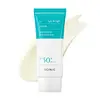 Key Ingredients
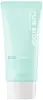
Benefits
Concerns
Ingredients Side-by-side
Water
Skin ConditioningDibutyl Adipate
EmollientPropanediol
Solvent
Diethylamino Hydroxybenzoyl Hexyl Benzoate
UV Filter
Bis-Ethylhexyloxyphenol Methoxyphenyl Triazine
Skin Conditioning
Polymethylsilsesquioxane

Polysilicone-15
UV Filter
Methylene Bis-Benzotriazolyl Tetramethylbutylphenol
UV Filter
Ethylhexyl Triazone
UV Absorber
Niacinamide
Smoothing










Diethylhexyl Butamido Triazone
UV Absorber
Glycerin
Humectant
Butylene Glycol
Humectant
1,2-Hexanediol
Skin Conditioning
Sodium Hyaluronate
Humectant
Camellia Sinensis Leaf Extract
Antimicrobial
Vanilla Tahitensis Fruit Extract
Skin ConditioningBambusa Vulgaris Water
Skin ConditioningCentella Asiatica Extract
Cleansing
Caprylyl Methicone
Skin Conditioning
Coco-Caprylate/Caprate
Emollient
Silica
Abrasive


Poly C10-30 Alkyl Acrylate
Emulsion StabilisingPolyglyceryl-3 Methylglucose Distearate
Emulsifying
Sodium Acrylates Crosspolymer-2
AbsorbentDecyl Glucoside
CleansingAcrylates/C10-30 Alkyl Acrylate Crosspolymer
Emulsion StabilisingTromethamine
BufferingPolyacrylate Crosspolymer-6
Emulsion StabilisingAdenosine
Skin Conditioning
Panthenol
Skin Conditioning
Dipropylene Glycol
HumectantPentylene Glycol
Skin ConditioningBehenyl Alcohol
Emollient
Xanthan Gum
EmulsifyingWater, Dibutyl Adipate, Propanediol, Diethylamino Hydroxybenzoyl Hexyl Benzoate, Bis-Ethylhexyloxyphenol Methoxyphenyl Triazine, Polymethylsilsesquioxane, Polysilicone-15, Methylene Bis-Benzotriazolyl Tetramethylbutylphenol, Ethylhexyl Triazone, Niacinamide, Diethylhexyl Butamido Triazone, Glycerin, Butylene Glycol, 1,2-Hexanediol, Sodium Hyaluronate, Camellia Sinensis Leaf Extract, Vanilla Tahitensis Fruit Extract, Bambusa Vulgaris Water, Centella Asiatica Extract, Caprylyl Methicone, Coco-Caprylate/Caprate, Silica, Poly C10-30 Alkyl Acrylate, Polyglyceryl-3 Methylglucose Distearate, Sodium Acrylates Crosspolymer-2, Decyl Glucoside, Acrylates/C10-30 Alkyl Acrylate Crosspolymer, Tromethamine, Polyacrylate Crosspolymer-6, Adenosine, Panthenol, Dipropylene Glycol, Pentylene Glycol, Behenyl Alcohol, Xanthan Gum
Water
Skin ConditioningEthylhexyl Methoxycinnamate
UV Absorber

Alcohol Denat.
Antimicrobial


Octocrylene
UV Absorber
Ethylhexyl Salicylate
UV Absorber
Butylene Glycol
Humectant
Butyl Methoxydibenzoylmethane
UV Absorber
Dipropylene Glycol
HumectantMethyl Methacrylate Crosspolymer
Bis-Ethylhexyloxyphenol Methoxyphenyl Triazine
Skin Conditioning
Nelumbium Speciosum Flower Extract
Skin ConditioningCitrullus Lanatus Fruit Extract
Skin Conditioning
Hydrolyzed Hyaluronic Acid
Humectant
Adansonia Digitata Seed Extract
Skin ConditioningDimethicone
Emollient
Sodium Acrylate/Sodium Acryloyldimethyl Taurate Copolymer
Emulsion StabilisingAcrylates/C10-30 Alkyl Acrylate Crosspolymer
Emulsion StabilisingIsohexadecane
EmollientPolysorbate 80
Emulsifying
Potassium Hydroxide
BufferingBHT
Antioxidant
Polysorbate 60
Emulsifying
Cetyl PEG/PPG-10/1 Dimethicone
Emulsifying
Cyclopentasiloxane
Emollient
Disodium EDTA
Caprylyl Glycol
Emollient
Ethylhexylglycerin
Skin Conditioning1,2-Hexanediol
Skin Conditioning
Parfum
Masking
Limonene
Perfuming
Linalool
Perfuming
Butylphenyl Methylpropional
Perfuming
Water, Ethylhexyl Methoxycinnamate, Alcohol Denat., Octocrylene, Ethylhexyl Salicylate, Butylene Glycol, Butyl Methoxydibenzoylmethane, Dipropylene Glycol, Methyl Methacrylate Crosspolymer, Bis-Ethylhexyloxyphenol Methoxyphenyl Triazine, Nelumbium Speciosum Flower Extract, Citrullus Lanatus Fruit Extract, Hydrolyzed Hyaluronic Acid, Adansonia Digitata Seed Extract, Dimethicone, Sodium Acrylate/Sodium Acryloyldimethyl Taurate Copolymer, Acrylates/C10-30 Alkyl Acrylate Crosspolymer, Isohexadecane, Polysorbate 80, Potassium Hydroxide, BHT, Polysorbate 60, Cetyl PEG/PPG-10/1 Dimethicone, Cyclopentasiloxane, Disodium EDTA, Caprylyl Glycol, Ethylhexylglycerin, 1,2-Hexanediol, Parfum, Limonene, Linalool, Butylphenyl Methylpropional
Reviews
Ingredients Explained
These ingredients are found in both products.
Ingredients higher up in an ingredient list are typically present in a larger amount.
1,2-Hexanediol is a synthetic liquid and another multi-functional powerhouse.
It is a:
- Humectant, drawing moisture into the skin
- Emollient, helping to soften skin
- Solvent, dispersing and stabilizing formulas
- Preservative booster, enhancing the antimicrobial activity of other preservatives
Acrylates/C10-30 Alkyl Acrylate Crosspolymer is a synthetic polymer. It is used to thicken and improve the texture of products. Due to its properties, it can prevent water and oil ingredients from separating.
You might know this ingredient as Tinosorb S or Bemotrizinol. It is a UV filter that covers both UVA and UVB rays.
This ingredient has two peak UV absorption peaks ( 310 and 340 nm) and is able to absorb both UV-A and UV-B rays. This ingredient works by preventing UV rays from reaching and damaging your skin.
On top of that - it is highly photostable and helps prevent the photodegration of other sunscreen ingredients such as avobenzone.
Tinosorb S is allowed in the EU, Australia, and Asia. It is close to being approved by the FDA and we'll hopefully get this ingredient in the U.S. by late 2025.
Fun fact: Tinosorb S is the most effective UV absorber at maximum concentration (measured by SPF) permitted in the EU.
This ingredient is oil-soluble, so your oil-cleansers will take this right off at night.
Learn more about Bis-Ethylhexyloxyphenol Methoxyphenyl TriazineButylene Glycol (or BG) is used within cosmetic products for a few different reasons:
Overall, Butylene Glycol is a safe and well-rounded ingredient that works well with other ingredients.
Though this ingredient works well with most skin types, some people with sensitive skin may experience a reaction such as allergic rashes, closed comedones, or itchiness.
Learn more about Butylene GlycolDipropylene Glycol is a synthetically created humectant, stabilizer, and solvent.
This ingredient helps:
Dipropylene glycol is technically an alcohol, but it belongs to the glycol family (often considered part of the ‘good’ alcohols). This means it is hydrating and gentle on skin unlike drying solvent alcohols like denatured alcohol.
As a masking agent, Dipropylene Glycol can be used to cover the smell of other ingredients. However, it does not have a scent.
Studies show Dipropylene Glycol is considered safe to use in skincare.
Learn more about Dipropylene GlycolWater. It's the most common cosmetic ingredient of all. You'll usually see it at the top of ingredient lists, meaning that it makes up the largest part of the product.
So why is it so popular? Water most often acts as a solvent - this means that it helps dissolve other ingredients into the formulation.
You'll also recognize water as that liquid we all need to stay alive. If you see this, drink a glass of water. Stay hydrated!
Learn more about Water
