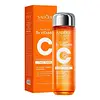
This brightening toner is formulated around 3-O-Ethyl Ascorbic Acid and Ascorbic Acid to brighten dull-looking skin and fade the look of dark spots.
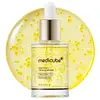
This brightening serum is formulated around Niacinamide and Ascorbic Acid to brighten dull-looking skin and fade the look of dark spots.


What's inside
What's inside
 Key Ingredients
Benefits
Concerns
Ingredients Side-by-side
Water
Skin ConditioningGlycerin
Humectant


Butylene Glycol
Humectant
Phenoxyethylparaben
Antimicrobial
Allantoin
Skin Conditioning

Bis-PEG-18 Methyl Ether Dimethyl Silane
EmollientGlyceryl Glucoside
Humectant
Fructose
Humectant
Rhamnose
HumectantCarbomer
Emulsion StabilisingTriethanolamine
BufferingSodium PEG-50 Hydrogenated Castor Oil Succinate
Cleansing
Sodium Lactate
Buffering
CI 15980
Cosmetic ColorantBeta-Glucan
Skin Conditioning
CI 19140
Cosmetic Colorant3-O-Ethyl Ascorbic Acid
Skin Conditioning



Ascorbyl Glucoside
Antioxidant

Ascorbic Acid
Antioxidant
Magnesium Ascorbyl Phosphate
Antioxidant
Ascorbyl Tetraisopalmitate
Antioxidant

Citrus Junos Fruit Extract
Skin ConditioningNiacinamide
Smoothing


Water, Glycerin, Butylene Glycol, Phenoxyethylparaben, Allantoin, Bis-PEG-18 Methyl Ether Dimethyl Silane, Glyceryl Glucoside, Fructose, Rhamnose, Carbomer, Triethanolamine, Sodium PEG-50 Hydrogenated Castor Oil Succinate, Sodium Lactate, CI 15980, Beta-Glucan, CI 19140, 3-O-Ethyl Ascorbic Acid, Ascorbyl Glucoside, Ascorbic Acid, Magnesium Ascorbyl Phosphate, Ascorbyl Tetraisopalmitate, Citrus Junos Fruit Extract, Niacinamide
Hippophae Rhamnoides Water
Masking
Glycereth-26
Humectant
Niacinamide
Smoothing
Glycerin
Humectant
Water
Skin Conditioning1,2-Hexanediol
Skin Conditioning
Diphenylsiloxy Phenyl Trimethicone
Skin Conditioning
Benzyl Glycol
SolventCaprylic/Capric Triglyceride
Masking
Isononyl Isononanoate
EmollientDiethoxyethyl Succinate
SolventArginine
Masking
Acrylates/C10-30 Alkyl Acrylate Crosspolymer
Emulsion StabilisingC12-14 Alketh-12
EmulsifyingOctyldodeceth-16
EmulsifyingCastor Oil/Ipdi Copolymer
Gluconolactone
Chelating
Ethylhexylglycerin
Skin ConditioningAllantoin
Skin Conditioning
Xanthan Gum
EmulsifyingAdenosine
Skin Conditioning
Disodium EDTA
ChelatingPanthenol
Skin Conditioning
Dextrin Palmitate
Emulsifying
Hydrogenated Lecithin
Emulsifying
Olea Europaea Fruit Oil
Masking

Cholesterol
Emollient
Dibutyl Ethylhexanoyl Glutamide
Skin ConditioningCarbomer
Emulsion StabilisingHelianthus Annuus Seed Oil
Emollient
Glutathione
Ascorbic Acid
Antioxidant
Dibutyl Lauroyl Glutamide
Skin ConditioningCitrus Medica Vulgaris Peel Oil
Masking
3-O-Ethyl Ascorbic Acid
Skin Conditioning
Ascorbyl Glucoside
Antioxidant
Xanthophylls
Skin ConditioningPropanediol
Solvent
Rosmarinus Officinalis Leaf Oil
Masking
Litsea Cubeba Fruit Oil
Masking

Foeniculum Vulgare Oil
Emollient
Magnesium Ascorbyl Phosphate
Antioxidant
Sodium Ascorbyl Phosphate
Antioxidant
Sodium Hyaluronate
Humectant
Tocopherol
Antioxidant
Coriandrum Sativum Fruit Oil
Masking
Dipropylene Glycol
HumectantMentha Arvensis Leaf Oil
Masking
Ascorbyl Tetraisopalmitate
Antioxidant
Polyglyceryl-10 Laurate
Skin Conditioning
Hydrolyzed Hyaluronic Acid
Humectant
Glycine Max Oil
Emollient
Hydrogenated Phosphatidylcholine
Emulsifying
Sodium Acetylated Hyaluronate
Humectant
Hippophae Rhamnoides Water, Glycereth-26, Niacinamide, Glycerin, Water, 1,2-Hexanediol, Diphenylsiloxy Phenyl Trimethicone, Benzyl Glycol, Caprylic/Capric Triglyceride, Isononyl Isononanoate, Diethoxyethyl Succinate, Arginine, Acrylates/C10-30 Alkyl Acrylate Crosspolymer, C12-14 Alketh-12, Octyldodeceth-16, Castor Oil/Ipdi Copolymer, Gluconolactone, Ethylhexylglycerin, Allantoin, Xanthan Gum, Adenosine, Disodium EDTA, Panthenol, Dextrin Palmitate, Hydrogenated Lecithin, Olea Europaea Fruit Oil, Cholesterol, Dibutyl Ethylhexanoyl Glutamide, Carbomer, Helianthus Annuus Seed Oil, Glutathione, Ascorbic Acid, Dibutyl Lauroyl Glutamide, Citrus Medica Vulgaris Peel Oil, 3-O-Ethyl Ascorbic Acid, Ascorbyl Glucoside, Xanthophylls, Propanediol, Rosmarinus Officinalis Leaf Oil, Litsea Cubeba Fruit Oil, Foeniculum Vulgare Oil, Magnesium Ascorbyl Phosphate, Sodium Ascorbyl Phosphate, Sodium Hyaluronate, Tocopherol, Coriandrum Sativum Fruit Oil, Dipropylene Glycol, Mentha Arvensis Leaf Oil, Ascorbyl Tetraisopalmitate, Polyglyceryl-10 Laurate, Hydrolyzed Hyaluronic Acid, Glycine Max Oil, Hydrogenated Phosphatidylcholine, Sodium Acetylated Hyaluronate
Ingredients Explained
These ingredients are found in both products.
Ingredients higher up in an ingredient list are typically present in a larger amount.
3-O-Ethyl Ascorbic Acid is one of the most popular "stable" vitamin C derivatives in skincare.
Plain ascorbic acid is fantastic but notoriously fragile; it browns, oxidizes, and loses potency fast. So attaching an ethyl group to the third carbon of the molecule gives it some cool perks:
In a formula, it does the 3 classic vitamin C jobs: it acts as an antioxidant, helps brighten skin tone by inhibiting tyrosinase, and supports collagen.
The evidence is reasonably solid for a cosmetic ingredient; Liao and colleagues (2018) showed it's significantly more stable than ascorbic acid while still being effective.
A 2021 study by Zerbinati and colleagues tested a serum with 30% 3-O-ethyl-l-ascorbic acid and 1% lactic acid significantly increased collagen production, reduced UVB-induced DNA damage, and decreased melanin on a reconstructed pigmented skin model.
Typical real world usage sits around 0.5-5% (and 1-2% is common for daily serums).
Amounts up to 30% have been shown to be non-irritating on human skin samples, but two isolated cases reported allergic contact dermatitis so a patch test is sensible if you have reactive skin.
Learn more about 3-O-Ethyl Ascorbic AcidAllantoin is a soothing ingredient known for its protective and moisturizing properties; it's basically a quiet workhorse ingredient you can find in a huge range of cosmetics.
Though it can be derived from the comfrey plant, allantoin is produced synthetically for cosmetic products to ensure purity.
Research shows it can encourage your skin cells to turn over and renew by stimulating keratinocyte and fibroblast proliferation.
It also has mild keratolytic properties to help loosen and shed dead skin cells without being harsh.
Studies also suggest allantoin can help calm inflammation by dialing down some of the chemical signals your skin sends out when it is irritated.
This ingredient is typically used in the 0.1-0.5% range, and the FDA recognizes it as a skin protectant in OTC products up to 2%.
Overall, allantoin is a wonderful addition to most routines; it is stable across a wide pH range (~4-8), works well with other ingredients, and is considered non-sensitizing/non-irritating.
Fun fact: Allantoin is naturally occurring in comfrey root, beets, chamomile, and wheat sprouts. Our bodies even produce it as a byproduct of uric acid metabolism.
Learn more about AllantoinAscorbic Acid is is pure Vitamin C and is the biologically active form used directly by skin.
Not only is vitamin C great for your overall health and immune system, but it also has plenty of benefits for your skin. It is best supported by academic literature for:
Topical vitamin C has been shown to help neutralize oxidative stress from UV and pollution, helping to improve photoaging and hyperpigmentation when used consistently.
One clinical study found that using 5% topical vitamin C for six months improved signs of photodamaged skin, both on the surface and in the deeper structural layers of the skin.
While vitamin C doesn’t replace sunscreen, studies show it can boost photoprotection when combined with Vitamin E and ferulic acid. These two ingredients help improve stability and protective effects.
The big downside of this ingredient is formulation difficulty. Vitamin C is prone to oxidation and doesn't penetrate the skin unless formulated correctly. Research found that vitamin C absorbs into the skin best at a low pH (< 3.5) with about 20% being the upper limit for effective absorption.
Skin levels can saturate after repeated application; this means your skin won’t keep absorbing more once it’s full of vitamin C. This is why more isn’t always better with vitamin C and why very high concentrations don’t necessarily give extra benefits.
Ascorbic acid generally works well with many skincare ingredients but can be irritating when combined with other active ingredients. Strong oxidizing acne treatments like benzoyl peroxide can reduce the effectiveness of vitamin C if they are used at the same time; they are often recommended for use at different times of day.
Read more about other types of Vitamin C:
Foods rich with vitamin C include oranges, strawberries, broccoli, bell peppers, and more. When consuming Vitamin C, your skin receives a portion of the nutrients.
Learn more about Ascorbic AcidAscorbyl Glucoside (AA-2G) is one of the most stable vitamin C derivatives out there.
It's made by attaching a glucose molecule to ascorbic acid; this glucose "cap" shields the vitamin C from air, light, heat, and metal ions that normally cause pure ascorbic acid to oxidize.
Once on your skin, the enzyme alpha-glucosidase snips off the glucose and gradually releases active ascorbic acid right where it's needed. Basically, it behaves like a slow-release pro-vitamin C with less of a stinging that high-strength ascorbic acid can cause.
The research supports the classic vitamin C benefits as well. In lab and human studies, AA-2G slowed down the skin's production of melanin (the pigment behind dark spots) and helped shield skin cells against sun damage better than ascorbyl phosphate.
These studies also showed AA-2G released vitamin C over a longer period.
A frequently cited manufacturer trial found that a 2% AA-2G face cream significantly improved wrinkle depth and skin roughness after 45 days.
And in 2009, a clinical trial showed it meaningfully lightened dark patches on the gums compared to a placebo.
There's also collagen-synthesis support (since vitamin C is a required cofactor for that) and an antioxidant effect too.
Typical usage is usually between 0.5-5% and most studies/products land around 2%.
AA-2G performs best when formulated at a mildly acidic pH (~5-7) which is much gentler than the pH that pure vitamin C demands (~2.5-3.5).
Just one thing worth knowing: the in-skin conversation rate is only about 55-60% by weight. So a 5% AA-2G product delivers roughly 2.75-3% of actual active vitamin C. On top of that, skin absorption is relatively low because the ingredient is water-soluble.
Learn more about Ascorbyl GlucosideAscorbyl Tetraisopalmitate is a version of ascorbic acid, or Vitamin C.
This ingredient has many benefits including reducing wrinkles, skin soothing, dark spot fading, and fighting against free radicals.
It helps with dark spot fading by interfering with the process of skin darkening, helping to reduce hyperpigmentation. Like other forms of vitamin C, this ingredient encourages the skin to create more collagen.
As an antioxidant, it helps fight free-radicals. Free-radicals are molecules that may damage your skin cells.
One study found Ascorbyl Tetraisopalmitate to degrade in sunlight, but is stabilized when combined with acetyl zingerone.
Learn more about Ascorbyl TetraisopalmitateCarbomer is a synthetic thickening and gelling agent. It's basically the ingredient that gives a lot of serums, gels, creams, and sunscreens their smooth, non-sticky texture.
Although legally permitted at very high levels, carbomers are normally used at concentrations below 1%.
It also needs to be neutralized to actually thicken, and because it is a large molecule, it doesn't really penetrate the skin barrier.
Allergy-wise, the risk is very low. Clinical studies show carbomers have low potential for skin irritation/sensitization even at concentrations up to 100%.
A 2024 UK study patch-tested 1,302 patients and found true allergy to the parent group of carbomer to be rare with no confirmed relevant reactions.
Learn more about CarbomerGlycerin (or glycerol) is a compound naturally found in your skin. It's a powerhouse humectant that pulls water into the stratum corneum.
Topically, glycerin does several things at once:
Your skin makes glycerin on its own (mostly from sebaceous oil breakdown) and shuttles it to your outermost layer of skin, or your epidermis, via aquaporin-3.
Aquaporin-3 is a transporter that is essential for normal skin hydration, elasticity, and repair. Interestingly, mice lacking in AQP3 have dry and less elastic skin that can be fully corrected with glycerin.
This ingredient is non-irritating, plays well with almost every ingredient, and works across all skin types. Typical use is anywhere between 3-10% but can go up to 79% in some leave-on products.
Just know very high concentrations (>40%) can feel tacky in low humidity.
Glycerin is the name for this ingredient in American English. British English uses Glycerol/Glycerine.
Learn more about GlycerinMagnesium Ascorbyl Phosphate (MAP) is a water-soluble form of Vitamin C. It is used in skincare because it tends to be more formulation friendly than pure vitamin C (ascorbic acid).
According to research, MAP has three major benefits:
While MAP is gentler on the skin than ascorbic acid, it is thought to be less easily absorbed into the skin.
In a well-known absorption study, pure vitamin C increased skin vitamin C levels when formulated correctly, but derivatives like MAP did not in that experiment. This suggests MAP may not always convert into active vitamin C in the skin.
Due to MAP's stability up to a pH level of 7, it is more stable to air and sunlight exposure than ascorbic acid. The best pH range for MAP is between 5 and 6.
Learn more about Magnesium Ascorbyl PhosphateNiacinamide is a multitasking form of vitamin B3 that strengthens the skin barrier, reduces pores and dark spots, regulates oil, and improves signs of aging.
And the best part? It's gentle and well-tolerated by most skin types, including sensitive and reactive skin.
You might have heard of "niacin flush", or the reddening of skin that causes itchiness. Niacinamide has not been found to cause this.
In very rare cases, some individuals may not be able to tolerate niacinamide at all or experience an allergic reaction to it.
If you are experiencing flaking, irritation, and dryness with this ingredient, be sure to double check all your products as this ingredient can be found in all categories of skincare.
When incorporating niacinamide into your routine, look out for concentration amounts. Typically, 5% niacinamide provides benefits such as fading dark spots. However, if you have sensitive skin, it is better to begin with a smaller concentration.
When you apply niacinamide to your skin, your body converts it into nicotinamide adenine dinucleotide (NAD). NAD is an essential coenzyme that is already found in your cells as "fuel" and powers countless biological processes.
In your skin, NAD helps repair cell damage, produce new healthy cells, support collagen production, strengthen the skin barrier, and fight environmental stressors (like UV and pollution).
Our natural NAD levels start to decline with age, leading to slower skin repair, visible aging, and a weaker skin barrier. By providing your skin niacinamide, you're recharging your skin's NAD levels. This leads to stronger, healthier, and younger looking skin.
Another name for vitamin B3 is nicotinamide. This vitamin is water-soluble and our bodies don't store it. We obtain Vitamin B3 from either food or skincare. Meat, fish, wheat, yeast, and leafy greens contain vitamin B3.
The type of niacinamide used in skincare is synthetically created.
Learn more about NiacinamideWater. It's the most common cosmetic ingredient of all. You'll usually see it at the top of ingredient lists, meaning that it makes up the largest part of the product.
So why is it so popular? Water most often acts as a solvent - this means that it helps dissolve other ingredients into the formulation.
You'll also recognize water as that liquid we all need to stay alive. If you see this, drink a glass of water. Remember to stay hydrated!
Learn more about Water

