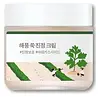
This calming moisturizer is formulated around Artemisia Vulgaris Extract and Panthenol to calm redness and hydrate skin.
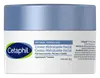
This barrier-repair day moisturizer is formulated around Helianthus Annuus Seed Oil and Hydrolyzed Hyaluronic Acid to strengthen the skin barrier and hydrate skin.


What's inside
What's inside
 Key Ingredients
Benefits
Concerns
No concerns
Ingredients Side-by-side
Water
Skin ConditioningGlycerin
Humectant


Propanediol
Solvent
Pentylene Glycol
Skin Conditioning
Butylene Glycol
Humectant
Cyclohexasiloxane
Emollient
Caprylyl Methicone
Skin Conditioning
Artemisia Vulgaris Extract
Skin Conditioning

Diglycerin
Humectant
Pentaerythrityl Tetraethylhexanoate
Emollient
Hydroxyethyl Acrylate/Sodium Acryloyldimethyl Taurate Copolymer
Emulsion StabilisingVinyldimethicone
Panthenol
Skin Conditioning
Silica
Abrasive


Chlorella Vulgaris Extract
Skin ConditioningGlucose
Humectant
Carbomer
Emulsion StabilisingHydroxyacetophenone
Antioxidant
Dimethiconol
Emollient
Fructooligosaccharides
Humectant
Fructose
Humectant
Tromethamine
BufferingAcrylates/C10-30 Alkyl Acrylate Crosspolymer
Emulsion StabilisingGlyceryl Acrylate/Acrylic Acid Copolymer
HumectantLactobionic Acid
Buffering




Xanthan Gum
Emulsifying1,2-Hexanediol
Skin Conditioning
Artemisia Princeps Leaf Extract
Skin ConditioningEthylhexylglycerin
Skin ConditioningAllantoin
Skin Conditioning
Dipotassium Glycyrrhizate
Humectant
Sodium Citrate
BufferingSodium Phytate
ChelatingXylitol
Humectant
Dextrin
AbsorbentTheobroma Cacao Seed Extract
Antioxidant
Madecassoside
Antioxidant
Salvia Officinalis Oil
Masking
Asiaticoside
Antioxidant
Centella Asiatica Leaf Extract
Skin Conditioning
Tocopherol
Antioxidant

Water, Glycerin, Propanediol, Pentylene Glycol, Butylene Glycol, Cyclohexasiloxane, Caprylyl Methicone, Artemisia Vulgaris Extract, Diglycerin, Pentaerythrityl Tetraethylhexanoate, Hydroxyethyl Acrylate/Sodium Acryloyldimethyl Taurate Copolymer, Vinyldimethicone, Panthenol, Silica, Chlorella Vulgaris Extract, Glucose, Carbomer, Hydroxyacetophenone, Dimethiconol, Fructooligosaccharides, Fructose, Tromethamine, Acrylates/C10-30 Alkyl Acrylate Crosspolymer, Glyceryl Acrylate/Acrylic Acid Copolymer, Lactobionic Acid, Xanthan Gum, 1,2-Hexanediol, Artemisia Princeps Leaf Extract, Ethylhexylglycerin, Allantoin, Dipotassium Glycyrrhizate, Sodium Citrate, Sodium Phytate, Xylitol, Dextrin, Theobroma Cacao Seed Extract, Madecassoside, Salvia Officinalis Oil, Asiaticoside, Centella Asiatica Leaf Extract, Tocopherol
Water
Skin ConditioningGlycerin
Humectant
Sorbitol
Humectant
Coco-Caprylate/Caprate
Emollient
Glyceryl Citrate/Lactate/Linoleate/Oleate
Emulsifying

Helianthus Annuus Seed Oil
Emollient
Octyldodecanol
Emollient
Hexyldecanol
Emollient
Hexyldecyl Laurate
EmollientHydroxypropyl Starch Phosphate
Acrylates/C10-30 Alkyl Acrylate Crosspolymer
Emulsion StabilisingAnhydroxylitol
Humectant
Butyrospermum Parkii Oil
Emollient
Citric Acid
Buffering
Dicaprylyl Carbonate
EmollientDisodium Cocoyl Glutamate
Cleansing
Globularia Alypum Leaf Extract
Skin ConditioningHydrolyzed Hyaluronic Acid
Humectant
Panthenol
Skin Conditioning
Pantolactone
Humectant
Phenoxyethanol
Preservative
Propylene Glycol
Humectant
Sodium Benzoate
Masking
Sodium Hydroxide
BufferingSodium Polyacrylate
Absorbent
Tocopherol
Antioxidant
Tocopheryl Acetate
Antioxidant
Xylitol
Humectant
Butyl Glucoside
CleansingWater, Glycerin, Sorbitol, Coco-Caprylate/Caprate, Glyceryl Citrate/Lactate/Linoleate/Oleate, Helianthus Annuus Seed Oil, Octyldodecanol, Hexyldecanol, Hexyldecyl Laurate, Hydroxypropyl Starch Phosphate, Acrylates/C10-30 Alkyl Acrylate Crosspolymer, Anhydroxylitol, Butyrospermum Parkii Oil, Citric Acid, Dicaprylyl Carbonate, Disodium Cocoyl Glutamate, Globularia Alypum Leaf Extract, Hydrolyzed Hyaluronic Acid, Panthenol, Pantolactone, Phenoxyethanol, Propylene Glycol, Sodium Benzoate, Sodium Hydroxide, Sodium Polyacrylate, Tocopherol, Tocopheryl Acetate, Xylitol, Butyl Glucoside
Reviews
Ingredients Explained
These ingredients are found in both products.
Ingredients higher up in an ingredient list are typically present in a larger amount.
Acrylates/C10-30 Alkyl Acrylate Crosspolymer is a synthetic polymer. It is used to thicken, emulsify, and improve the texture of products.
As an emulsifier, it helps stabilize oil-in-water emulsions to give products an elegant feel when applied.
It can also form a thin protective film on skin. One study found that a formula using this polymer helped slow down how quickly other ingredients (like DEET) were absorbed through skin.
A 2024 study of over 1,300 patients confirmed that sensitization to this ingredient is rare. It is also non-mutagenic and has a clean track record.
Learn more about Acrylates/C10-30 Alkyl Acrylate CrosspolymerGlycerin (or glycerol) is a compound naturally found in your skin. It's a powerhouse humectant that pulls water into the stratum corneum.
Topically, glycerin does several things at once:
Your skin makes glycerin on its own (mostly from sebaceous oil breakdown) and shuttles it to your outermost layer of skin, or your epidermis, via aquaporin-3.
Aquaporin-3 is a transporter that is essential for normal skin hydration, elasticity, and repair. Interestingly, mice lacking in AQP3 have dry and less elastic skin that can be fully corrected with glycerin.
This ingredient is non-irritating, plays well with almost every ingredient, and works across all skin types. Typical use is anywhere between 3-10% but can go up to 79% in some leave-on products.
Just know very high concentrations (>40%) can feel tacky in low humidity.
Glycerin is the name for this ingredient in American English. British English uses Glycerol/Glycerine.
Learn more about GlycerinPanthenol is a common ingredient that helps hydrate and soothe the skin. It is found naturally in our skin and hair.
There are two forms of panthenol: D and L.
D-panthenol is also known as dexpanthenol. Most cosmetics use dexpanthenol or a mixture of D and L-panthenol.
Panthenol is famous due to its ability to go deeper into the skin's layers. Using this ingredient has numerous pros (and no cons):
Like hyaluronic acid, panthenol is a humectant. Humectants are able to bind and hold large amounts of water to keep skin hydrated.
This ingredient works well for wound healing. It works by increasing tissue in the wound and helps close open wounds.
Once oxidized, panthenol converts to pantothenic acid. Panthothenic acid is found in all living cells.
This ingredient is also referred to as pro-vitamin B5.
Learn more about PanthenolTocopherol is a fat-soluble antioxidant known as Vitamin E.
You'll find this ingredient in the vast majority of skincare (for good reason). It works to neutralize free radicals, or unstable molecules generated by UV exposure, pollution, and other environmental stressors, before they can cause oxidative damage to your skin cells.
Topically applied tocopherol has been shown to protect against UV damage by ramping up the skin's own natural defense enzymes.
It also acts as a skin conditioning agent; some studies show that regular topical use can improve the skin's water-binding capacity over 2-4 weeks.
This ingredient is especially loved for being a team player. When combined with Vitamin C, the photoprotective effect of both ingredients roughly doubles and the combo also helps reduce UV-induced DNA damage.
This ingredient has some brightening potential but it's more of a prevention ingredient than spot-fader. Cell studies show it can slow down melanin production but it's worth noting that it's not the most powerful brightener out there.
In formulations, it also serves as a stabilizer that helps protect other oxidation-prone ingredients from degrading.
Concentrations usually range from 0.1-1% in most leave-on products.
Learn more about TocopherolWater. It's the most common cosmetic ingredient of all. You'll usually see it at the top of ingredient lists, meaning that it makes up the largest part of the product.
So why is it so popular? Water most often acts as a solvent - this means that it helps dissolve other ingredients into the formulation.
You'll also recognize water as that liquid we all need to stay alive. If you see this, drink a glass of water. Remember to stay hydrated!
Learn more about WaterXylitol is a humectant and prebiotic. It can help with dry skin.
In studies, xylitol has been shown to improve dry skin. It decreased transepidermal water loss, or when water passes through the skin and evaporates. Xylitol also showed to help improve the biomechanical properties of the skin barrier.
The prebiotic property of xylitol may also help reinforce our skin's natural microbiome. Having a healthy microbiome prevents infection by bad bacteria and helps with hydration.
As a humectant, Xylitol helps draw moisture from both the air and from deeper skin layers. This helps keep skin hydrated.
Xylitol is a sugar alcohol and commonly used as a sugar substitute. It is naturally occurring in plants such as strawberries and pumpkin.
Learn more about Xylitol

