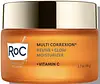
This brightening moisturizer is formulated around 3-O-Ethyl Ascorbic Acid to brighten dull-looking skin and refine skin texture.
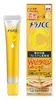
This brightening essence is formulated around Ascorbic Acid and Allantoin to brighten dull-looking skin and fade the look of dark spots.


What's inside
What's inside
 Key Ingredients
Benefits
Concerns
Ingredients Side-by-side
Water
Skin ConditioningDicaprylyl Carbonate
EmollientTrimethylolpropane Tricaprylate/Tricaprate
EmollientTridecyl Trimellitate
EmollientButylene Glycol
Humectant

Propanediol
Solvent
3-O-Ethyl Ascorbic Acid
Skin Conditioning





Nonapeptide-1
Skin Conditioning
Cistus Incanus Flower/Leaf/Stem Extract
Skin ConditioningSodium Lactate
Buffering
Butyrospermum Parkii Butter
Skin Conditioning




Pyrus Malus Fruit Extract
Skin Conditioning
Lens Esculenta Fruit Extract
Skin ConditioningPolygonum Aviculare Extract
EmollientCitrullus Lanatus Fruit Extract
Skin Conditioning
Troxerutin
Skin Conditioning
Polyglyceryl-3 Methylglucose Distearate
Emulsifying
Polyacrylate Crosspolymer-6
Emulsion StabilisingCetearyl Glucoside
Emulsifying
Cetearyl Alcohol
Emollient

Glycerin
Humectant
Dimethicone
Emollient
Caprylhydroxamic Acid
ChelatingMaltodextrin
Absorbent
Polysilicone-11

Ammonium Acryloyldimethyltaurate/Beheneth-25 Methacrylate Crosspolymer
Emulsion StabilisingSodium Phosphate
BufferingSodium PCA
Humectant
Sodium Citrate
BufferingCaprylyl Glycol
Emollient
Potassium Sorbate
Preservative
Disodium Phosphate
BufferingSodium Benzoate
Masking
1,2-Hexanediol
Skin Conditioning
Citric Acid
Buffering
Tetrasodium EDTA
ChelatingParfum
Masking


CI 15985
Cosmetic ColorantCI 19140
Cosmetic ColorantLimonene
Perfuming
Linalool
Perfuming
Citral
Perfuming
Water, Dicaprylyl Carbonate, Trimethylolpropane Tricaprylate/Tricaprate, Tridecyl Trimellitate, Butylene Glycol, Propanediol, 3-O-Ethyl Ascorbic Acid, Nonapeptide-1, Cistus Incanus Flower/Leaf/Stem Extract, Sodium Lactate, Butyrospermum Parkii Butter, Pyrus Malus Fruit Extract, Lens Esculenta Fruit Extract, Polygonum Aviculare Extract, Citrullus Lanatus Fruit Extract, Troxerutin, Polyglyceryl-3 Methylglucose Distearate, Polyacrylate Crosspolymer-6, Cetearyl Glucoside, Cetearyl Alcohol, Glycerin, Dimethicone, Caprylhydroxamic Acid, Maltodextrin, Polysilicone-11, Ammonium Acryloyldimethyltaurate/Beheneth-25 Methacrylate Crosspolymer, Sodium Phosphate, Sodium PCA, Sodium Citrate, Caprylyl Glycol, Potassium Sorbate, Disodium Phosphate, Sodium Benzoate, 1,2-Hexanediol, Citric Acid, Tetrasodium EDTA, Parfum, CI 15985, CI 19140, Limonene, Linalool, Citral
Ascorbic Acid
Antioxidant


Pyridoxine Hcl
Skin ConditioningAllantoin
Skin Conditioning
O-Cymen-5-Ol
Antimicrobial
3-O-Ethyl Ascorbic Acid
Skin Conditioning
Ascorbyl Glucoside
Antioxidant
Ascorbyl Tetraisopalmitate
Antioxidant
Tocopherol
Antioxidant
Alpinia Katsumadai Seed Extract
Skin ConditioningCitrus Limon Fruit Extract
Masking
Citrus Grandis Fruit Extract
Astringent
Serine
Masking
Butylene Glycol
Humectant
Propanediol
Solvent
Isopentyldiol
Humectant
Propylene Glycol
Humectant
PEG-8
HumectantAlcohol Denat.
Antimicrobial

Poe/Pop Decyl Tetradecyl Ether
Sodium Metabisulfite
Antioxidant
EDTA
ChelatingParfum
Masking
Ascorbic Acid, Pyridoxine Hcl, Allantoin, O-Cymen-5-Ol, 3-O-Ethyl Ascorbic Acid, Ascorbyl Glucoside, Ascorbyl Tetraisopalmitate, Tocopherol, Alpinia Katsumadai Seed Extract, Citrus Limon Fruit Extract, Citrus Grandis Fruit Extract, Serine, Butylene Glycol, Propanediol, Isopentyldiol, Propylene Glycol, PEG-8, Alcohol Denat., Poe/Pop Decyl Tetradecyl Ether, Sodium Metabisulfite, EDTA, Parfum
Reviews
Ingredients Explained
These ingredients are found in both products.
Ingredients higher up in an ingredient list are typically present in a larger amount.
3-O-Ethyl Ascorbic Acid is one of the most popular "stable" vitamin C derivatives in skincare.
Plain ascorbic acid is fantastic but notoriously fragile; it browns, oxidizes, and loses potency fast. So attaching an ethyl group to the third carbon of the molecule gives it some cool perks:
In a formula, it does the 3 classic vitamin C jobs: it acts as an antioxidant, helps brighten skin tone by inhibiting tyrosinase, and supports collagen.
The evidence is reasonably solid for a cosmetic ingredient; Liao and colleagues (2018) showed it's significantly more stable than ascorbic acid while still being effective.
A 2021 study by Zerbinati and colleagues tested a serum with 30% 3-O-ethyl-l-ascorbic acid and 1% lactic acid significantly increased collagen production, reduced UVB-induced DNA damage, and decreased melanin on a reconstructed pigmented skin model.
Typical real world usage sits around 0.5-5% (and 1-2% is common for daily serums).
Amounts up to 30% have been shown to be non-irritating on human skin samples, but two isolated cases reported allergic contact dermatitis so a patch test is sensible if you have reactive skin.
Learn more about 3-O-Ethyl Ascorbic AcidButylene Glycol (or BG) is used within cosmetic products for a few different reasons:
Overall, Butylene Glycol is a safe and well-rounded ingredient that works well with other ingredients.
Though this ingredient works well with most skin types, some people with sensitive skin may experience a reaction such as allergic rashes, closed comedones, or itchiness.
Learn more about Butylene GlycolParfum is a catch-all term for an ingredient or more that is used to give a scent to products.
Also called "fragrance", this ingredient can be a blend of hundreds of chemicals or plant oils. This means every product with "fragrance" or "parfum" in the ingredients list is a different mixture.
For instance, Habanolide is a proprietary trade name for a specific aroma chemical. When used as a fragrance ingredient in cosmetics, most aroma chemicals fall under the broad labeling category of “FRAGRANCE” or “PARFUM” according to EU and US regulations.
The term 'parfum' or 'fragrance' is not regulated in many countries. In many cases, it is up to the brand to define this term.
For instance, many brands choose to label themselves as "fragrance-free" because they are not using synthetic fragrances. However, their products may still contain ingredients such as essential oils that are considered a fragrance by INCI standards.
One example is Calendula flower extract. Calendula is an essential oil that still imparts a scent or 'fragrance'.
Depending on the blend, the ingredients in the mixture can cause allergies and sensitivities on the skin. Some ingredients that are known EU allergens include linalool and citronellol.
Parfum can also be used to mask or cover an unpleasant scent.
The bottom line is: not all fragrances/parfum/ingredients are created equally. If you are worried about fragrances, we recommend taking a closer look at an ingredient. And of course, we always recommend speaking with a professional.
Learn more about ParfumPropanediol is an all-star ingredient. It softens, hydrates, and smooths the skin.
It’s often used to:
Propanediol is not likely to cause sensitivity and considered safe to use. It is derived from corn or petroleum with a clear color and no scent.
Learn more about Propanediol

