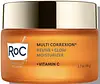
This brightening moisturizer is formulated around 3-O-Ethyl Ascorbic Acid to brighten dull-looking skin and refine skin texture.
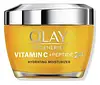
This brightening moisturizer is formulated around Niacinamide and 3-O-Ethyl Ascorbic Acid to brighten dull-looking skin and soften the look of wrinkles.


What's inside
What's inside
 Key Ingredients
Benefits
Concerns
Ingredients Side-by-side
Water
Skin ConditioningDicaprylyl Carbonate
EmollientTrimethylolpropane Tricaprylate/Tricaprate
EmollientTridecyl Trimellitate
EmollientButylene Glycol
Humectant

Propanediol
Solvent
3-O-Ethyl Ascorbic Acid
Skin Conditioning





Nonapeptide-1
Skin Conditioning
Cistus Incanus Flower/Leaf/Stem Extract
Skin ConditioningSodium Lactate
Buffering
Butyrospermum Parkii Butter
Skin Conditioning




Pyrus Malus Fruit Extract
Skin Conditioning
Lens Esculenta Fruit Extract
Skin ConditioningPolygonum Aviculare Extract
EmollientCitrullus Lanatus Fruit Extract
Skin Conditioning
Troxerutin
Skin Conditioning
Polyglyceryl-3 Methylglucose Distearate
Emulsifying
Polyacrylate Crosspolymer-6
Emulsion StabilisingCetearyl Glucoside
Emulsifying
Cetearyl Alcohol
Emollient

Glycerin
Humectant
Dimethicone
Emollient
Caprylhydroxamic Acid
ChelatingMaltodextrin
Absorbent
Polysilicone-11

Ammonium Acryloyldimethyltaurate/Beheneth-25 Methacrylate Crosspolymer
Emulsion StabilisingSodium Phosphate
BufferingSodium PCA
Humectant
Sodium Citrate
BufferingCaprylyl Glycol
Emollient
Potassium Sorbate
Preservative
Disodium Phosphate
BufferingSodium Benzoate
Masking
1,2-Hexanediol
Skin Conditioning
Citric Acid
Buffering
Tetrasodium EDTA
ChelatingParfum
Masking


CI 15985
Cosmetic ColorantCI 19140
Cosmetic ColorantLimonene
Perfuming
Linalool
Perfuming
Citral
Perfuming
Water, Dicaprylyl Carbonate, Trimethylolpropane Tricaprylate/Tricaprate, Tridecyl Trimellitate, Butylene Glycol, Propanediol, 3-O-Ethyl Ascorbic Acid, Nonapeptide-1, Cistus Incanus Flower/Leaf/Stem Extract, Sodium Lactate, Butyrospermum Parkii Butter, Pyrus Malus Fruit Extract, Lens Esculenta Fruit Extract, Polygonum Aviculare Extract, Citrullus Lanatus Fruit Extract, Troxerutin, Polyglyceryl-3 Methylglucose Distearate, Polyacrylate Crosspolymer-6, Cetearyl Glucoside, Cetearyl Alcohol, Glycerin, Dimethicone, Caprylhydroxamic Acid, Maltodextrin, Polysilicone-11, Ammonium Acryloyldimethyltaurate/Beheneth-25 Methacrylate Crosspolymer, Sodium Phosphate, Sodium PCA, Sodium Citrate, Caprylyl Glycol, Potassium Sorbate, Disodium Phosphate, Sodium Benzoate, 1,2-Hexanediol, Citric Acid, Tetrasodium EDTA, Parfum, CI 15985, CI 19140, Limonene, Linalool, Citral
Water
Skin ConditioningGlycerin
Humectant
Isohexadecane
EmollientNiacinamide
Smoothing



Dimethicone
Emollient
Lactic Acid
Buffering
Isopropyl Isostearate
Emollient
Sodium Polyacryloyldimethyl Taurate
Emulsion StabilisingStearyl Alcohol
Emollient
3-O-Ethyl Ascorbic Acid
Skin Conditioning
Palmitoyl Pentapeptide-4
Skin Conditioning
Panthenol
Skin Conditioning
Sodium Lactate
Buffering
Trehalose
Humectant
Cetearyl Glucoside
Emulsifying
Cetearyl Alcohol
Emollient
Behenyl Alcohol
Emollient
Cetyl Alcohol
Emollient
Stearic Acid
Cleansing
Palmitic Acid
Emollient
Dimethiconol
Emollient
PEG-100 Stearate
Surfactant
Sodium Benzoate
Masking
Parfum
Masking
Ascorbic Acid
Antioxidant
Avena Sativa Peptide
Skin Conditioning
Water, Glycerin, Isohexadecane, Niacinamide, Dimethicone, Lactic Acid, Isopropyl Isostearate, Sodium Polyacryloyldimethyl Taurate, Stearyl Alcohol, 3-O-Ethyl Ascorbic Acid, Palmitoyl Pentapeptide-4, Panthenol, Sodium Lactate, Trehalose, Cetearyl Glucoside, Cetearyl Alcohol, Behenyl Alcohol, Cetyl Alcohol, Stearic Acid, Palmitic Acid, Dimethiconol, PEG-100 Stearate, Sodium Benzoate, Parfum, Ascorbic Acid, Avena Sativa Peptide
Reviews
Ingredients Explained
These ingredients are found in both products.
Ingredients higher up in an ingredient list are typically present in a larger amount.
3-O-Ethyl Ascorbic Acid is one of the most popular "stable" vitamin C derivatives in skincare.
Plain ascorbic acid is fantastic but notoriously fragile; it browns, oxidizes, and loses potency fast. So attaching an ethyl group to the third carbon of the molecule gives it some cool perks:
In a formula, it does the 3 classic vitamin C jobs: it acts as an antioxidant, helps brighten skin tone by inhibiting tyrosinase, and supports collagen.
The evidence is reasonably solid for a cosmetic ingredient; Liao and colleagues (2018) showed it's significantly more stable than ascorbic acid while still being effective.
A 2021 study by Zerbinati and colleagues tested a serum with 30% 3-O-ethyl-l-ascorbic acid and 1% lactic acid significantly increased collagen production, reduced UVB-induced DNA damage, and decreased melanin on a reconstructed pigmented skin model.
Typical real world usage sits around 0.5-5% (and 1-2% is common for daily serums).
Amounts up to 30% have been shown to be non-irritating on human skin samples, but two isolated cases reported allergic contact dermatitis so a patch test is sensible if you have reactive skin.
Learn more about 3-O-Ethyl Ascorbic AcidCetearyl alcohol is a waxy mixture of two fatty alcohols: cetyl alcohol and stearyl alcohol. It is an emollient and emulsifier.
Despite having "alcohol" in its name, it has nothing to do with drying solvent alcohols; the FDA also allows "alcohol-free" products to contain fatty alcohols like this ingredient.
It plays several roles in a formula:
Typical use levels for this ingredient sit around 1-10% and the Cosmetic Ingredient Review Expert Panel has affirmed safety at concentrations up to 25% in leave-on products.
Multiple assessments have found it to be non-irritating and non-sensitizing to most people.
However, there have been some cases of allergic contact dermatitis in patients with chronically compromised skin barriers.
Cetearyl alcohol has a comedogenic rating of 2 and irritancy rating of 1. Both of these numbers come from the 1989 study that used rabbit ears; a "2" means mildly comedogenic and a "1" means low irritancy.
Here's the catch: rabbit skin is more sensitive than human skin and throws a lot of false positives. A 1996 reappraisal found that ingredients rated 1-2 in the rabbit ear tests are generally safe for humans.
Remember comedogenic ratings are unable to assess the entire formula of a product or how it will react on your skin. Just be sure to patch test if you are unsure about certain ingredients.
This ingredient is not fungal acne safe. Cetearyl alcohol is a fatty alcohol with chain lengths that fall within the range that Malassezia can metabolize.
A 2019 study has also observed Malassezia growth in the presence of this ingredient, confirming it to be not-fungal acne safe.
Learn more about Cetearyl AlcoholCetearyl Glucoside is a sugar-based emulsifier. It is usually made by combining cetearyl alcohol and glucose.
Belonging to the aklyl polyglucoside (APG) family, Cetearyl Glucoside has a sugar "head" that loves water and a fatty "tail" that loves oil. This means it can shuffle oil and water into a stable and smooth emulsion.
Typical use levels are between 1-5% and this ingredient is considered to be non-irritating by the CIR Expert Panel Review.
Once applied, your skin's glucoside hydrolases breaks it down to the parent fatty alcohol and glucose. This is why this ingredient may not be fungal acne safe.
Learn more about Cetearyl GlucosideDimethicone is a type of synthetic silicone created from natural materials such as quartz. It is also known as polydimethylsiloxane.
What it does:
Dimethicone comes in different viscosities:
Depending on the viscosity, dimethicone has different properties.
Ingredients lists don't always show which type is used, so we recommend reaching out to the brand if you have questions about the viscosity.
This ingredient is unlikely to cause irritation because it does not get absorbed into skin. However, people with silicone allergies should be careful about using this ingredient.
Note: Dimethicone may contribute to pilling. This is because it is not oil or water soluble, so pilling may occur when layered with products. When mixed with heavy oils in a formula, the outcome is also quite greasy.
Learn more about DimethiconeGlycerin (or glycerol) is a compound naturally found in your skin. It's a powerhouse humectant that pulls water into the stratum corneum.
Topically, glycerin does several things at once:
Your skin makes glycerin on its own (mostly from sebaceous oil breakdown) and shuttles it to your outermost layer of skin, or your epidermis, via aquaporin-3.
Aquaporin-3 is a transporter that is essential for normal skin hydration, elasticity, and repair. Interestingly, mice lacking in AQP3 have dry and less elastic skin that can be fully corrected with glycerin.
This ingredient is non-irritating, plays well with almost every ingredient, and works across all skin types. Typical use is anywhere between 3-10% but can go up to 79% in some leave-on products.
Just know very high concentrations (>40%) can feel tacky in low humidity.
Glycerin is the name for this ingredient in American English. British English uses Glycerol/Glycerine.
Learn more about GlycerinParfum is a catch-all term for an ingredient or more that is used to give a scent to products.
Also called "fragrance", this ingredient can be a blend of hundreds of chemicals or plant oils. This means every product with "fragrance" or "parfum" in the ingredients list is a different mixture.
For instance, Habanolide is a proprietary trade name for a specific aroma chemical. When used as a fragrance ingredient in cosmetics, most aroma chemicals fall under the broad labeling category of “FRAGRANCE” or “PARFUM” according to EU and US regulations.
The term 'parfum' or 'fragrance' is not regulated in many countries. In many cases, it is up to the brand to define this term.
For instance, many brands choose to label themselves as "fragrance-free" because they are not using synthetic fragrances. However, their products may still contain ingredients such as essential oils that are considered a fragrance by INCI standards.
One example is Calendula flower extract. Calendula is an essential oil that still imparts a scent or 'fragrance'.
Depending on the blend, the ingredients in the mixture can cause allergies and sensitivities on the skin. Some ingredients that are known EU allergens include linalool and citronellol.
Parfum can also be used to mask or cover an unpleasant scent.
The bottom line is: not all fragrances/parfum/ingredients are created equally. If you are worried about fragrances, we recommend taking a closer look at an ingredient. And of course, we always recommend speaking with a professional.
Learn more about ParfumSodium Benzoate is a preservative. It's used in both cosmetic and food products to inhibit the growth of mold and bacteria. It is typically produced synthetically.
Both the US FDA and EU Health Committee have approved the use of sodium benzoate. In the US, levels of 0.1% (of the total product) are allowed.
Sodium benzoate works as a preservative by inhibiting the growth of bacteria inside of cells. It prevents the cell from fermenting a type of sugar using an enzyme called phosphofructokinase.
It is the salt of benzoic acid. Foods containing sodium benzoate include soda, salad dressings, condiments, fruit juices, wines, and snack foods.
Studies for using ascorbic acid and sodium benzoate in cosmetics are lacking, especially in skincare routines with multiple steps.
We always recommend speaking with a professional, such as a dermatologist, if you have any concerns.
Learn more about Sodium BenzoateSodium Lactate is the sodium salt of lactic acid, an AHA. It is a humectant and sometimes used to adjust the pH of a product.
This ingredient is part of our skin's NMF, or natural moisturizing factor. Our NMF is essential for the hydration of our top skin layers and plasticity of skin. NMF also influences our skin's natural acid mantle and pH, which protects our skin from harmful bacteria.
High percentages of Sodium Lactate can have an exfoliating effect.
Fun fact: Sodium Lactate is produced from fermented sugar.
Learn more about Sodium LactateWater. It's the most common cosmetic ingredient of all. You'll usually see it at the top of ingredient lists, meaning that it makes up the largest part of the product.
So why is it so popular? Water most often acts as a solvent - this means that it helps dissolve other ingredients into the formulation.
You'll also recognize water as that liquid we all need to stay alive. If you see this, drink a glass of water. Remember to stay hydrated!
Learn more about Water

