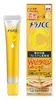
This brightening essence is formulated around Ascorbic Acid and Allantoin to brighten dull-looking skin and fade the look of dark spots.
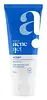
This acne exfoliator is formulated around Sulfur and Salicylic Acid to clear breakouts and refine skin texture.


What's inside
What's inside
 Key Ingredients
Benefits
Concerns
Ingredients Side-by-side
Ascorbic Acid
Antioxidant






Pyridoxine Hcl
Skin ConditioningAllantoin
Skin Conditioning



O-Cymen-5-Ol
Antimicrobial
3-O-Ethyl Ascorbic Acid
Skin Conditioning
Ascorbyl Glucoside
Antioxidant
Ascorbyl Tetraisopalmitate
Antioxidant

Tocopherol
Antioxidant
Alpinia Katsumadai Seed Extract
Skin ConditioningCitrus Limon Fruit Extract
Masking
Citrus Grandis Fruit Extract
Astringent
Serine
Masking
Butylene Glycol
Humectant
Propanediol
Solvent
Isopentyldiol
Humectant
Propylene Glycol
Humectant
PEG-8
HumectantAlcohol Denat.
Antimicrobial

Poe/Pop Decyl Tetradecyl Ether
Sodium Metabisulfite
Antioxidant
EDTA
ChelatingParfum
Masking
Ascorbic Acid, Pyridoxine Hcl, Allantoin, O-Cymen-5-Ol, 3-O-Ethyl Ascorbic Acid, Ascorbyl Glucoside, Ascorbyl Tetraisopalmitate, Tocopherol, Alpinia Katsumadai Seed Extract, Citrus Limon Fruit Extract, Citrus Grandis Fruit Extract, Serine, Butylene Glycol, Propanediol, Isopentyldiol, Propylene Glycol, PEG-8, Alcohol Denat., Poe/Pop Decyl Tetradecyl Ether, Sodium Metabisulfite, EDTA, Parfum
Water
Skin ConditioningPEG-7 Glyceryl Cocoate
Emulsifying
Myristic Acid
Cleansing
Glycerin
Humectant
Palmitic Acid
Emollient
Stearic Acid
Cleansing
PEG-400
Emulsion StabilisingCocamide DEA
Emulsifying
Triethanolamine
BufferingSodium Laureth Sulfate
Cleansing
Sulfur
Antiseborrhoeic
Salicylic Acid
Masking

Synthetic Wax
Abrasive
Sodium Hydroxide
BufferingParfum
Masking
Propylene Glycol
Humectant
Diazolidinyl Urea
Preservative
Xylitylglucoside
Humectant
Methylparaben
Preservative

Xanthan Gum
EmulsifyingDisodium EDTA
ChelatingAnhydroxylitol
Humectant
Caprylic/Capric Glycerides
EmollientXylitol
Humectant
CI 47005
Cosmetic ColorantCellulose Gum
Emulsion StabilisingPropylparaben
Preservative
CI 42090
Cosmetic ColorantGlucose
Humectant
CI 77499
Cosmetic ColorantWater, PEG-7 Glyceryl Cocoate, Myristic Acid, Glycerin, Palmitic Acid, Stearic Acid, PEG-400, Cocamide DEA, Triethanolamine, Sodium Laureth Sulfate, Sulfur, Salicylic Acid, Synthetic Wax, Sodium Hydroxide, Parfum, Propylene Glycol, Diazolidinyl Urea, Xylitylglucoside, Methylparaben, Xanthan Gum, Disodium EDTA, Anhydroxylitol, Caprylic/Capric Glycerides, Xylitol, CI 47005, Cellulose Gum, Propylparaben, CI 42090, Glucose, CI 77499
Reviews
Ingredients Explained
These ingredients are found in both products.
Ingredients higher up in an ingredient list are typically present in a larger amount.
Parfum is a catch-all term for an ingredient or more that is used to give a scent to products.
Also called "fragrance", this ingredient can be a blend of hundreds of chemicals or plant oils. This means every product with "fragrance" or "parfum" in the ingredients list is a different mixture.
For instance, Habanolide is a proprietary trade name for a specific aroma chemical. When used as a fragrance ingredient in cosmetics, most aroma chemicals fall under the broad labeling category of “FRAGRANCE” or “PARFUM” according to EU and US regulations.
The term 'parfum' or 'fragrance' is not regulated in many countries. In many cases, it is up to the brand to define this term.
For instance, many brands choose to label themselves as "fragrance-free" because they are not using synthetic fragrances. However, their products may still contain ingredients such as essential oils that are considered a fragrance by INCI standards.
One example is Calendula flower extract. Calendula is an essential oil that still imparts a scent or 'fragrance'.
Depending on the blend, the ingredients in the mixture can cause allergies and sensitivities on the skin. Some ingredients that are known EU allergens include linalool and citronellol.
Parfum can also be used to mask or cover an unpleasant scent.
The bottom line is: not all fragrances/parfum/ingredients are created equally. If you are worried about fragrances, we recommend taking a closer look at an ingredient. And of course, we always recommend speaking with a professional.
Learn more about ParfumPropylene Glycol is a synthetic, colorless, odorless liquid that has been a staple in cosmetics for decades. It is a skin conditioning agent, humectant, and solvent.
As a humectant, it draw water to the skin to reduce flaking and restore suppleness. It's also a solvent that helps dissolve other actives and keeps formulas stable across temperature changes.
The CIR Expert Panel has confirmed this ingredient to be nontoxic and clinical studies show no sensitization at cosmetic use concentrations.
True allergic reactions are quite rare: a 15-year retrospective study of 6,751 patients found only 0.31% had a positive reaction (and less than half were considered clinically relevant).
It seemed that when sensitization does occur, it's most commonly linked to topical medication (like corticosteroids) and not cosmetics. Allergic contact dermatitis also appears largely limited to individuals with underlying skin conditions.
Overall, propylene glycol is a well-studied ingredient that most people can tolerate without issue.
Learn more about Propylene Glycol

