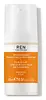
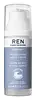
REN Clean Skincare Brightening Dark Circle Eye Cream Versus REN Clean Skincare V-Cense Revitalising Night Cream
This eye moisturizer is formulated around Avena Sativa Kernel Oil to hydrate skin.
This barrier-repair night moisturizer is formulated around Butyrospermum Parkii Butter and Camellia Oleifera Seed Oil to strengthen the skin barrier and hydrate skin.

What's inside
What's inside
 Key Ingredients
Benefits
Concerns
Ingredients Side-by-side
Water
Skin ConditioningUndecane
EmollientGlycerin
Humectant


Caprylic/Capric Triglyceride
Masking
Tridecane
Perfuming

Polyglyceryl-3 Polyricinoleate
Emulsifying

Polyglyceryl-4 Isostearate
Emulsifying
Butyrospermum Parkii Butter
Skin Conditioning


Shea Butter Ethyl Esters
Emollient
Avena Sativa Kernel Oil
Skin Conditioning


Sorbitol
Humectant
Simmondsia Chinensis Seed Oil
Emollient
Jojoba Esters
Emollient
Xylitylglucoside
Humectant
Silica
Abrasive


Sodium Chloride
MaskingAnhydroxylitol
Humectant
Coco-Caprylate/Caprate
Emollient
Helianthus Annuus Seed Wax
Skin Conditioning
Propanediol
Solvent
Benzyl Alcohol
Perfuming



Hydroxyacetophenone
Antioxidant
Stearalkonium Hectorite
Gel FormingXylitol
Humectant
Glycogen
HumectantPolyglyceryl-3 Ricinoleate
Emulsifying
Disteardimonium Hectorite
StabilisingSodium Hyaluronate
Humectant

Propylene Carbonate
SolventGlucose
Humectant
Sambucus Nigra Flower Extract
RefreshingAcacia Decurrens Flower Wax
Emollient
Polyglycerin-3
Humectant
Tocopherol
Antioxidant


Citric Acid
Buffering
Water, Undecane, Glycerin, Caprylic/Capric Triglyceride, Tridecane, Polyglyceryl-3 Polyricinoleate, Polyglyceryl-4 Isostearate, Butyrospermum Parkii Butter, Shea Butter Ethyl Esters, Avena Sativa Kernel Oil, Sorbitol, Simmondsia Chinensis Seed Oil, Jojoba Esters, Xylitylglucoside, Silica, Sodium Chloride, Anhydroxylitol, Coco-Caprylate/Caprate, Helianthus Annuus Seed Wax, Propanediol, Benzyl Alcohol, Hydroxyacetophenone, Stearalkonium Hectorite, Xylitol, Glycogen, Polyglyceryl-3 Ricinoleate, Disteardimonium Hectorite, Sodium Hyaluronate, Propylene Carbonate, Glucose, Sambucus Nigra Flower Extract, Acacia Decurrens Flower Wax, Polyglycerin-3, Tocopherol, Citric Acid
Water
Skin ConditioningCaprylic/Capric Triglyceride
Masking
Cetearyl Alcohol
Emollient
Cetearyl Ethylhexanoate
Emollient
Butyrospermum Parkii Butter
Skin Conditioning
Camellia Oleifera Seed Oil
Skin Conditioning
Citrus Aurantium Dulcis Fruit Extract
MaskingGlycerin
Humectant
Myristyl Myristate
Emollient
Lauryl Laurate
Skin Conditioning
Triheptanoin
Skin ConditioningTriticum Vulgare Germ Oil
Emollient
Cetearyl Glucoside
Emulsifying
Oryzanol
Skin ConditioningMyristyl Laurate
SurfactantEthylhexylglycerin
Skin ConditioningBoswellia Carterii Oil
Masking
Carbomer
Emulsion StabilisingHelianthus Annuus Seed Oil
Emollient
Boswellia Serrata Extract
Skin Conditioning
Phenoxyethanol
Preservative
Sodium Dehydroacetate
Preservative
Tocopherol
Antioxidant
Glucose
Humectant
Parfum
Masking
Zea Mays Oil
Emulsifying
Daucus Carota Sativa Root Extract
Skin Conditioning
Daucus Carota Sativa Seed Oil
Emollient
Ascorbyl Palmitate
Antioxidant
Sodium Hydroxide
BufferingCitric Acid
Buffering
Water, Caprylic/Capric Triglyceride, Cetearyl Alcohol, Cetearyl Ethylhexanoate, Butyrospermum Parkii Butter, Camellia Oleifera Seed Oil, Citrus Aurantium Dulcis Fruit Extract, Glycerin, Myristyl Myristate, Lauryl Laurate, Triheptanoin, Triticum Vulgare Germ Oil, Cetearyl Glucoside, Oryzanol, Myristyl Laurate, Ethylhexylglycerin, Boswellia Carterii Oil, Carbomer, Helianthus Annuus Seed Oil, Boswellia Serrata Extract, Phenoxyethanol, Sodium Dehydroacetate, Tocopherol, Glucose, Parfum, Zea Mays Oil, Daucus Carota Sativa Root Extract, Daucus Carota Sativa Seed Oil, Ascorbyl Palmitate, Sodium Hydroxide, Citric Acid
Reviews
Ingredients Explained
These ingredients are found in both products.
Ingredients higher up in an ingredient list are typically present in a larger amount.
This ingredient is also known as shea butter. It is a plant-derived extract from the nuts of the Africa shea tree and one of the most well-studied emollients.
Because it has a high concentration of fatty acids (primarily oleic, stearic, and linoleic) it is able to form a protective barrier on the skin's surface. This helps seal in moisture and prevents transepidermal water loss (TEWL).
In vitro research found an increase in skin hydration by 58% and a decrease in TEWL by 37.8% after 24 hours of applying this ingredient (pretty impressive for a single ingredient!).
Besides hydration, shea butter also contains triterpenes that have anti-inflammatory potential. In particule, lupeol cinnamate has shown the highest anti-inflammatory activity in vivo.
Shea butter also contains vitamins A and E which may contribute to antioxidant activity.
While Shea Butter has an SPF rating of about 3-4, it is not a sunscreen replacement.
This ingredient may not be fungal acne safe because its fatty acids fall within the C11-C24 range that the Malassezia yeast can metabolize.
This ingredient shows up on a lot of "pore-clogging" lists but there's no real evidence behind that. It doesn't even have a comedogenic rating from an actual study; the numbers you'll find online come from blogs citing other blogs.
Ratings for other ingredients mostly come from a 1980s rabbit ear test. This test doesn't translate well to human skin or to real products because the ingredient sits at a much lower percentage.
Some people still find it breaks them out. So if that's you, definitely trust your skin. Just know this one's based on experience and not evidence.
Learn more about Butyrospermum Parkii ButterCaprylic/Capric Triglyceride (aka MCT Oil) is a lightweight emollient, solvent, and texture enhancer. It is considered a skin-softener by helping to prevent moisture loss.
Though it behaves like an oil, it is not technically one due to its chemical composition. One perk of this ingredient is that it is very stable, resistant to oxidation, and unlikely to go rancid.
In practice, that translates to a long shelf life and a consistently elegant skin feel.
While there is an assumption Caprylic Triglyceride can clog pores due to it being derived from coconut oil, there is no research supporting this. Just patch test if you have concerns.
Fractionated coconut oil and MCT Oil are both listed as Caprylic/Capric Triglyceride according to INCI. This is because INCI names are based on the ingredient’s final chemical composition and not its marketing name or source.
This ingredient is treated as the gold standard fungal acne safe oil. Even though it is coconut derived, the problematic lauric acid is stripped out.
This leaves just caprylic (C8) and capric (C10) acid. These chain lengths actually trend antifungal; a 2020 study found caprylic acid was enough to disrupt Malassezia furfur cell membrane, with a caprylic acid derivative damaging membrane structures at concentrations as low as 0.2%.
Learn more about Caprylic/Capric TriglycerideCitric Acid is an alpha hydroxy acid (AHA) naturally found in citrus fruits like oranges, lemons, and limes.
Like other AHAs, citric acid can exfoliate skin by breaking down the bonds that hold dead skin cells together. This helps reveal smoother and brighter skin underneath.
However, this exfoliating effect only happens at high concentrations (20%) which can be hard to find in cosmetic products.
Due to this, citric acid is usually included in small amounts as a pH adjuster. This helps keep products slightly more acidic and compatible with skin's natural pH.
In skincare formulas, citric acid can:
While it can provide some skin benefits, research shows lactic acid and glycolic acid are generally more effective and less irritating exfoliants.
Most citric acid used in skincare today is made by fermenting sugars (usually from molasses). This synthetic version is identical to the natural citrus form but easier to stabilize and use in formulations.
Rosacea skin has a lower threshold for acids generally, with 62.5% of rosacea subjects in one study reacting to lactic acid in a sting test. This is why we mark citric acid as a potential rosacea trigger.
However, this ingredient shows up as a pH adjuster or chelator at roughly 0.1-1% in many products. These low levels are unlikely to be an issue for rosacea skin and becomes a potential trigger at exfoliating concentrations (20%). Because everybody's skin is unique, we recommend a patch test if you are unsure.
Learn more about Citric AcidGlucose is a simple sugar (a monosaccharide). In skincare, it is mostly a humectant and skin conditioning agent.
Mechanistically, it has multiple hydroxyl groups that hydrogen-bond to water. This pulls moisture into the upper layers of skin to keep the surface soft and hydrated.
It's worth knowing sugars are already a natural component of the skin's NMF (natural moisturizing factor) so it's a molecule that your stratum corneum is well-acquainted with.
Just so you know, glucose is hydrophilic (water-loving) and the stratum corneum is a strong barrier to hydrophilic compounds. This just means penetration is slow and most of the action is happening on the surface.
Gram-to-gram, glucose is not as efficient as a humectant as glycerin. This is why you'll likely see glycose paired with stronger humectants for a bigger hydration payoff.
In skincare, glucose is typically derived from corn or other starch sources.
Learn more about GlucoseGlycerin (or glycerol) is a compound naturally found in your skin. It's a powerhouse humectant that pulls water into the stratum corneum.
Topically, glycerin does several things at once:
Your skin makes glycerin on its own (mostly from sebaceous oil breakdown) and shuttles it to your outermost layer of skin, or your epidermis, via aquaporin-3.
Aquaporin-3 is a transporter that is essential for normal skin hydration, elasticity, and repair. Interestingly, mice lacking in AQP3 have dry and less elastic skin that can be fully corrected with glycerin.
This ingredient is non-irritating, plays well with almost every ingredient, and works across all skin types. Typical use is anywhere between 3-10% but can go up to 79% in some leave-on products.
Just know very high concentrations (>40%) can feel tacky in low humidity.
Glycerin is the name for this ingredient in American English. British English uses Glycerol/Glycerine.
Learn more about GlycerinTocopherol is a fat-soluble antioxidant known as Vitamin E.
You'll find this ingredient in the vast majority of skincare (for good reason). It works to neutralize free radicals, or unstable molecules generated by UV exposure, pollution, and other environmental stressors, before they can cause oxidative damage to your skin cells.
Topically applied tocopherol has been shown to protect against UV damage by ramping up the skin's own natural defense enzymes.
It also acts as a skin conditioning agent; some studies show that regular topical use can improve the skin's water-binding capacity over 2-4 weeks.
This ingredient is especially loved for being a team player. When combined with Vitamin C, the photoprotective effect of both ingredients roughly doubles and the combo also helps reduce UV-induced DNA damage.
This ingredient has some brightening potential but it's more of a prevention ingredient than spot-fader. Cell studies show it can slow down melanin production but it's worth noting that it's not the most powerful brightener out there.
In formulations, it also serves as a stabilizer that helps protect other oxidation-prone ingredients from degrading.
Concentrations usually range from 0.1-1% in most leave-on products.
Learn more about TocopherolWater. It's the most common cosmetic ingredient of all. You'll usually see it at the top of ingredient lists, meaning that it makes up the largest part of the product.
So why is it so popular? Water most often acts as a solvent - this means that it helps dissolve other ingredients into the formulation.
You'll also recognize water as that liquid we all need to stay alive. If you see this, drink a glass of water. Remember to stay hydrated!
Learn more about Water

