Pyunkang Yul Black Tea Time Reverse Eye Cream Versus Avène Hyaluron Activ Procedure Retinal 0.05% Eye And Lip Micro-Lift Cream
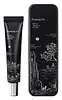
This anti-aging eye moisturizer is formulated around Niacinamide and Saccharomyces/Xylinum/Black Tea Ferment to soften the look of wrinkles and strengthen the skin barrier.
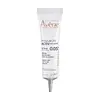
This anti-aging eye moisturizer is formulated around Niacinamide and Retinal to soften the look of wrinkles and refine skin texture.


What's inside
What's inside
 Key Ingredients
Benefits
Concerns
Ingredients Side-by-side
Water
Skin ConditioningGlycerin
Humectant


Methylpropanediol
SolventCaprylic/Capric Triglyceride
Masking
Cetearyl Alcohol
Emollient





Macadamia Ternifolia Seed Oil
Emollient
Hydrogenated Polydecene
EmollientNiacinamide
Smoothing









Butyrospermum Parkii Butter
Skin Conditioning
Glyceryl Stearate
Emollient
Beeswax
Emulsion Stabilising
Saccharomyces/Xylinum/Black Tea Ferment
Skin Conditioning
Arachidyl Alcohol
Emollient
Behenyl Alcohol
Emollient
Arachidyl Glucoside
EmulsifyingPhenyl Trimethicone
Skin Conditioning
Cetearyl Glucoside
Emulsifying
Sorbitan Stearate
Emulsifying
Cellulose Gum
Emulsion StabilisingSodium Hyaluronate
Humectant
Hydrolyzed Hyaluronic Acid
Humectant
Sodium Acetylated Hyaluronate
Humectant
Hydroxyethylcellulose
Emulsion StabilisingBroussonetia Kazinoki Root Extract
Skin ConditioningPunica Granatum Fruit Extract
Antioxidant
Coptis Japonica Extract
AntimicrobialCentella Asiatica Extract
Cleansing
Adenosine
Skin Conditioning
Ceramide NP
Skin Conditioning
Yeast Beta-Glucan
Skin ConditioningCopper Tripeptide-1
Skin Conditioning
Acetyl Hexapeptide-8
Humectant
Hydrogenated Lecithin
Emulsifying
Carbomer
Emulsion StabilisingButylene Glycol
Humectant
Hydroxyacetophenone
Antioxidant
Myrtus Communis Extract
AstringentTropaeolum Majus Extract
AntimicrobialTromethamine
BufferingDisodium EDTA
ChelatingOctyldodecanol
Emollient
Caprylyl Glycol
Emollient
Ethylhexylglycerin
Skin Conditioning1,2-Hexanediol
Skin Conditioning
Water, Glycerin, Methylpropanediol, Caprylic/Capric Triglyceride, Cetearyl Alcohol, Macadamia Ternifolia Seed Oil, Hydrogenated Polydecene, Niacinamide, Butyrospermum Parkii Butter, Glyceryl Stearate, Beeswax, Saccharomyces/Xylinum/Black Tea Ferment, Arachidyl Alcohol, Behenyl Alcohol, Arachidyl Glucoside, Phenyl Trimethicone, Cetearyl Glucoside, Sorbitan Stearate, Cellulose Gum, Sodium Hyaluronate, Hydrolyzed Hyaluronic Acid, Sodium Acetylated Hyaluronate, Hydroxyethylcellulose, Broussonetia Kazinoki Root Extract, Punica Granatum Fruit Extract, Coptis Japonica Extract, Centella Asiatica Extract, Adenosine, Ceramide NP, Yeast Beta-Glucan, Copper Tripeptide-1, Acetyl Hexapeptide-8, Hydrogenated Lecithin, Carbomer, Butylene Glycol, Hydroxyacetophenone, Myrtus Communis Extract, Tropaeolum Majus Extract, Tromethamine, Disodium EDTA, Octyldodecanol, Caprylyl Glycol, Ethylhexylglycerin, 1,2-Hexanediol
Water
Skin ConditioningCaprylic/Capric Triglyceride
Masking
Glycerin
Humectant
Squalane
Emollient
Butyrospermum Parkii Butter
Skin Conditioning
Carthamus Tinctorius Seed Oil
Masking
Pentaerythrityl Tetracaprylate/Tetracaprate
EmollientCetearyl Alcohol
Emollient
Behenyl Alcohol
Emollient
Niacinamide
Smoothing
C20-22 Alkyl Phosphate
EmulsifyingC20-22 Alcohols
Emulsion Stabilising
Acacia Senegal Gum
MaskingCetearyl Glucoside
Emulsifying
Helianthus Annuus Seed Oil
Emollient
Retinal
Skin Conditioning

Sodium Benzoate
Masking
Sodium Hyaluronate
Humectant
Sodium Hydroxide
BufferingTocopherol
Antioxidant
Tocopheryl Glucoside
EmollientXanthan Gum
EmulsifyingWater, Caprylic/Capric Triglyceride, Glycerin, Squalane, Butyrospermum Parkii Butter, Carthamus Tinctorius Seed Oil, Pentaerythrityl Tetracaprylate/Tetracaprate, Cetearyl Alcohol, Behenyl Alcohol, Niacinamide, C20-22 Alkyl Phosphate, C20-22 Alcohols, Acacia Senegal Gum, Cetearyl Glucoside, Helianthus Annuus Seed Oil, Retinal, Sodium Benzoate, Sodium Hyaluronate, Sodium Hydroxide, Tocopherol, Tocopheryl Glucoside, Xanthan Gum
Reviews
Ingredients Explained
These ingredients are found in both products.
Ingredients higher up in an ingredient list are typically present in a larger amount.
Behenyl Alcohol is a type of fatty alcohol (these are different from the drying, solvent alcohols).
Fatty Alcohols have hydrating properties and are most often used as an emollient or to thicken a product. They are usually derived from natural fats and oils; behenyl alcohol is derived from the fats of vegetable oils.
Emollients help keep your skin soft and hydrated by creating a film that traps moisture in.
In 2000, Behenyl Alcohol was approved by the US as medicine to reduce the duration of cold sores.
Learn more about Behenyl AlcoholThis ingredient is also known as shea butter. It is a plant-derived extract from the nuts of the Africa shea tree and one of the most well-studied emollients.
Because it has a high concentration of fatty acids (primarily oleic, stearic, and linoleic) it is able to form a protective barrier on the skin's surface. This helps seal in moisture and prevents transepidermal water loss (TEWL).
In vitro research found an increase in skin hydration by 58% and a decrease in TEWL by 37.8% after 24 hours of applying this ingredient (pretty impressive for a single ingredient!).
Besides hydration, shea butter also contains triterpenes that have anti-inflammatory potential. In particule, lupeol cinnamate has shown the highest anti-inflammatory activity in vivo.
Shea butter also contains vitamins A and E which may contribute to antioxidant activity.
While Shea Butter has an SPF rating of about 3-4, it is not a sunscreen replacement.
This ingredient may not be fungal acne safe because its fatty acids fall within the C11-C24 range that the Malassezia yeast can metabolize.
This ingredient shows up on a lot of "pore-clogging" lists but there's no real evidence behind that. It doesn't even have a comedogenic rating from an actual study; the numbers you'll find online come from blogs citing other blogs.
Ratings for other ingredients mostly come from a 1980s rabbit ear test. This test doesn't translate well to human skin or to real products because the ingredient sits at a much lower percentage.
Some people still find it breaks them out. So if that's you, definitely trust your skin. Just know this one's based on experience and not evidence.
Learn more about Butyrospermum Parkii ButterCaprylic/Capric Triglyceride (aka MCT Oil) is a lightweight emollient, solvent, and texture enhancer. It is considered a skin-softener by helping to prevent moisture loss.
Though it behaves like an oil, it is not technically one due to its chemical composition. One perk of this ingredient is that it is very stable, resistant to oxidation, and unlikely to go rancid.
In practice, that translates to a long shelf life and a consistently elegant skin feel.
While there is an assumption Caprylic Triglyceride can clog pores due to it being derived from coconut oil, there is no research supporting this. Just patch test if you have concerns.
Fractionated coconut oil and MCT Oil are both listed as Caprylic/Capric Triglyceride according to INCI. This is because INCI names are based on the ingredient’s final chemical composition and not its marketing name or source.
This ingredient is treated as the gold standard fungal acne safe oil. Even though it is coconut derived, the problematic lauric acid is stripped out.
This leaves just caprylic (C8) and capric (C10) acid. These chain lengths actually trend antifungal; a 2020 study found caprylic acid was enough to disrupt Malassezia furfur cell membrane, with a caprylic acid derivative damaging membrane structures at concentrations as low as 0.2%.
Learn more about Caprylic/Capric TriglycerideCetearyl alcohol is a waxy mixture of two fatty alcohols: cetyl alcohol and stearyl alcohol. It is an emollient and emulsifier.
Despite having "alcohol" in its name, it has nothing to do with drying solvent alcohols; the FDA also allows "alcohol-free" products to contain fatty alcohols like this ingredient.
It plays several roles in a formula:
Typical use levels for this ingredient sit around 1-10% and the Cosmetic Ingredient Review Expert Panel has affirmed safety at concentrations up to 25% in leave-on products.
Multiple assessments have found it to be non-irritating and non-sensitizing to most people.
However, there have been some cases of allergic contact dermatitis in patients with chronically compromised skin barriers.
Cetearyl alcohol has a comedogenic rating of 2 and irritancy rating of 1. Both of these numbers come from the 1989 study that used rabbit ears; a "2" means mildly comedogenic and a "1" means low irritancy.
Here's the catch: rabbit skin is more sensitive than human skin and throws a lot of false positives. A 1996 reappraisal found that ingredients rated 1-2 in the rabbit ear tests are generally safe for humans.
Remember comedogenic ratings are unable to assess the entire formula of a product or how it will react on your skin. Just be sure to patch test if you are unsure about certain ingredients.
This ingredient is not fungal acne safe. Cetearyl alcohol is a fatty alcohol with chain lengths that fall within the range that Malassezia can metabolize.
A 2019 study has also observed Malassezia growth in the presence of this ingredient, confirming it to be not-fungal acne safe.
Learn more about Cetearyl AlcoholCetearyl Glucoside is a sugar-based emulsifier. It is usually made by combining cetearyl alcohol and glucose.
Belonging to the aklyl polyglucoside (APG) family, Cetearyl Glucoside has a sugar "head" that loves water and a fatty "tail" that loves oil. This means it can shuffle oil and water into a stable and smooth emulsion.
Typical use levels are between 1-5% and this ingredient is considered to be non-irritating by the CIR Expert Panel Review.
Once applied, your skin's glucoside hydrolases breaks it down to the parent fatty alcohol and glucose. This is why this ingredient may not be fungal acne safe.
Learn more about Cetearyl GlucosideGlycerin (or glycerol) is a compound naturally found in your skin. It's a powerhouse humectant that pulls water into the stratum corneum.
Topically, glycerin does several things at once:
Your skin makes glycerin on its own (mostly from sebaceous oil breakdown) and shuttles it to your outermost layer of skin, or your epidermis, via aquaporin-3.
Aquaporin-3 is a transporter that is essential for normal skin hydration, elasticity, and repair. Interestingly, mice lacking in AQP3 have dry and less elastic skin that can be fully corrected with glycerin.
This ingredient is non-irritating, plays well with almost every ingredient, and works across all skin types. Typical use is anywhere between 3-10% but can go up to 79% in some leave-on products.
Just know very high concentrations (>40%) can feel tacky in low humidity.
Glycerin is the name for this ingredient in American English. British English uses Glycerol/Glycerine.
Learn more about GlycerinNiacinamide is a multitasking form of vitamin B3 that strengthens the skin barrier, reduces pores and dark spots, regulates oil, and improves signs of aging.
And the best part? It's gentle and well-tolerated by most skin types, including sensitive and reactive skin.
You might have heard of "niacin flush", or the reddening of skin that causes itchiness. Niacinamide has not been found to cause this.
In very rare cases, some individuals may not be able to tolerate niacinamide at all or experience an allergic reaction to it.
If you are experiencing flaking, irritation, and dryness with this ingredient, be sure to double check all your products as this ingredient can be found in all categories of skincare.
When incorporating niacinamide into your routine, look out for concentration amounts. Typically, 5% niacinamide provides benefits such as fading dark spots. However, if you have sensitive skin, it is better to begin with a smaller concentration.
When you apply niacinamide to your skin, your body converts it into nicotinamide adenine dinucleotide (NAD). NAD is an essential coenzyme that is already found in your cells as "fuel" and powers countless biological processes.
In your skin, NAD helps repair cell damage, produce new healthy cells, support collagen production, strengthen the skin barrier, and fight environmental stressors (like UV and pollution).
Our natural NAD levels start to decline with age, leading to slower skin repair, visible aging, and a weaker skin barrier. By providing your skin niacinamide, you're recharging your skin's NAD levels. This leads to stronger, healthier, and younger looking skin.
Another name for vitamin B3 is nicotinamide. This vitamin is water-soluble and our bodies don't store it. We obtain Vitamin B3 from either food or skincare. Meat, fish, wheat, yeast, and leafy greens contain vitamin B3.
The type of niacinamide used in skincare is synthetically created.
Learn more about NiacinamideSodium Hyaluronate is the salt form of hyaluronic acid. It is a long sugar chain that is naturally found in your skin, joints, and connective tissue that maintains hydration and elasticity.
In skincare, it works as a humectant. It pulls water from the environment and deeper layers of skin and binds it to the surface.
Interestingly, the size of the molecule affects its behavior:
Some clinical evidence links low molecular weight versions to improved wrinkle depth, elasticity, anti-inflammatory effects, and barrier repair.
Many serums use a blend of both weights so you can get surface hydration plus longer-lasting and deeper effects.
You'll typically see concentrations between 0.1-2% for this ingredient.
Learn more about Sodium HyaluronateWater. It's the most common cosmetic ingredient of all. You'll usually see it at the top of ingredient lists, meaning that it makes up the largest part of the product.
So why is it so popular? Water most often acts as a solvent - this means that it helps dissolve other ingredients into the formulation.
You'll also recognize water as that liquid we all need to stay alive. If you see this, drink a glass of water. Remember to stay hydrated!
Learn more about Water

