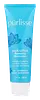
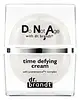
Purlisse Blue Lotus Balancing Moisturizer Versus Dr. Brandt Skincare Do Not Age with Dr. Brandt Time Defying Cream
This anti-aging moisturizer is formulated around Palmitoyl Oligopeptide and Palmitoyl Tetrapeptide-7 to soften the look of wrinkles and hydrate skin.
This anti-aging moisturizer is formulated around Glucosyl Ceramide to soften the look of wrinkles and strengthen the skin barrier.

What's inside
What's inside
 Key Ingredients
Benefits
Concerns
Ingredients Side-by-side
Water
Skin ConditioningCyclopentasiloxane
Emollient
Dimethicone
Emollient
Cetearyl Ethylhexanoate
Emollient

Glycerin
Humectant

Dicaprylyl Maleate
Emollient

Caprylic/Capric Triglyceride
Masking
Stearic Acid
Cleansing
Glyceryl Stearate
Emollient
Cetyl Dimethicone
Emollient
Cetyl Alcohol
Emollient
PEG-100 Stearate
Surfactant
Palmitoyl Oligopeptide
Cleansing

Palmitoyl Tetrapeptide-7
Skin Conditioning
Tocopheryl Acetate
Antioxidant


Hydrolyzed Lupine Protein Octenylsuccinate
Skin ProtectingAlaria Esculenta Extract
Skin Protecting
Hydrolyzed Soy Protein
Humectant
Camellia Sinensis Leaf Extract
Antimicrobial



Dipotassium Glycyrrhizate
Humectant
Nymphaea Coerulea Flower Extract
Skin ConditioningSodium Hyaluronate
Humectant
Butylene Glycol
Humectant
Polysorbate 20
Emulsifying
Cetearyl Alcohol
Emollient
Dicetyl Phosphate
EmulsifyingCeteth-10 Phosphate
CleansingCarbomer
Emulsion StabilisingDisodium EDTA
ChelatingAminomethyl Propanol
BufferingCaprylyl Glycol
Emollient
Phenoxyethanol
Preservative
Chlorphenesin
Antimicrobial
Geraniol
Perfuming


Limonene
Perfuming
Citrus Medica Peel Oil

Citrus Aurantium Dulcis Oil
Masking
Citrus Aurantium Bergamia Fruit Oil
Masking
Pelargonium Graveolens Flower Oil
Masking
Cymbopogon Martini Oil
Masking
Citrus Aurantifolia Oil
Cleansing
Juniperus Mexicana Oil
Masking
Tagetes Minuta Flower Oil
Masking
Michelia Alba Flower Oil
Masking
Water, Cyclopentasiloxane, Dimethicone, Cetearyl Ethylhexanoate, Glycerin, Dicaprylyl Maleate, Caprylic/Capric Triglyceride, Stearic Acid, Glyceryl Stearate, Cetyl Dimethicone, Cetyl Alcohol, PEG-100 Stearate, Palmitoyl Oligopeptide, Palmitoyl Tetrapeptide-7, Tocopheryl Acetate, Hydrolyzed Lupine Protein Octenylsuccinate, Alaria Esculenta Extract, Hydrolyzed Soy Protein, Camellia Sinensis Leaf Extract, Dipotassium Glycyrrhizate, Nymphaea Coerulea Flower Extract, Sodium Hyaluronate, Butylene Glycol, Polysorbate 20, Cetearyl Alcohol, Dicetyl Phosphate, Ceteth-10 Phosphate, Carbomer, Disodium EDTA, Aminomethyl Propanol, Caprylyl Glycol, Phenoxyethanol, Chlorphenesin, Geraniol, Limonene, Citrus Medica Peel Oil, Citrus Aurantium Dulcis Oil, Citrus Aurantium Bergamia Fruit Oil, Pelargonium Graveolens Flower Oil, Cymbopogon Martini Oil, Citrus Aurantifolia Oil, Juniperus Mexicana Oil, Tagetes Minuta Flower Oil, Michelia Alba Flower Oil
Water
Skin ConditioningCaprylic/Capric Triglyceride
Masking
Cetyl Babassuate
EmollientDibutyl Adipate
EmollientMacadamia Ternifolia Seed Oil
Emollient
Butyrospermum Parkii Butter
Skin Conditioning
Glycerin
Humectant
Cyclopentasiloxane
Emollient
Glyceryl Stearate
Emollient
Sodium Acrylates Copolymer
Cetearyl Alcohol
Emollient
Stearic Acid
Cleansing
Sodium Cocoyl Glutamate
Cleansing
BHT
Antioxidant
Disodium EDTA
ChelatingTocopherol
Antioxidant
Phenoxyethanol
Preservative
Caprylyl Glycol
Emollient
Chlorphenesin
Antimicrobial
Alaria Esculenta Extract
Skin Protecting
Dextran
Trifluoroacetyl Tripeptide-2
Skin Conditioning
Zinc Ricinoleate
Juniperus Virginiana Oil
Masking
Geranium Maculatum Oil
Masking
Lavandula Hybrida Oil
Emollient
Pogostemon Cablin Leaf Oil
Masking
Vetiveria Zizanoides Root Oil
Masking
Linum Usitatissimum Seed Extract
Perfuming
Glucosyl Ceramide
Skin Conditioning
Camellia Sinensis Leaf Extract
Antimicrobial
Vitis Vinifera Seed Extract
Antimicrobial
Vitis Vinifera Seed Oil
Emollient
Phospholipids
Skin Conditioning
Carbomer
Emulsion StabilisingWater, Caprylic/Capric Triglyceride, Cetyl Babassuate, Dibutyl Adipate, Macadamia Ternifolia Seed Oil, Butyrospermum Parkii Butter, Glycerin, Cyclopentasiloxane, Glyceryl Stearate, Sodium Acrylates Copolymer, Cetearyl Alcohol, Stearic Acid, Sodium Cocoyl Glutamate, BHT, Disodium EDTA, Tocopherol, Phenoxyethanol, Caprylyl Glycol, Chlorphenesin, Alaria Esculenta Extract, Dextran, Trifluoroacetyl Tripeptide-2, Zinc Ricinoleate, Juniperus Virginiana Oil, Geranium Maculatum Oil, Lavandula Hybrida Oil, Pogostemon Cablin Leaf Oil, Vetiveria Zizanoides Root Oil, Linum Usitatissimum Seed Extract, Glucosyl Ceramide, Camellia Sinensis Leaf Extract, Vitis Vinifera Seed Extract, Vitis Vinifera Seed Oil, Phospholipids, Carbomer
Reviews
Ingredients Explained
These ingredients are found in both products.
Ingredients higher up in an ingredient list are typically present in a larger amount.
This ingredient comes from winged kelp; it's an edible brown seaweed found on exposed rocky Atlantic shores.
In cosmetics, it has skin protecting and hair conditioning properties.
Lab testing has shown it to be an impressive antioxidant: out of 3 Icelandic seaweeds, Alaria had the most phenolics, flavonoids, and strongest antioxidant capacity. It also blocked the enzymes that break down collagen, elastin, hyaluronic acid, and the enzyme that drives pigment creation.
Cell studies found it could lower progerin production in aged skin cells (with no effect in cells from young donors). Progerin is a protein that weakens the cell nucleus and drives both premature aging and normal aging processes
Just keep in mind these results are all from test tube and cell studies and there are currently no human trials on the extract itself.
Safety-wise, this one has a solid record. Human sensitization tests at 0.5 to 2.5% and under 5% all came back negative, and brown algae ingredients aren't restricted in the EU.
You'll see algae listed as a 5/5 on a lot of pore-clogging charts and that number doesn't come from anywhere; it's not in the original rabbit-ear studies that most comedogenic ratings trace back to.
The reasoning behind the reputation is that seaweed is high in iodine and iodine can trigger acne-like breakouts when eaten. This traces back to a 1976 letter in Archives of Dermatology describing two women whose breakouts cleared after they stopped taking high-dose kelp supplements orally.
And the reaction of these two women wasn't clogged pores at all: it was an iodine-triggered pustular rash. Later research found normal dietary iodine doesn't meaningfully affect acne either and nobody has shown topical algae delivers enough iodine to matter.
What we do have is dozens of brown and red algae ingredients found to be non-irritating and non-sensitizing, and a handful of studies that found algae compounds may actually help acne.
However, plenty of people do report breaking out from algae-containing products. Skin is individual and it's worth avoiding if yours has reacted to algae before.
Learn more about Alaria Esculenta ExtractCamellia Sinensis Leaf Extract (tea extract) is one of the most well-researched plant extracts in skincare with an impressive resume.
Black tea, green tea, and oolong tea are all harvested from the Camellia Sinensis plant.
Studies show green tea extract and its catechins (like epigallocatechin gallate (EGCG)) help your skin cells product energy more efficiently and reducing the number of free-radicals that can damage your skin from the inside.
In lab-grown skin models, this translated to younger, healthier, and stronger skin.
There's also good sun protection data; researchers saw less DNA damage and redness on human skin when green tea was applied before UVB exposure. And the more they applied, the better the protection.
Needless to say, this ingredient shouldn't replace your sunscreen. But it is a great supportive ingredient that you can already find in many sunscreens and antioxidant serums.
A 2009 study found a 2% green tea lotion was effective for mild-to-moderate acne thanks to its anti-inflammatory and mild antimicrobial activity.
The quality of the extract matters a lot here:
Good extracts contain 50-90% catechins while lower quality ones are mostly there for marketing. We recommend reaching out to the brand if you have questions about the quality or source of their ingredients.
Human Repeated Insult Patch Testing showed no irritation or sensitization at use concentrations (0.86% in leave-on products and up to 30% as leaf water).
Learn more about Camellia Sinensis Leaf ExtractCaprylic/Capric Triglyceride (aka MCT Oil) is a lightweight emollient, solvent, and texture enhancer. It is considered a skin-softener by helping to prevent moisture loss.
Though it behaves like an oil, it is not technically one due to its chemical composition. One perk of this ingredient is that it is very stable, resistant to oxidation, and unlikely to go rancid.
In practice, that translates to a long shelf life and a consistently elegant skin feel.
While there is an assumption Caprylic Triglyceride can clog pores due to it being derived from coconut oil, there is no research supporting this. Just patch test if you have concerns.
Fractionated coconut oil and MCT Oil are both listed as Caprylic/Capric Triglyceride according to INCI. This is because INCI names are based on the ingredient’s final chemical composition and not its marketing name or source.
This ingredient is treated as the gold standard fungal acne safe oil. Even though it is coconut derived, the problematic lauric acid is stripped out.
This leaves just caprylic (C8) and capric (C10) acid. These chain lengths actually trend antifungal; a 2020 study found caprylic acid was enough to disrupt Malassezia furfur cell membrane, with a caprylic acid derivative damaging membrane structures at concentrations as low as 0.2%.
Learn more about Caprylic/Capric TriglycerideCaprylyl Glycol is a humectant, skin conditioner, emollient, and preservative booster derived from either caprylic acid or synthetically created.
Typical use levels vary from 0.3-1% as a preservative booster and go up to 2% to condition skin.
Because it is not a free-fatty acid, this ingredient is fungal acne safe (there's nothing for Malassezia to feed on).
Learn more about Caprylyl GlycolCarbomer is a synthetic thickening and gelling agent. It's basically the ingredient that gives a lot of serums, gels, creams, and sunscreens their smooth, non-sticky texture.
Although legally permitted at very high levels, carbomers are normally used at concentrations below 1%.
It also needs to be neutralized to actually thicken, and because it is a large molecule, it doesn't really penetrate the skin barrier.
Allergy-wise, the risk is very low. Clinical studies show carbomers have low potential for skin irritation/sensitization even at concentrations up to 100%.
A 2024 UK study patch-tested 1,302 patients and found true allergy to the parent group of carbomer to be rare with no confirmed relevant reactions.
Learn more about CarbomerCetearyl alcohol is a waxy mixture of two fatty alcohols: cetyl alcohol and stearyl alcohol. It is an emollient and emulsifier.
Despite having "alcohol" in its name, it has nothing to do with drying solvent alcohols; the FDA also allows "alcohol-free" products to contain fatty alcohols like this ingredient.
It plays several roles in a formula:
Typical use levels for this ingredient sit around 1-10% and the Cosmetic Ingredient Review Expert Panel has affirmed safety at concentrations up to 25% in leave-on products.
Multiple assessments have found it to be non-irritating and non-sensitizing to most people.
However, there have been some cases of allergic contact dermatitis in patients with chronically compromised skin barriers.
Cetearyl alcohol has a comedogenic rating of 2 and irritancy rating of 1. Both of these numbers come from the 1989 study that used rabbit ears; a "2" means mildly comedogenic and a "1" means low irritancy.
Here's the catch: rabbit skin is more sensitive than human skin and throws a lot of false positives. A 1996 reappraisal found that ingredients rated 1-2 in the rabbit ear tests are generally safe for humans.
Remember comedogenic ratings are unable to assess the entire formula of a product or how it will react on your skin. Just be sure to patch test if you are unsure about certain ingredients.
This ingredient is not fungal acne safe. Cetearyl alcohol is a fatty alcohol with chain lengths that fall within the range that Malassezia can metabolize.
A 2019 study has also observed Malassezia growth in the presence of this ingredient, confirming it to be not-fungal acne safe.
Learn more about Cetearyl AlcoholChlorphenesin is a synthetic preservative. It helps protect a product against bacteria in order to extend shelf life. In most cases, Chlorphenesin is paired with other preservatives such as phenoxyethanol and caprylyl glycol.
Chlorphenesin is a biocide. This means it is able to help fight the microorganisms on our skin. It is also able to fight odor-releasing bacteria.
Chlorphenesin is soluble in both water and glycerin.
Studies show Chlorphenesin is easily absorbed by our skin. You should speak with a skincare professional if you have concerns about using Chlorphenesin.
Learn more about ChlorphenesinCyclopentasiloxane (D5) is a lightweight silicone that mostly acts as an emollient and solvent in cosmetics. Its the reason your products feel silky, fast-spreading, and non-greasy.
Since D5 is volatile, it does its thing and then evaporates off the skin quickly.
The safety profile of this ingredient is reassuring; the US CIR Expert Panel concluded D5 is safe as used in cosmetics and Health Canada concluded that D5 is not harmful to human health or the environment as currently used in cosmetics
There's a study that people mention about D5 in a rat study showing tumors. This study is related to long-term inhalation of high D5 levels.
Regulatory bodies have judged this study to be not applicable in topical skincare since skin absorption of D5 is very low and we're not really inhaling huge amounts of D5.
The only restriction for this ingredient is environmental. The European Chemicals Agency (ECHA) restricted D5 in wash-off cosmetics at or above 0.1% due to their persistence in water.
Learn more about CyclopentasiloxaneDisodium EDTA is a chelating agent. It grabs onto and deactivates metal ions that sneak into your products from water, packaging, or air.
This ingredient mainly works behind the scenes and helps with:
On top of that, this ingredient can counteract the effects of hard water by binding to the minerals in it.
One thing worth knowing is that Disodium EDTA has been shown to be a mild penetration enhancer. It can help other ingredients absorb into skin more effectively which can be a double-edged sword (great for actives, but can also make the active too strong if you have sensitive skin).
Clinical patch testing showed no significant skin irritation at typical use concentrations and minimal dermal absorption.
You'll most likely see this ingredient near the end of an ingredient list. It's typically found in concentrations less than 1%.
Learn more about Disodium EDTAGlycerin (or glycerol) is a compound naturally found in your skin. It's a powerhouse humectant that pulls water into the stratum corneum.
Topically, glycerin does several things at once:
Your skin makes glycerin on its own (mostly from sebaceous oil breakdown) and shuttles it to your outermost layer of skin, or your epidermis, via aquaporin-3.
Aquaporin-3 is a transporter that is essential for normal skin hydration, elasticity, and repair. Interestingly, mice lacking in AQP3 have dry and less elastic skin that can be fully corrected with glycerin.
This ingredient is non-irritating, plays well with almost every ingredient, and works across all skin types. Typical use is anywhere between 3-10% but can go up to 79% in some leave-on products.
Just know very high concentrations (>40%) can feel tacky in low humidity.
Glycerin is the name for this ingredient in American English. British English uses Glycerol/Glycerine.
Learn more about GlycerinGlyceryl Stearate is made by reacting glycerin with stearic acid (typically sourced from plant oils like palm or coconut). It's an emulsifier, emollient, and mild occlusive.
Emulsifiers help ingredients like oil and water stay mixed so your formula stays nicely blended and uniform in texture.
This ingredient is typically used in concentrations between 1-10%. Studies have found it to be non-sensitizing, non-phototoxic, and non-photoallergenic.
A close cousin of this ingredient is Glyceryl Stearate SE ("self-emulsifying"). This just has a small amount of sodium or potassium stearate added so it can emulsify without a co-emulsifier.
Since this ingredient is an ester of a C18 fatty acid, it may not be fungal acne safe. The Malassezia yeast can potentially metabolize within the C11-C24 range.
Fun fact: The human body also creates Glyceryl Stearate naturally.
Learn more about Glyceryl StearatePhenoxyethanol is one of the most widely used preservatives in skincare (and for good reason!).
It has a large spectrum of antimicrobial activity and especially effective bacteria, yeast, and mold while only having a weak effect on your skin's natural microbiome.
On a cellular level, it disrupts the cell membranes of microbes by poking holes that make the cell leak. This shuts down the chemical reactions the microbe needs to make energy so it can no longer survive.
Another perk of this ingredient is that it stays functional across a wide pH range (3-10).
You'll often see it paired with boosters like Ethylhexylglycerin; one study showed that a 1:9 ratio of Ethylhexylglycerin to Phenoxyethanol damages bacterial membranes as effectively as doubling the Phenoxyethanol concentration on its own.
Typical use concentrations range from 0.3-1% depending on the formula, and this ingredient is capped at 1% int the EU.
Safety-wise, the fear mongering does not hold up to the evidence. The EU's Scientific Committee on Consumer Safety and FDA consider it safe as a preservative at up to 1%, including for children of all ages.
Adverse systemic effects only showed up in animal studies at exposures roughly 200x higher than what people get from cosmetics. And despite its very widespread use, this ingredient is a rare sensitizer and allergic reactions are uncommon.
Learn more about PhenoxyethanolStearic Acid is a fatty acid that is already found in your skin. It's one of the free fatty acids that works alongside ceramides and cholesterols to maintain your barrier.
In cosmetics, it is a multitasker:
Safety-wise, the CIR Expert Panel has concluded it to be safe in cosmetics when formulated to be non-irritating and non-sensitizing.
Free stearic acid is a C18 fatty acid that the Malassezia yeast can substrate, so this ingredient may not be fungal acne safe.
This ingredient does have a comedogenic rating of 2-3, but this doesn't mean a formula with this ingredient will clog pores.
Human testing has proved that any finished product with this ingredient won't automatically make you break out; it really comes down to concentration, formula, and your skin.
Learn more about Stearic AcidWater. It's the most common cosmetic ingredient of all. You'll usually see it at the top of ingredient lists, meaning that it makes up the largest part of the product.
So why is it so popular? Water most often acts as a solvent - this means that it helps dissolve other ingredients into the formulation.
You'll also recognize water as that liquid we all need to stay alive. If you see this, drink a glass of water. Remember to stay hydrated!
Learn more about Water

