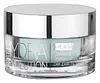
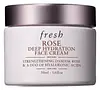
Pupa Milano Hydra Revolution Crema Sorbetto Trattamento Idratante Per Pelli Normali-Miste Versus Fresh Rose Deep Hydration Face Cream
This barrier-repair moisturizer is formulated around Xylitol to strengthen the skin barrier and hydrate skin.
This barrier-repair moisturizer is formulated around Rosa Damascena Flower Water and Sodium Hyaluronate to strengthen the skin barrier and hydrate skin.


What's inside
What's inside
 Key Ingredients
Benefits
Concerns
Ingredients Side-by-side
Water
Skin ConditioningGlycerin
Humectant


Caprylic/Capric Triglyceride
Masking
Betaine
Humectant
Isopropyl Myristate
Emollient





Phenyl Trimethicone
Skin Conditioning
Xylitol
Humectant
Phenoxyethanol
Preservative
Ammonium Acryloyldimethyltaurate/Vp Copolymer
Butylene Glycol
Humectant
Sodium Polyacrylate Starch
AbsorbentSteareth-2
EmulsifyingBenzophenone-4
UV Absorber
Dimethicone
Emollient
Steareth-21
CleansingXanthan Gum
EmulsifyingEthylhexylglycerin
Skin ConditioningPolyacrylamide
Anadenanthera Colubrina Bark Extract
HumectantParfum
Masking

Dimethicone/Vinyl Dimethicone Crosspolymer
Skin Conditioning
C13-14 Isoparaffin
Emollient
Polymethylsilsesquioxane
Methyl Diisopropyl Propionamide
MaskingSodium Hyaluronate
Humectant


Caprylyl Glycol
Emollient
Hdi/Trimethylol Hexyllactone Crosspolymer
Laureth-7
EmulsifyingPotassium Sorbate
Preservative
Butylphenyl Methylpropional
Perfuming
Glucose
Humectant
Limonene
Perfuming
Hexyl Cinnamal
Perfuming
Chondrus Crispus Extract
Skin Conditioning
CI 42090
Cosmetic ColorantCI 19140
Cosmetic ColorantWater, Glycerin, Caprylic/Capric Triglyceride, Betaine, Isopropyl Myristate, Phenyl Trimethicone, Xylitol, Phenoxyethanol, Ammonium Acryloyldimethyltaurate/Vp Copolymer, Butylene Glycol, Sodium Polyacrylate Starch, Steareth-2, Benzophenone-4, Dimethicone, Steareth-21, Xanthan Gum, Ethylhexylglycerin, Polyacrylamide, Anadenanthera Colubrina Bark Extract, Parfum, Dimethicone/Vinyl Dimethicone Crosspolymer, C13-14 Isoparaffin, Polymethylsilsesquioxane, Methyl Diisopropyl Propionamide, Sodium Hyaluronate, Caprylyl Glycol, Hdi/Trimethylol Hexyllactone Crosspolymer, Laureth-7, Potassium Sorbate, Butylphenyl Methylpropional, Glucose, Limonene, Hexyl Cinnamal, Chondrus Crispus Extract, CI 42090, CI 19140
Water
Skin ConditioningGlycerin
Humectant
C15-19 Alkane
SolventButylene Glycol
Humectant
Propanediol
Solvent
Isostearyl Isostearate
Emollient
Hexyl Laurate
Emollient
Pentylene Glycol
Skin Conditioning
1,2-Hexanediol
Skin Conditioning
Behenyl Alcohol
Emollient
Steareth-2
EmulsifyingPrunus Domestica Seed Oil
Skin Conditioning
Rosa Damascena Flower Water
Masking
Rosa Damascena Extract
MaskingAngelica Keiskei Leaf/Stem Extract
Skin ConditioningAcacia Senegal Gum
MaskingRosa Damascena Flower Extract
Masking
Rosa Damascena Flower Oil
Masking
Cucumis Sativus Fruit Extract
Emollient
Tocopheryl Acetate
Antioxidant


Silica
Abrasive


Dimethicone
Emollient
Ammonium Acryloyldimethyltaurate/Vp Copolymer
Steareth-21
CleansingHydroxyethyl Acrylate/Sodium Acryloyldimethyl Taurate Copolymer
Emulsion StabilisingSodium Hyaluronate
Humectant
Squalane
Emollient
Acrylates/C10-30 Alkyl Acrylate Crosspolymer
Emulsion StabilisingTromethamine
BufferingXanthan Gum
EmulsifyingDimethiconol
Emollient
Polysorbate 60
Emulsifying
Caprylic/Capric Triglyceride
Masking
Algin
MaskingSodium Chloride
MaskingPentaerythrityl Tetra-Di-T-Butyl Hydroxyhydrocinnamate
Antioxidant
Sorbitan Isostearate
Emulsifying
Trisodium Ethylenediamine Disuccinate
ChelatingSerine
Masking
Caramel
Cosmetic ColorantCaprylyl Glycol
Emollient
Citric Acid
Buffering
Sodium Hydroxide
BufferingChlorphenesin
Antimicrobial
Sodium Benzoate
Masking
Potassium Sorbate
Preservative
Citronellol
Perfuming
Geraniol
Perfuming
Water, Glycerin, C15-19 Alkane, Butylene Glycol, Propanediol, Isostearyl Isostearate, Hexyl Laurate, Pentylene Glycol, 1,2-Hexanediol, Behenyl Alcohol, Steareth-2, Prunus Domestica Seed Oil, Rosa Damascena Flower Water, Rosa Damascena Extract, Angelica Keiskei Leaf/Stem Extract, Acacia Senegal Gum, Rosa Damascena Flower Extract, Rosa Damascena Flower Oil, Cucumis Sativus Fruit Extract, Tocopheryl Acetate, Silica, Dimethicone, Ammonium Acryloyldimethyltaurate/Vp Copolymer, Steareth-21, Hydroxyethyl Acrylate/Sodium Acryloyldimethyl Taurate Copolymer, Sodium Hyaluronate, Squalane, Acrylates/C10-30 Alkyl Acrylate Crosspolymer, Tromethamine, Xanthan Gum, Dimethiconol, Polysorbate 60, Caprylic/Capric Triglyceride, Algin, Sodium Chloride, Pentaerythrityl Tetra-Di-T-Butyl Hydroxyhydrocinnamate, Sorbitan Isostearate, Trisodium Ethylenediamine Disuccinate, Serine, Caramel, Caprylyl Glycol, Citric Acid, Sodium Hydroxide, Chlorphenesin, Sodium Benzoate, Potassium Sorbate, Citronellol, Geraniol
Reviews
Ingredients Explained
These ingredients are found in both products.
Ingredients higher up in an ingredient list are typically present in a larger amount.
Ammonium Acryloyldimethyltaurate/Vp Copolymer is a synthetically created polymer. It's used as a film-forming agent and used to thicken the consistency of products.
Think of it as a supportive ingredient that helps your gel-creams feel silky, "cloud cream-like", and spread evenly without being greasy.
The Cosmetic Ingredient Review (CIR) Expert Panel evaluated it (along with 22 other acryloyldimethyltaurate polymers) and concluded it's:
Due to its large molecular size, it sits on the surface of skin rather than penetrating it.
Learn more about Ammonium Acryloyldimethyltaurate/Vp CopolymerButylene Glycol (or BG) is used within cosmetic products for a few different reasons:
Overall, Butylene Glycol is a safe and well-rounded ingredient that works well with other ingredients.
Though this ingredient works well with most skin types, some people with sensitive skin may experience a reaction such as allergic rashes, closed comedones, or itchiness.
Learn more about Butylene GlycolCaprylic/Capric Triglyceride (aka MCT Oil) is a lightweight emollient, solvent, and texture enhancer. It is considered a skin-softener by helping to prevent moisture loss.
Though it behaves like an oil, it is not technically one due to its chemical composition. One perk of this ingredient is that it is very stable, resistant to oxidation, and unlikely to go rancid.
In practice, that translates to a long shelf life and a consistently elegant skin feel.
While there is an assumption Caprylic Triglyceride can clog pores due to it being derived from coconut oil, there is no research supporting this. Just patch test if you have concerns.
Fractionated coconut oil and MCT Oil are both listed as Caprylic/Capric Triglyceride according to INCI. This is because INCI names are based on the ingredient’s final chemical composition and not its marketing name or source.
This ingredient is treated as the gold standard fungal acne safe oil. Even though it is coconut derived, the problematic lauric acid is stripped out.
This leaves just caprylic (C8) and capric (C10) acid. These chain lengths actually trend antifungal; a 2020 study found caprylic acid was enough to disrupt Malassezia furfur cell membrane, with a caprylic acid derivative damaging membrane structures at concentrations as low as 0.2%.
Learn more about Caprylic/Capric TriglycerideCaprylyl Glycol is a humectant, skin conditioner, emollient, and preservative booster derived from either caprylic acid or synthetically created.
Typical use levels vary from 0.3-1% as a preservative booster and go up to 2% to condition skin.
Because it is not a free-fatty acid, this ingredient is fungal acne safe (there's nothing for Malassezia to feed on).
Learn more about Caprylyl GlycolDimethicone is a type of synthetic silicone created from natural materials such as quartz. It is also known as polydimethylsiloxane.
What it does:
Dimethicone comes in different viscosities:
Depending on the viscosity, dimethicone has different properties.
Ingredients lists don't always show which type is used, so we recommend reaching out to the brand if you have questions about the viscosity.
This ingredient is unlikely to cause irritation because it does not get absorbed into skin. However, people with silicone allergies should be careful about using this ingredient.
Note: Dimethicone may contribute to pilling. This is because it is not oil or water soluble, so pilling may occur when layered with products. When mixed with heavy oils in a formula, the outcome is also quite greasy.
Learn more about DimethiconeGlycerin (or glycerol) is a compound naturally found in your skin. It's a powerhouse humectant that pulls water into the stratum corneum.
Topically, glycerin does several things at once:
Your skin makes glycerin on its own (mostly from sebaceous oil breakdown) and shuttles it to your outermost layer of skin, or your epidermis, via aquaporin-3.
Aquaporin-3 is a transporter that is essential for normal skin hydration, elasticity, and repair. Interestingly, mice lacking in AQP3 have dry and less elastic skin that can be fully corrected with glycerin.
This ingredient is non-irritating, plays well with almost every ingredient, and works across all skin types. Typical use is anywhere between 3-10% but can go up to 79% in some leave-on products.
Just know very high concentrations (>40%) can feel tacky in low humidity.
Glycerin is the name for this ingredient in American English. British English uses Glycerol/Glycerine.
Learn more about GlycerinPotassium Sorbate is a preservative used to prevent yeast and mold in products. It is commonly found in both cosmetic and food products.
This ingredient comes from potassium salt derived from sorbic acid. Sorbic acid is a natural antibiotic and effective against fungus.
Both potassium sorbate and sorbic acid can be found in baked goods, cheeses, dried meats, dried fruit, ice cream, pickles, wine, yogurt, and more.
You'll often find this ingredient used with other preservatives.
Learn more about Potassium SorbateSodium Hyaluronate is the salt form of hyaluronic acid. It is a long sugar chain that is naturally found in your skin, joints, and connective tissue that maintains hydration and elasticity.
In skincare, it works as a humectant. It pulls water from the environment and deeper layers of skin and binds it to the surface.
Interestingly, the size of the molecule affects its behavior:
Some clinical evidence links low molecular weight versions to improved wrinkle depth, elasticity, anti-inflammatory effects, and barrier repair.
Many serums use a blend of both weights so you can get surface hydration plus longer-lasting and deeper effects.
You'll typically see concentrations between 0.1-2% for this ingredient.
Learn more about Sodium HyaluronateSteareth-2 is a waxy compound used to emulsify ingredients. It is created from polyethylene glycol and stearyl alcohol. The 2 stands for the number of ethylene oxide units used to create this ingredient.
Due to the low degree of ethoxylation, the molecule stays mostly oil-loving. That's why you'll often see it paired with water-loving steareth-20 or steareth-21 to create elegant emulsions.
In testing, this ingredient was nontoxic in acute oral studies and not a skin irritant or sensitizer.
You might hear concerns about 1,4-dioxane as a byproduct of ethoxylation; this is well-known in the industry and is controlled through purification steps before the ingredient is blended into finished products.
Learn more about Steareth-2Steareth-21 is a nonionic emulsifier made by reacting stearyl alcohol with 21 units of ethylene oxide. It is mainly a cleansing agent and emulsifier.
The "21" in the name just tells you it has a longer water-loving chain. This makes it more gentle and less likely to irritate skin compared to lower-numbered steareths.
You'll most likely see it paired with steareth-2 because the two work together to create stable formulations.
1,4-dioxane is often brought up as a concern but this is usually removed through purification.
Learn more about Steareth-21Water. It's the most common cosmetic ingredient of all. You'll usually see it at the top of ingredient lists, meaning that it makes up the largest part of the product.
So why is it so popular? Water most often acts as a solvent - this means that it helps dissolve other ingredients into the formulation.
You'll also recognize water as that liquid we all need to stay alive. If you see this, drink a glass of water. Remember to stay hydrated!
Learn more about WaterXanthan gum is used as a stabilizer and thickener within cosmetic products. It helps give products a sticky, thick feeling - preventing them from being too runny.
On the technical side of things, xanthan gum is a polysaccharide - a combination consisting of multiple sugar molecules bonded together.
Xanthan gum is a pretty common and great ingredient. It is a natural, non-toxic, non-irritating ingredient that is also commonly used in food products.
Learn more about Xanthan Gum

