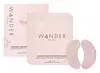
This brightening eye mask is formulated around Niacinamide and Ascorbic Acid to brighten dull-looking skin and fade the look of dark spots.
This hydrating eye mask is formulated around Acetyl Hexapeptide-8 and Beta-Glucan to hydrate skin and soften the look of wrinkles.


What's inside
What's inside
 Key Ingredients
Benefits
Concerns
Ingredients Side-by-side
Water
Skin ConditioningGlycerin
Humectant


Hippophae Rhamnoides Water
Masking
Carrageenan



Dipropylene Glycol
HumectantNiacinamide
Smoothing









Ascorbic Acid
Antioxidant

Cocos Nucifera Fruit Extract
Emollient
Citrus Limon Fruit Extract
Masking
Camellia Sinensis Leaf Extract
Antimicrobial
Panax Ginseng Root Extract
Emollient
Glycyrrhiza Glabra Root Extract
Bleaching
Arginine
Masking
Ferulic Acid
Antimicrobial
Caffeine
Skin Conditioning
Dipotassium Glycyrrhizate
Humectant
Cyamopsis Tetragonoloba Gum
Emulsion StabilisingCeratonia Siliqua Gum
EmollientPropanediol
Solvent
Calcium Chloride
AstringentPentylene Glycol
Skin Conditioning
Pinus Sylvestris Leaf Extract
TonicEthyl Hexanediol
Solvent1,2-Hexanediol
Skin Conditioning
Potassium Chloride
Polyglyceryl-10 Laurate
Skin Conditioning

Allantoin
Skin Conditioning
Cellulose Gum
Emulsion StabilisingChlorphenesin
Antimicrobial
Sucrose
Humectant
Calcium Lactate
AstringentCaprylyl Glycol
Emollient
Squalane
Emollient
Ethylhexylglycerin
Skin ConditioningDisodium EDTA
ChelatingCI 77492
Cosmetic ColorantWater, Glycerin, Hippophae Rhamnoides Water, Carrageenan, Dipropylene Glycol, Niacinamide, Ascorbic Acid, Cocos Nucifera Fruit Extract, Citrus Limon Fruit Extract, Camellia Sinensis Leaf Extract, Panax Ginseng Root Extract, Glycyrrhiza Glabra Root Extract, Arginine, Ferulic Acid, Caffeine, Dipotassium Glycyrrhizate, Cyamopsis Tetragonoloba Gum, Ceratonia Siliqua Gum, Propanediol, Calcium Chloride, Pentylene Glycol, Pinus Sylvestris Leaf Extract, Ethyl Hexanediol, 1,2-Hexanediol, Potassium Chloride, Polyglyceryl-10 Laurate, Allantoin, Cellulose Gum, Chlorphenesin, Sucrose, Calcium Lactate, Caprylyl Glycol, Squalane, Ethylhexylglycerin, Disodium EDTA, CI 77492
Water
Skin ConditioningGlycerin
Humectant
Butylene Glycol
Humectant
1,2-Hexanediol
Skin Conditioning
Acetyl Hexapeptide-8
Humectant
Alanine
Masking
Aloe Barbadensis Leaf Juice
Skin Conditioning
Arginine
Masking
Aspartic Acid
Masking
Beta-Glucan
Skin Conditioning
Calendula Officinalis Flower Extract
Masking
Copper Tripeptide-1
Skin Conditioning
Cysteine
Antioxidant
Disodium EDTA
ChelatingEthylhexylglycerin
Skin ConditioningGlutamic Acid
Humectant
Glyceryl Caprylate
EmollientGlycine
Buffering
Histidine
Humectant
Hydroxyethylcellulose
Emulsion StabilisingIsoleucine
Skin ConditioningLeucine
Skin ConditioningLysine
Skin ConditioningMethionine
Skin ConditioningMyrciaria Dubia Fruit Extract
Skin ConditioningNatto Gum
Panthenol
Skin Conditioning
Phenylalanine
Masking
Polyglyceryl-4 Caprate
EmulsifyingPortulaca Oleracea Extract
Skin Conditioning
Proline
Skin Conditioning
Scutellaria Baicalensis Root Extract
Astringent
Serine
Masking
Simmondsia Chinensis Seed Oil
Emollient
Sodium Hyaluronate
Humectant
Threonine
Tocopheryl Acetate
Antioxidant
Tyrosine
MaskingValine
MaskingXanthan Gum
EmulsifyingWater, Glycerin, Butylene Glycol, 1,2-Hexanediol, Acetyl Hexapeptide-8, Alanine, Aloe Barbadensis Leaf Juice, Arginine, Aspartic Acid, Beta-Glucan, Calendula Officinalis Flower Extract, Copper Tripeptide-1, Cysteine, Disodium EDTA, Ethylhexylglycerin, Glutamic Acid, Glyceryl Caprylate, Glycine, Histidine, Hydroxyethylcellulose, Isoleucine, Leucine, Lysine, Methionine, Myrciaria Dubia Fruit Extract, Natto Gum, Panthenol, Phenylalanine, Polyglyceryl-4 Caprate, Portulaca Oleracea Extract, Proline, Scutellaria Baicalensis Root Extract, Serine, Simmondsia Chinensis Seed Oil, Sodium Hyaluronate, Threonine, Tocopheryl Acetate, Tyrosine, Valine, Xanthan Gum
Ingredients Explained
These ingredients are found in both products.
Ingredients higher up in an ingredient list are typically present in a larger amount.
1,2-Hexanediol is a synthetic liquid and another multi-functional powerhouse.
It is a:
- Humectant, drawing moisture into the skin
- Emollient, helping to soften skin
- Solvent, dispersing and stabilizing formulas
- Preservative booster, enhancing the antimicrobial activity of other preservatives
Arginine is a semi-essential amino acid. This just means our bodies can product a bit on its own, but sometimes needs a little boost from food sources.
It is a part of your skin's natural moisturizing factor (NMF), or the water-loving molecules in your outermost layer of skin (stratum corneum) that keeps everything hydrated and happy.
Here's an interesting thing about Arginine: your skin converts it into urea through the Krebs-Henseleit urea cycle. Urea is one of the most effective humectants your skin naturally produces.
A clinical study showed applying 2.5% arginine hydrochloride to atopic dermatitis skin showed significant urea levels in the stratum corneum and improved moisture in just four weeks.
Arginine is also a precursor to nitric oxide; nitric oxide improves microcirculation and supports wound healing and collagen synthesis.
One study found that an amino acid complex containing Arginine reduced skin irritation, improved hydration, and accelerated skin repair in clinical / in-vivo studies.
Arginine itself is an amino acid and not a fatty acid, oil, or ester. On its own, it's not a direct food source for Malassezia, or the yeast that causes fungal acne.
Learn more about ArginineDisodium EDTA is a chelating agent. It grabs onto and deactivates metal ions that sneak into your products from water, packaging, or air.
This ingredient mainly works behind the scenes and helps with:
On top of that, this ingredient can counteract the effects of hard water by binding to the minerals in it.
One thing worth knowing is that Disodium EDTA has been shown to be a mild penetration enhancer. It can help other ingredients absorb into skin more effectively which can be a double-edged sword (great for actives, but can also make the active too strong if you have sensitive skin).
Clinical patch testing showed no significant skin irritation at typical use concentrations and minimal dermal absorption.
You'll most likely see this ingredient near the end of an ingredient list. It's typically found in concentrations less than 1%.
Learn more about Disodium EDTAEthylhexylglycerin is created from glycerin. It is a multitasker ingredient that:
The CIR Expert Panel found minimal skin absorption or sensitization of any kind in a safety assessment. Though this ingredient is considered well-tolerated, a small number of cases of allergic dermatitis have been published since 2002. Just be sure to patch test if you are unsure.
Industry-reported use ranges from 8% in rinse-off products and 2% in leave-on formulations.
Learn more about EthylhexylglycerinGlycerin (or glycerol) is a compound naturally found in your skin. It's a powerhouse humectant that pulls water into the stratum corneum.
Topically, glycerin does several things at once:
Your skin makes glycerin on its own (mostly from sebaceous oil breakdown) and shuttles it to your outermost layer of skin, or your epidermis, via aquaporin-3.
Aquaporin-3 is a transporter that is essential for normal skin hydration, elasticity, and repair. Interestingly, mice lacking in AQP3 have dry and less elastic skin that can be fully corrected with glycerin.
This ingredient is non-irritating, plays well with almost every ingredient, and works across all skin types. Typical use is anywhere between 3-10% but can go up to 79% in some leave-on products.
Just know very high concentrations (>40%) can feel tacky in low humidity.
Glycerin is the name for this ingredient in American English. British English uses Glycerol/Glycerine.
Learn more about GlycerinWater. It's the most common cosmetic ingredient of all. You'll usually see it at the top of ingredient lists, meaning that it makes up the largest part of the product.
So why is it so popular? Water most often acts as a solvent - this means that it helps dissolve other ingredients into the formulation.
You'll also recognize water as that liquid we all need to stay alive. If you see this, drink a glass of water. Remember to stay hydrated!
Learn more about Water

