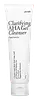
This salicylic acid gel cleanser is formulated around Salicylic Acid to clear breakouts and unclog pores.
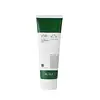
This salicylic acid foaming cleanser is formulated around Salicylic Acid to clear breakouts and unclog pores.

What's inside
What's inside
 Key Ingredients
Benefits
Concerns
Ingredients Side-by-side
Water
Skin ConditioningPotassium Laureth Phosphate
EmulsifyingButylene Glycol
Humectant

Lauryl Hydroxysultaine
CleansingGlycerin
Humectant
Acrylates/C10-30 Alkyl Acrylate Crosspolymer
Emulsion StabilisingHibiscus Sabdariffa Flower Extract
Skin ConditioningQuillaja Saponaria Bark Extract
CleansingCrataegus Monogyna Flower Extract
Skin ConditioningViola Tricolor Extract
EmollientCentella Asiatica Leaf Extract
Skin Conditioning


Melaleuca Alternifolia Leaf Extract
Perfuming
Cynanchum Atratum Extract
Skin ConditioningPotassium Cocoyl Glutamate
Surfactant
1,2-Hexanediol
Skin Conditioning
Caprylyl Glycol
Emollient
Coco-Glucoside
Cleansing
Salicylic Acid
Masking










Sodium Chloride
MaskingPropylene Glycol
Humectant
Sodium Cocoyl Glutamate
Cleansing
Sodium Cocoyl Isethionate
Cleansing
Ascorbic Acid
Antioxidant


Citric Acid
Buffering
Malic Acid
Buffering
Tartaric Acid
Buffering
4-Terpineol
Masking
Capryloyl Salicylic Acid
Exfoliating
Madecassoside
Antioxidant
Maltodextrin
Absorbent
Saccharide Hydrolysate
HumectantAsiaticoside
Antioxidant
Dimethyl Sulfone
SolventEthylhexylglycerin
Skin ConditioningPotassium Sorbate
Preservative
Sodium Benzoate
Masking
Parfum
Masking
Limonene
Perfuming
Linalool
Perfuming
Water, Potassium Laureth Phosphate, Butylene Glycol, Lauryl Hydroxysultaine, Glycerin, Acrylates/C10-30 Alkyl Acrylate Crosspolymer, Hibiscus Sabdariffa Flower Extract, Quillaja Saponaria Bark Extract, Crataegus Monogyna Flower Extract, Viola Tricolor Extract, Centella Asiatica Leaf Extract, Melaleuca Alternifolia Leaf Extract, Cynanchum Atratum Extract, Potassium Cocoyl Glutamate, 1,2-Hexanediol, Caprylyl Glycol, Coco-Glucoside, Salicylic Acid, Sodium Chloride, Propylene Glycol, Sodium Cocoyl Glutamate, Sodium Cocoyl Isethionate, Ascorbic Acid, Citric Acid, Malic Acid, Tartaric Acid, 4-Terpineol, Capryloyl Salicylic Acid, Madecassoside, Maltodextrin, Saccharide Hydrolysate, Asiaticoside, Dimethyl Sulfone, Ethylhexylglycerin, Potassium Sorbate, Sodium Benzoate, Parfum, Limonene, Linalool
Centella Asiatica Leaf Extract 47%
Skin Conditioning
Myristic Acid
Cleansing

Glycerin
Humectant
Water
Skin ConditioningPotassium Hydroxide
BufferingCocamide DEA
Emulsifying
Palmitic Acid
Emollient
Cocamidopropyl Betaine
Cleansing
Stearic Acid
Cleansing
1,2-Hexanediol
Skin Conditioning
Phenoxyethanol
Preservative
Salicylic Acid
Masking
Sodium Chloride
MaskingMelaleuca Alternifolia Leaf Oil
Antioxidant

Disodium EDTA
ChelatingAllantoin
Skin Conditioning
Lauric Acid
Cleansing
Gluconolactone
Chelating
Capryloyl Salicylic Acid
Exfoliating
Camellia Sinensis Leaf Extract
Antimicrobial
Lactic Acid
Buffering
Glycyrrhiza Glabra Root Extract
Bleaching
Diospyros Kaki Leaf Extract
Skin Protecting
Morus Alba Bark Extract
Skin ConditioningOpuntia Coccinellifera Fruit Extract
Skin ConditioningButylene Glycol
Humectant
Centella Asiatica Leaf Extract 47%, Myristic Acid, Glycerin, Water, Potassium Hydroxide, Cocamide DEA, Palmitic Acid, Cocamidopropyl Betaine, Stearic Acid, 1,2-Hexanediol, Phenoxyethanol, Salicylic Acid, Sodium Chloride, Melaleuca Alternifolia Leaf Oil, Disodium EDTA, Allantoin, Lauric Acid, Gluconolactone, Capryloyl Salicylic Acid, Camellia Sinensis Leaf Extract, Lactic Acid, Glycyrrhiza Glabra Root Extract, Diospyros Kaki Leaf Extract, Morus Alba Bark Extract, Opuntia Coccinellifera Fruit Extract, Butylene Glycol
Reviews
Ingredients Explained
These ingredients are found in both products.
Ingredients higher up in an ingredient list are typically present in a larger amount.
1,2-Hexanediol is a synthetic liquid and another multi-functional powerhouse.
It is a:
- Humectant, drawing moisture into the skin
- Emollient, helping to soften skin
- Solvent, dispersing and stabilizing formulas
- Preservative booster, enhancing the antimicrobial activity of other preservatives
Butylene Glycol (or BG) is used within cosmetic products for a few different reasons:
Overall, Butylene Glycol is a safe and well-rounded ingredient that works well with other ingredients.
Though this ingredient works well with most skin types, some people with sensitive skin may experience a reaction such as allergic rashes, closed comedones, or itchiness.
Learn more about Butylene GlycolCapryloyl Salicylic Acid comes from salicylic acid, the famous acne-fighting BHA.
It usually goes by a more common name of LHA, or lipohydroxy acid.
Like salicylic acid, this ingredient is a chemical exfoliant that can help break down the oil in your pores and reduce inflammation.
Though studies for LHA do show it to be less effective than salicylic acid. To be fair, salicylic acid is the reigning monarch of acne treatments.
However, a study from 2009 found LHA to be comparable to BPO, making it a good alternative for people with sensitive skin. Another study of 14 patients found a significant decrease in comedones after using LHA.
Another pro of LHA? It is less irritating than salicylic acid due to its large molecule size.
Large molecules cannot penetrate skin as well, so they are gentler on the skin. LHA is much less penetrative than salicylic acid.
An in-vitro study (not done on a living organism) found only 6% of LHA penetrated past the statum corneum compared to 58% of salicylic acid. An in-vivo (done on a living organism) analysis revealed ~17% of LHA was still present in the top layer of skin after 4 days, versus ~9% of salicylic acid.
Interestingly, a study from 2008 found LHA comparable to another famous acid, glycolic acid.
This study found about 10% of LHA is as effective as 20-50% of glycolic acid in treating hyperpigmentation and fine-lines.
Hydroxy acids have been found to stimulate skin protein, lipids, and thermal thickening. This may have anti-aging benefits.
Learn more about Capryloyl Salicylic AcidCentella Asiatica Leaf Extract comes from the leaves of an herb plant native to Southeast Asia. Centella Asiatica is rich in antioxidants and amino acids. It can help reduce irritation and soothe the skin.
Many active components found in centella asiatica, such as Madecassic Acid and Asiaticoside, encourage the skin to naturally produce hyaluronic acid. This helps keep our skin hydrated. Many of these components also show antioxidant activity and may help reduce the signs of aging.
Research shows centella asiatica can help increase Type I collagen production by increasing fibroblast production. Fibroblast helps form connective tissue.
The combination of all these properties makes centella asiatica leaf extract effective at soothing the skin.
Other components of centella asiatica leaf extract include Vitamin A, vitamin C, several B vitamins, and Asiatic Acid.
Recent studies found madecassoside may help prevent damage from UV rays by preventing UV-induced inflammation. Further research is needed.
This plant has been used as a medicine and in food for many centuries. As a medicine, it is used to treat burns, scratches, and wounds.
Learn more about Centella Asiatica Leaf ExtractGlycerin (or glycerol) is a compound naturally found in your skin. It's a powerhouse humectant that pulls water into the stratum corneum.
Topically, glycerin does several things at once:
Your skin makes glycerin on its own (mostly from sebaceous oil breakdown) and shuttles it to your outermost layer of skin, or your epidermis, via aquaporin-3.
Aquaporin-3 is a transporter that is essential for normal skin hydration, elasticity, and repair. Interestingly, mice lacking in AQP3 have dry and less elastic skin that can be fully corrected with glycerin.
This ingredient is non-irritating, plays well with almost every ingredient, and works across all skin types. Typical use is anywhere between 3-10% but can go up to 79% in some leave-on products.
Just know very high concentrations (>40%) can feel tacky in low humidity.
Glycerin is the name for this ingredient in American English. British English uses Glycerol/Glycerine.
Learn more about GlycerinSalicylic Acid (also known as beta hydroxy acid or BHA) is a well-known ingredient for treating skin that struggles with acne and clogged pores. It exfoliates both the skin's surface and deep within the pores to help clear out buildup, control oil, and reduce inflammation.
Unlike AHAs (alpha hydroxy acids), salicylic acid is oil-soluble. This allows it to penetrate into pores which makes it especially effective for treating blackheads and preventing future breakouts.
Salicylic acid is also known for its soothing properties. It has a similar structure to aspirin and can calm inflamed or irritated skin, making it a good option for acne-prone skin that is also sensitive.
Concentrations of 0.5-2% are recognized by the U.S. FDA as an over-the-counter topical acne product.
It can cause irritation and/or dryness if one's skin already has a compromised moisture barrier, so it's best to focus on repairing that before introducing this ingredient into your routine.
While salicylic acid does not increase sun sensitivity, it’s still important to wear sunscreen daily to protect your skin.
If you are looking for the ingredient called BHA or Butylated Hydroxyanisole, click here.
Learn more about Salicylic AcidChances are, you eat sodium chloride every day. Sodium Chloride is also known as table salt. This ingredient has many purposes in skincare: thickener, emulsifier, and exfoliator.
You'll most likely find this ingredient in cleansers where it is used to create a gel-like texture. As an emulsifier, it also prevents ingredients from separating.
You might see people debate whether Sodium Chloride is comedogenic, but there actually haven't been any comedogenic tests done on it. Either way, the overall formulation of a product matters a lot more than any single ingredient.
You might see this ingredient used in scrubs as a primary exfoliating ingredient.
Learn more about Sodium ChlorideWater. It's the most common cosmetic ingredient of all. You'll usually see it at the top of ingredient lists, meaning that it makes up the largest part of the product.
So why is it so popular? Water most often acts as a solvent - this means that it helps dissolve other ingredients into the formulation.
You'll also recognize water as that liquid we all need to stay alive. If you see this, drink a glass of water. Remember to stay hydrated!
Learn more about Water

