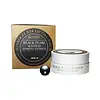
This hydrating eye mask is formulated around Camellia Sinensis Leaf Extract to hydrate skin and calm redness.
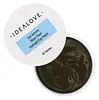
This hydrating eye mask is formulated around Hyaluronic Acid and Dipotassium Glycyrrhizate to hydrate skin and soften the look of wrinkles.

What's inside
What's inside
 Key Ingredients
Benefits
Concerns
Ingredients Side-by-side
Water
Skin ConditioningGlycerin
Humectant


Calcium Chloride
AstringentButylene Glycol
Humectant
Ceratonia Siliqua Gum
EmollientXanthan Gum
EmulsifyingChondrus Crispus
Masking

Ethyl Hexanediol
SolventCitrus Grandis Seed Extract
Astringent
Bambusa Textilis Stem Extract
Skin ConditioningPinus Palustris Leaf Extract
TonicPEG-60 Hydrogenated Castor Oil
Emulsifying


Scutellaria Baicalensis Root Extract
Astringent
Camellia Sinensis Leaf Extract
Antimicrobial





Houttuynia Cordata Extract
Skin Conditioning
Artemisia Vulgaris Extract
Skin Conditioning
Citrus Junos Fruit Extract
Skin Conditioning1,2-Hexanediol
Skin Conditioning
Caprylyl Glycol
Emollient
Phenoxyethanol
Preservative
Methylparaben
Preservative

Chlorphenesin
Antimicrobial
Parfum
Masking

Synthetic Fluorphlogopite
CI 77891
Cosmetic ColorantCI 77491
Cosmetic ColorantPeat Water
Skin ConditioningAlcohol
Antimicrobial

Sodium Hyaluronate
Humectant
Cucumis Sativus Extract
Skin Conditioning
Rosa Centifolia Flower Water
Skin ConditioningChamaecyparis Obtusa Water
MaskingAloe Barbadensis Leaf Extract
Emollient
CI 77480
Cosmetic ColorantPearl Extract
Antioxidant
Betaine
Humectant
Allantoin
Skin Conditioning
Disodium EDTA
ChelatingParaffinum Liquidum
Emollient
Water, Glycerin, Calcium Chloride, Butylene Glycol, Ceratonia Siliqua Gum, Xanthan Gum, Chondrus Crispus, Ethyl Hexanediol, Citrus Grandis Seed Extract, Bambusa Textilis Stem Extract, Pinus Palustris Leaf Extract, PEG-60 Hydrogenated Castor Oil, Scutellaria Baicalensis Root Extract, Camellia Sinensis Leaf Extract, Houttuynia Cordata Extract, Artemisia Vulgaris Extract, Citrus Junos Fruit Extract, 1,2-Hexanediol, Caprylyl Glycol, Phenoxyethanol, Methylparaben, Chlorphenesin, Parfum, Synthetic Fluorphlogopite, CI 77891, CI 77491, Peat Water, Alcohol, Sodium Hyaluronate, Cucumis Sativus Extract, Rosa Centifolia Flower Water, Chamaecyparis Obtusa Water, Aloe Barbadensis Leaf Extract, CI 77480, Pearl Extract, Betaine, Allantoin, Disodium EDTA, Paraffinum Liquidum
Water
Skin ConditioningGlycerin
Humectant
Carrageenan
Pearl Extract
Antioxidant
Hyaluronic Acid
Humectant
Hydrolyzed Hyaluronic Acid
Humectant
Sodium Hyaluronate
Humectant
CI 77480
Cosmetic ColorantOryza Sativa Extract
Absorbent
Sesamum Indicum Seed Extract
Skin Conditioning
Peat Water
Skin ConditioningGlucomannan
Skin ConditioningDipotassium Glycyrrhizate
Humectant
Allantoin
Skin Conditioning
Glycine Soja Seed Extract
Skin Conditioning
Caprylyl Glycol
Emollient
Citric Acid
Buffering
Hydroxypropyl Methylcellulose
Emulsion StabilisingPotassium Sorbate
Preservative
Acacia Senegal Gum
MaskingCeratonia Siliqua Gum
Emollient1,2-Hexanediol
Skin Conditioning
Hydroxyacetophenone
Antioxidant
Calcium Chloride
AstringentChlorphenesin
Antimicrobial
Cyamopsis Tetragonoloba Gum
Emulsion StabilisingPEG-60 Hydrogenated Castor Oil
Emulsifying
Potassium Chloride
Sucrose
Humectant
Mica
Cosmetic ColorantCellulose Gum
Emulsion StabilisingCalcium Lactate
AstringentCI 77891
Cosmetic ColorantDisodium EDTA
ChelatingPotassium Hydroxide
BufferingCI 77491
Cosmetic ColorantButylene Glycol
Humectant
Tocopherol
Antioxidant
Parfum
Masking
Hexyl Cinnamal
Perfuming
Linalool
Perfuming
Limonene
Perfuming
Ethylhexylglycerin
Skin ConditioningWater, Glycerin, Carrageenan, Pearl Extract, Hyaluronic Acid, Hydrolyzed Hyaluronic Acid, Sodium Hyaluronate, CI 77480, Oryza Sativa Extract, Sesamum Indicum Seed Extract, Peat Water, Glucomannan, Dipotassium Glycyrrhizate, Allantoin, Glycine Soja Seed Extract, Caprylyl Glycol, Citric Acid, Hydroxypropyl Methylcellulose, Potassium Sorbate, Acacia Senegal Gum, Ceratonia Siliqua Gum, 1,2-Hexanediol, Hydroxyacetophenone, Calcium Chloride, Chlorphenesin, Cyamopsis Tetragonoloba Gum, PEG-60 Hydrogenated Castor Oil, Potassium Chloride, Sucrose, Mica, Cellulose Gum, Calcium Lactate, CI 77891, Disodium EDTA, Potassium Hydroxide, CI 77491, Butylene Glycol, Tocopherol, Parfum, Hexyl Cinnamal, Linalool, Limonene, Ethylhexylglycerin
Ingredients Explained
These ingredients are found in both products.
Ingredients higher up in an ingredient list are typically present in a larger amount.
1,2-Hexanediol is a synthetic liquid and another multi-functional powerhouse.
It is a:
- Humectant, drawing moisture into the skin
- Emollient, helping to soften skin
- Solvent, dispersing and stabilizing formulas
- Preservative booster, enhancing the antimicrobial activity of other preservatives
Allantoin is a soothing ingredient known for its protective and moisturizing properties; it's basically a quiet workhorse ingredient you can find in a huge range of cosmetics.
Though it can be derived from the comfrey plant, allantoin is produced synthetically for cosmetic products to ensure purity.
Research shows it can encourage your skin cells to turn over and renew by stimulating keratinocyte and fibroblast proliferation.
It also has mild keratolytic properties to help loosen and shed dead skin cells without being harsh.
Studies also suggest allantoin can help calm inflammation by dialing down some of the chemical signals your skin sends out when it is irritated.
This ingredient is typically used in the 0.1-0.5% range, and the FDA recognizes it as a skin protectant in OTC products up to 2%.
Overall, allantoin is a wonderful addition to most routines; it is stable across a wide pH range (~4-8), works well with other ingredients, and is considered non-sensitizing/non-irritating.
Fun fact: Allantoin is naturally occurring in comfrey root, beets, chamomile, and wheat sprouts. Our bodies even produce it as a byproduct of uric acid metabolism.
Learn more about AllantoinButylene Glycol (or BG) is used within cosmetic products for a few different reasons:
Overall, Butylene Glycol is a safe and well-rounded ingredient that works well with other ingredients.
Though this ingredient works well with most skin types, some people with sensitive skin may experience a reaction such as allergic rashes, closed comedones, or itchiness.
Learn more about Butylene GlycolCalcium chloride is a white, odorless, crystalline solid. It is an astringent and can be used to change the viscosity of products.
This ingredient is highly soluble in water, acetic acid, and ethanol.
There are many forms of this ingredient, including monohydrate, dihydrate, tetrahydrate, and hexahydrate.
Learn more about Calcium ChlorideCaprylyl Glycol is a humectant, skin conditioner, emollient, and preservative booster derived from either caprylic acid or synthetically created.
Typical use levels vary from 0.3-1% as a preservative booster and go up to 2% to condition skin.
Because it is not a free-fatty acid, this ingredient is fungal acne safe (there's nothing for Malassezia to feed on).
Learn more about Caprylyl GlycolCeratonia Siliqua Gum is extracted from the seeds of the carob tree. You might know this ingredient as Carob Gum or Locust Bean Gum. It is used to stabilize other ingredients and improve the texture of products.
Carob gum is made up of long-chain polysaccharides. This makes it a natural thickener.
Yes! This ingredient comes from the seeds of a tree. The name 'Locust Bean Gum' can be misleading.
Learn more about Ceratonia Siliqua GumChlorphenesin is a synthetic preservative. It helps protect a product against bacteria in order to extend shelf life. In most cases, Chlorphenesin is paired with other preservatives such as phenoxyethanol and caprylyl glycol.
Chlorphenesin is a biocide. This means it is able to help fight the microorganisms on our skin. It is also able to fight odor-releasing bacteria.
Chlorphenesin is soluble in both water and glycerin.
Studies show Chlorphenesin is easily absorbed by our skin. You should speak with a skincare professional if you have concerns about using Chlorphenesin.
Learn more about ChlorphenesinThis is a color pigment that has a metallic and golden hue.
In the EU, this ingredient is permitted for use as a cosmetic colorant. However, the US and FDA does not list it as an approved cosmetic color additive. This affects how products that contain gold are labeled or formulated in the US market.
As a result, CI 77480 is mainly relevant in the EU regulatory context as a pigment and not an active / treatment ingredient.
Read more about Gold here.
Learn more about CI 77480Ci 77491 is also hydrated iron III oxide. It's sole purpose is to give a red/pink hue to products.
Iron III oxides are classified as inorganic chemicals for coloring.
Synthetically created Ci 77491 is considered safer than those naturally found. This is because the synthetically created version may contain less impurities. Iron oxides are generally non-toxic and non-allergenic.
Learn more about CI 77491Ci 77891 is a white pigment from Titanium dioxide. It is naturally found in minerals such as rutile and ilmenite.
It's main function is to add a white color to cosmetics. It can also be mixed with other colors to create different shades.
Ci 77891 is commonly found in sunscreens due to its ability to block UV rays.
Learn more about CI 77891Disodium EDTA is a chelating agent. It grabs onto and deactivates metal ions that sneak into your products from water, packaging, or air.
This ingredient mainly works behind the scenes and helps with:
On top of that, this ingredient can counteract the effects of hard water by binding to the minerals in it.
One thing worth knowing is that Disodium EDTA has been shown to be a mild penetration enhancer. It can help other ingredients absorb into skin more effectively which can be a double-edged sword (great for actives, but can also make the active too strong if you have sensitive skin).
Clinical patch testing showed no significant skin irritation at typical use concentrations and minimal dermal absorption.
You'll most likely see this ingredient near the end of an ingredient list. It's typically found in concentrations less than 1%.
Learn more about Disodium EDTAGlycerin (or glycerol) is a compound naturally found in your skin. It's a powerhouse humectant that pulls water into the stratum corneum.
Topically, glycerin does several things at once:
Your skin makes glycerin on its own (mostly from sebaceous oil breakdown) and shuttles it to your outermost layer of skin, or your epidermis, via aquaporin-3.
Aquaporin-3 is a transporter that is essential for normal skin hydration, elasticity, and repair. Interestingly, mice lacking in AQP3 have dry and less elastic skin that can be fully corrected with glycerin.
This ingredient is non-irritating, plays well with almost every ingredient, and works across all skin types. Typical use is anywhere between 3-10% but can go up to 79% in some leave-on products.
Just know very high concentrations (>40%) can feel tacky in low humidity.
Glycerin is the name for this ingredient in American English. British English uses Glycerol/Glycerine.
Learn more about GlycerinParfum is a catch-all term for an ingredient or more that is used to give a scent to products.
Also called "fragrance", this ingredient can be a blend of hundreds of chemicals or plant oils. This means every product with "fragrance" or "parfum" in the ingredients list is a different mixture.
For instance, Habanolide is a proprietary trade name for a specific aroma chemical. When used as a fragrance ingredient in cosmetics, most aroma chemicals fall under the broad labeling category of “FRAGRANCE” or “PARFUM” according to EU and US regulations.
The term 'parfum' or 'fragrance' is not regulated in many countries. In many cases, it is up to the brand to define this term.
For instance, many brands choose to label themselves as "fragrance-free" because they are not using synthetic fragrances. However, their products may still contain ingredients such as essential oils that are considered a fragrance by INCI standards.
One example is Calendula flower extract. Calendula is an essential oil that still imparts a scent or 'fragrance'.
Depending on the blend, the ingredients in the mixture can cause allergies and sensitivities on the skin. Some ingredients that are known EU allergens include linalool and citronellol.
Parfum can also be used to mask or cover an unpleasant scent.
The bottom line is: not all fragrances/parfum/ingredients are created equally. If you are worried about fragrances, we recommend taking a closer look at an ingredient. And of course, we always recommend speaking with a professional.
Learn more about ParfumPearl Extract comes from, well, pearls. Pearls are harvested from oysters.
Pearls are rich in amino-acids, magnesium, potassium, calcium, and antioxidant compounds.
Two antioxidants found in pearls include: superoxide dismutase (SOD) and glutathione. Antioxidants aid in reducing the signs of aging.
Studies show pearls can aid in wound healing.
Pearls are harvested from oysters. To be vegan, an ingredient cannot be from an animal source.
Learn more about Pearl ExtractWe don't have a description for Peat Water yet.
Peg-60 Hydrogenated Castor Oil comes from hydrogenated castor oil. It is a solubilizer and emulsifier.
As a solubilizer, it helps dissolve ingredients into a water-based version. It is also an emulsifer. Emulsifier help prevent oils and water from separating. Both these properties help create evenly-spread and uniform products.
Basically, Peg-60 Hydrogenated Castor Oil helps hold ingredients together.
Learn more about PEG-60 Hydrogenated Castor OilSodium Hyaluronate is the salt form of hyaluronic acid. It is a long sugar chain that is naturally found in your skin, joints, and connective tissue that maintains hydration and elasticity.
In skincare, it works as a humectant. It pulls water from the environment and deeper layers of skin and binds it to the surface.
Interestingly, the size of the molecule affects its behavior:
Some clinical evidence links low molecular weight versions to improved wrinkle depth, elasticity, anti-inflammatory effects, and barrier repair.
Many serums use a blend of both weights so you can get surface hydration plus longer-lasting and deeper effects.
You'll typically see concentrations between 0.1-2% for this ingredient.
Learn more about Sodium HyaluronateWater. It's the most common cosmetic ingredient of all. You'll usually see it at the top of ingredient lists, meaning that it makes up the largest part of the product.
So why is it so popular? Water most often acts as a solvent - this means that it helps dissolve other ingredients into the formulation.
You'll also recognize water as that liquid we all need to stay alive. If you see this, drink a glass of water. Remember to stay hydrated!
Learn more about Water

