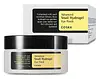
This hydrating eye mask is formulated around Snail Secretion Filtrate and Niacinamide to hydrate skin and calm redness.
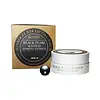
This hydrating eye mask is formulated around Camellia Sinensis Leaf Extract to hydrate skin and calm redness.

What's inside
What's inside
 Key Ingredients
Benefits
Concerns
Ingredients Side-by-side
Water
Skin ConditioningGlycerin
Humectant


Snail Secretion Filtrate
Skin Conditioning


Niacinamide
Smoothing







Carrageenan



1,2-Hexanediol
Skin Conditioning
Ceratonia Siliqua Gum
EmollientBetaine
Humectant
Hydroxyacetophenone
Antioxidant
Allantoin
Skin Conditioning
Chlorphenesin
Antimicrobial
Cyamopsis Tetragonoloba Gum
Emulsion StabilisingCalcium Chloride
AstringentButylene Glycol
Humectant
Sucrose
Humectant
Cellulose Gum
Emulsion StabilisingAdenosine
Skin Conditioning
Potassium Chloride
Dipotassium Glycyrrhizate
Humectant
Ethylhexylglycerin
Skin ConditioningPEG-90m
Emulsion StabilisingWater, Glycerin, Snail Secretion Filtrate, Niacinamide, Carrageenan, 1,2-Hexanediol, Ceratonia Siliqua Gum, Betaine, Hydroxyacetophenone, Allantoin, Chlorphenesin, Cyamopsis Tetragonoloba Gum, Calcium Chloride, Butylene Glycol, Sucrose, Cellulose Gum, Adenosine, Potassium Chloride, Dipotassium Glycyrrhizate, Ethylhexylglycerin, PEG-90m
Water
Skin ConditioningGlycerin
Humectant
Calcium Chloride
AstringentButylene Glycol
Humectant
Ceratonia Siliqua Gum
EmollientXanthan Gum
EmulsifyingChondrus Crispus
Masking
Ethyl Hexanediol
SolventCitrus Grandis Seed Extract
Astringent
Bambusa Textilis Stem Extract
Skin ConditioningPinus Palustris Leaf Extract
TonicPEG-60 Hydrogenated Castor Oil
Emulsifying


Scutellaria Baicalensis Root Extract
Astringent
Camellia Sinensis Leaf Extract
Antimicrobial
Houttuynia Cordata Extract
Skin Conditioning
Artemisia Vulgaris Extract
Skin Conditioning
Citrus Junos Fruit Extract
Skin Conditioning1,2-Hexanediol
Skin Conditioning
Caprylyl Glycol
Emollient
Phenoxyethanol
Preservative
Methylparaben
Preservative

Chlorphenesin
Antimicrobial
Parfum
Masking

Synthetic Fluorphlogopite
CI 77891
Cosmetic ColorantCI 77491
Cosmetic ColorantPeat Water
Skin ConditioningAlcohol
Antimicrobial

Sodium Hyaluronate
Humectant
Cucumis Sativus Extract
Skin Conditioning
Rosa Centifolia Flower Water
Skin ConditioningChamaecyparis Obtusa Water
MaskingAloe Barbadensis Leaf Extract
Emollient
CI 77480
Cosmetic ColorantPearl Extract
Antioxidant
Betaine
Humectant
Allantoin
Skin Conditioning
Disodium EDTA
ChelatingParaffinum Liquidum
Emollient
Water, Glycerin, Calcium Chloride, Butylene Glycol, Ceratonia Siliqua Gum, Xanthan Gum, Chondrus Crispus, Ethyl Hexanediol, Citrus Grandis Seed Extract, Bambusa Textilis Stem Extract, Pinus Palustris Leaf Extract, PEG-60 Hydrogenated Castor Oil, Scutellaria Baicalensis Root Extract, Camellia Sinensis Leaf Extract, Houttuynia Cordata Extract, Artemisia Vulgaris Extract, Citrus Junos Fruit Extract, 1,2-Hexanediol, Caprylyl Glycol, Phenoxyethanol, Methylparaben, Chlorphenesin, Parfum, Synthetic Fluorphlogopite, CI 77891, CI 77491, Peat Water, Alcohol, Sodium Hyaluronate, Cucumis Sativus Extract, Rosa Centifolia Flower Water, Chamaecyparis Obtusa Water, Aloe Barbadensis Leaf Extract, CI 77480, Pearl Extract, Betaine, Allantoin, Disodium EDTA, Paraffinum Liquidum
Reviews
Ingredients Explained
These ingredients are found in both products.
Ingredients higher up in an ingredient list are typically present in a larger amount.
1,2-Hexanediol is a synthetic liquid and another multi-functional powerhouse.
It is a:
- Humectant, drawing moisture into the skin
- Emollient, helping to soften skin
- Solvent, dispersing and stabilizing formulas
- Preservative booster, enhancing the antimicrobial activity of other preservatives
Allantoin is a soothing ingredient known for its protective and moisturizing properties; it's basically a quiet workhorse ingredient you can find in a huge range of cosmetics.
Though it can be derived from the comfrey plant, allantoin is produced synthetically for cosmetic products to ensure purity.
Research shows it can encourage your skin cells to turn over and renew by stimulating keratinocyte and fibroblast proliferation.
It also has mild keratolytic properties to help loosen and shed dead skin cells without being harsh.
Studies also suggest allantoin can help calm inflammation by dialing down some of the chemical signals your skin sends out when it is irritated.
This ingredient is typically used in the 0.1-0.5% range, and the FDA recognizes it as a skin protectant in OTC products up to 2%.
Overall, allantoin is a wonderful addition to most routines; it is stable across a wide pH range (~4-8), works well with other ingredients, and is considered non-sensitizing/non-irritating.
Fun fact: Allantoin is naturally occurring in comfrey root, beets, chamomile, and wheat sprouts. Our bodies even produce it as a byproduct of uric acid metabolism.
Learn more about AllantoinBetaine is a humectant. Like hyaluronic acid, it helps attract and retain moisture in the skin. It’s known for being gentle and for helping the skin maintain balanced hydration.
Betaine is mainly used to improve hydration and support calmer skin. It helps skin cells regulate water balance because it functions as an osmolyte.
Some studies suggest betaine may support making skin tone more even.
Fun fact: Betaine naturally exists in the skin and the body. In cosmetic products, it can be either plant-derived (most commonly from sugar beets) or synthetically produced for consistency and stability.
Betaine is also known as trimethylglycine.
Learn more about BetaineButylene Glycol (or BG) is used within cosmetic products for a few different reasons:
Overall, Butylene Glycol is a safe and well-rounded ingredient that works well with other ingredients.
Though this ingredient works well with most skin types, some people with sensitive skin may experience a reaction such as allergic rashes, closed comedones, or itchiness.
Learn more about Butylene GlycolCalcium chloride is a white, odorless, crystalline solid. It is an astringent and can be used to change the viscosity of products.
This ingredient is highly soluble in water, acetic acid, and ethanol.
There are many forms of this ingredient, including monohydrate, dihydrate, tetrahydrate, and hexahydrate.
Learn more about Calcium ChlorideCeratonia Siliqua Gum is extracted from the seeds of the carob tree. You might know this ingredient as Carob Gum or Locust Bean Gum. It is used to stabilize other ingredients and improve the texture of products.
Carob gum is made up of long-chain polysaccharides. This makes it a natural thickener.
Yes! This ingredient comes from the seeds of a tree. The name 'Locust Bean Gum' can be misleading.
Learn more about Ceratonia Siliqua GumChlorphenesin is a synthetic preservative. It helps protect a product against bacteria in order to extend shelf life. In most cases, Chlorphenesin is paired with other preservatives such as phenoxyethanol and caprylyl glycol.
Chlorphenesin is a biocide. This means it is able to help fight the microorganisms on our skin. It is also able to fight odor-releasing bacteria.
Chlorphenesin is soluble in both water and glycerin.
Studies show Chlorphenesin is easily absorbed by our skin. You should speak with a skincare professional if you have concerns about using Chlorphenesin.
Learn more about ChlorphenesinGlycerin (or glycerol) is a compound naturally found in your skin. It's a powerhouse humectant that pulls water into the stratum corneum.
Topically, glycerin does several things at once:
Your skin makes glycerin on its own (mostly from sebaceous oil breakdown) and shuttles it to your outermost layer of skin, or your epidermis, via aquaporin-3.
Aquaporin-3 is a transporter that is essential for normal skin hydration, elasticity, and repair. Interestingly, mice lacking in AQP3 have dry and less elastic skin that can be fully corrected with glycerin.
This ingredient is non-irritating, plays well with almost every ingredient, and works across all skin types. Typical use is anywhere between 3-10% but can go up to 79% in some leave-on products.
Just know very high concentrations (>40%) can feel tacky in low humidity.
Glycerin is the name for this ingredient in American English. British English uses Glycerol/Glycerine.
Learn more about GlycerinWater. It's the most common cosmetic ingredient of all. You'll usually see it at the top of ingredient lists, meaning that it makes up the largest part of the product.
So why is it so popular? Water most often acts as a solvent - this means that it helps dissolve other ingredients into the formulation.
You'll also recognize water as that liquid we all need to stay alive. If you see this, drink a glass of water. Remember to stay hydrated!
Learn more about Water

