Peter Thomas Roth PRO Strength Niacinamide Discoloration Treatment Versus FaceTheory Azeclear Azelaic Acid Serum A15
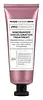
This brightening treatment is formulated around Niacinamide and Tranexamic Acid to fade the look of dark spots and brighten dull-looking skin.
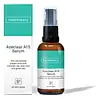
This calming serum is formulated around Azelaic Acid to calm redness and clear breakouts.


What's inside
What's inside
 Key Ingredients
Benefits
Concerns
Ingredients Side-by-side
Water
Skin ConditioningNiacinamide
Smoothing











Isononyl Isononanoate
EmollientDimethyl Isosorbide
SolventTranexamic Acid
Astringent
Dimethicone
Emollient
Propanediol
Solvent
Pentylene Glycol
Skin Conditioning
Caprylic/Capric Triglyceride
Masking
Alpha-Arbutin
Antioxidant

Glyceryl Stearate
Emollient

C9-12 Alkane
SolventCetyl Alcohol
Emollient
Butyrospermum Parkii Butter
Skin Conditioning


Citric Acid
Buffering
Kojic Acid
Antioxidant
Morus Alba Root Extract
BleachingResveratrol
Antioxidant
Scutellaria Lateriflora Extract
Skin ConditioningHydrangea Arborescens Root Extract
Skin ConditioningSqualane
Emollient
Hydrolyzed Vegetable Protein
Skin ConditioningPhenoxyethanol
Preservative
PEG-100 Stearate
Surfactant
Tocopheryl Acetate
Antioxidant
Polyacrylate Crosspolymer-6
Emulsion StabilisingPEG-75 Stearate
Surfactant
Ceteareth-20
Cleansing
Steareth-20
CleansingSilica
Abrasive
Ammonium Acryloyldimethyltaurate/Beheneth-25 Methacrylate Crosspolymer
Emulsion StabilisingDimethiconol
Emollient
Coco-Caprylate/Caprate
Emollient
Hydroxyethyl Acrylate/Sodium Acryloyldimethyl Taurate Copolymer
Emulsion StabilisingTitanium Dioxide
Cosmetic Colorant

Sodium Phytate
ChelatingDiethylhexyl Syringylidenemalonate
Skin Protecting
Potassium Sorbate
Preservative
Sodium Benzoate
Masking
Polysorbate 60
Emulsifying
Polysorbate 20
Emulsifying
T-Butyl Alcohol
Perfuming



Caprylyl Glycol
Emollient
Hexylene Glycol
EmulsifyingSorbitan Isostearate
Emulsifying
Water, Niacinamide, Isononyl Isononanoate, Dimethyl Isosorbide, Tranexamic Acid, Dimethicone, Propanediol, Pentylene Glycol, Caprylic/Capric Triglyceride, Alpha-Arbutin, Glyceryl Stearate, C9-12 Alkane, Cetyl Alcohol, Butyrospermum Parkii Butter, Citric Acid, Kojic Acid, Morus Alba Root Extract, Resveratrol, Scutellaria Lateriflora Extract, Hydrangea Arborescens Root Extract, Squalane, Hydrolyzed Vegetable Protein, Phenoxyethanol, PEG-100 Stearate, Tocopheryl Acetate, Polyacrylate Crosspolymer-6, PEG-75 Stearate, Ceteareth-20, Steareth-20, Silica, Ammonium Acryloyldimethyltaurate/Beheneth-25 Methacrylate Crosspolymer, Dimethiconol, Coco-Caprylate/Caprate, Hydroxyethyl Acrylate/Sodium Acryloyldimethyl Taurate Copolymer, Titanium Dioxide, Sodium Phytate, Diethylhexyl Syringylidenemalonate, Potassium Sorbate, Sodium Benzoate, Polysorbate 60, Polysorbate 20, T-Butyl Alcohol, Caprylyl Glycol, Hexylene Glycol, Sorbitan Isostearate
Water
Skin ConditioningPropanediol
Solvent
Butyloctyl Salicylate
Skin Conditioning
Azelaic Acid 15%
Buffering
Polyglyceryl-6 Stearate
Emollient
Glycerin
Humectant
Polyglyceryl-4 Oleate
Emulsifying
Avena Sativa Kernel Flour
Abrasive
Glyceryl Caprylate
EmollientSodium Anisate
AntimicrobialSodium Levulinate
Skin ConditioningPolyglyceryl-6 Behenate
Emulsion Stabilising
Rosa Canina Fruit Extract
Astringent
Cetyl Hydroxyethylcellulose
Emulsion StabilisingXanthan Gum
EmulsifyingSodium Phytate
ChelatingAloe Barbadensis Leaf Juice
Skin Conditioning
Camellia Sinensis Leaf Extract
Antimicrobial
Water, Propanediol, Butyloctyl Salicylate, Azelaic Acid 15%, Polyglyceryl-6 Stearate, Glycerin, Polyglyceryl-4 Oleate, Avena Sativa Kernel Flour, Glyceryl Caprylate, Sodium Anisate, Sodium Levulinate, Polyglyceryl-6 Behenate, Rosa Canina Fruit Extract, Cetyl Hydroxyethylcellulose, Xanthan Gum, Sodium Phytate, Aloe Barbadensis Leaf Juice, Camellia Sinensis Leaf Extract
Reviews
Ingredients Explained
These ingredients are found in both products.
Ingredients higher up in an ingredient list are typically present in a larger amount.
Propanediol is an all-star ingredient. It softens, hydrates, and smooths the skin.
It’s often used to:
Propanediol is not likely to cause sensitivity and considered safe to use. It is derived from corn or petroleum with a clear color and no scent.
Learn more about PropanediolSodium Phytate is the sodium salt of Phytic acid, a compound that plants store phosphorus in. It's the plant-derived alternative to ingredients like Disodium EDTA.
In skincare, this ingredient is a chelator that grabs onto trace metal ions like iron and copper that sneak into formulas through water/raw materials.
Those metals speed up oxidation so binding them keeps oils, fragrance, and actives from going off, stops color changes, and helps the preservative system work harder.
Survey data shows usage levels range from 0.0099%-0.5% in leave-on products, 0.025%-0.3% in rinse-off, and up to 0.05% in eye-area products. Suppliers typically recommend a range between 0.05-0.5%.
Learn more about Sodium PhytateWater. It's the most common cosmetic ingredient of all. You'll usually see it at the top of ingredient lists, meaning that it makes up the largest part of the product.
So why is it so popular? Water most often acts as a solvent - this means that it helps dissolve other ingredients into the formulation.
You'll also recognize water as that liquid we all need to stay alive. If you see this, drink a glass of water. Remember to stay hydrated!
Learn more about Water

