
What's inside
What's inside
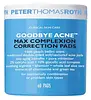 Key Ingredients
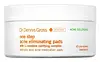
Benefits
Concerns
Ingredients Side-by-side
Salicylic Acid 2%
Masking









Alcohol Denat.
Antimicrobial

Water
Skin ConditioningButylene Glycol
Humectant

Glycolic Acid
Buffering




Hamamelis Virginiana Water
Astringent
Aloe Barbadensis Leaf Juice
Skin Conditioning

Arginine
Masking
Sodium Hydroxide
BufferingChamomilla Recutita Flower Extract
Masking
Parfum
Masking

Prunus Persica Fruit Extract
Abrasive
Camellia Sinensis Leaf Extract
Antimicrobial
Phenoxyethanol
Preservative
Symphytum Officinale Leaf Extract
Skin ConditioningAllantoin
Skin Conditioning
Triethanolamine
BufferingAmyl Cinnamal
Perfuming
Linalool
Perfuming
Limonene
Perfuming
Benzoic Acid
Masking
Geraniol
Perfuming
Butylphenyl Methylpropional
Perfuming
Citronellol
Perfuming
Citric Acid
Buffering
Potassium Sorbate
Preservative
Sodium Benzoate
Masking
Benzyl Alcohol
Perfuming
Citral
Perfuming
Benzyl Benzoate
Antimicrobial
Salicylic Acid 2%, Alcohol Denat., Water, Butylene Glycol, Glycolic Acid, Hamamelis Virginiana Water, Aloe Barbadensis Leaf Juice, Arginine, Sodium Hydroxide, Chamomilla Recutita Flower Extract, Parfum, Prunus Persica Fruit Extract, Camellia Sinensis Leaf Extract, Phenoxyethanol, Symphytum Officinale Leaf Extract, Allantoin, Triethanolamine, Amyl Cinnamal, Linalool, Limonene, Benzoic Acid, Geraniol, Butylphenyl Methylpropional, Citronellol, Citric Acid, Potassium Sorbate, Sodium Benzoate, Benzyl Alcohol, Citral, Benzyl Benzoate
Achillea Millefolium Extract
CleansingAlcohol Denat.
Antimicrobial
Bixa Orellana Seed Oil
Emollient

Ascorbic Acid
Antioxidant
Bentonite
Absorbent
Bisabolol
Antioxidant
Butylene Glycol
Humectant
Caffeine
Skin Conditioning
Camellia Sinensis Leaf Extract
Antimicrobial
Carnitine Hcl
HumectantChamomilla Recutita Flower Extract
Masking
Citric Acid
Buffering
Copper PCA
HumectantCyclodextrin
AbsorbentDimethyl Isosorbide
SolventDisodium EDTA
Ethoxydiglycol
HumectantFarnesol
Perfuming
Parfum
Masking
Glutamic Acid
Humectant
Glutathione
Glycerin
Humectant
Glycolic Acid
Buffering
Hamamelis Virginiana Leaf Extract
Skin Conditioning
Lactic Acid
Buffering
Malic Acid
Buffering
Octoxynol-9
EmulsifyingPantothenic Acid
Skin ConditioningPentasodium Pentetate
Phospholipids
Skin Conditioning
Phytic Acid
Polysorbate 20
Emulsifying
Potassium Azeloyl Diglycinate
Skin Conditioning
Potassium Citrate
BufferingPotassium Gluconate
Skin ProtectingPotassium Hydroxide
BufferingRetinol
Skin Conditioning
Saccharide Isomerate
Humectant
Salix Alba Bark Extract
Astringent
Sodium Benzoate
Masking
Soy Isoflavones
Skin ConditioningTetrapeptide-21
Skin Conditioning
Vitex Agnus Castus Extract
AstringentWater
Skin ConditioningZinc PCA
Humectant
Achillea Millefolium Extract, Alcohol Denat., Bixa Orellana Seed Oil, Ascorbic Acid, Bentonite, Bisabolol, Butylene Glycol, Caffeine, Camellia Sinensis Leaf Extract, Carnitine Hcl, Chamomilla Recutita Flower Extract, Citric Acid, Copper PCA, Cyclodextrin, Dimethyl Isosorbide, Disodium EDTA, Ethoxydiglycol, Farnesol, Parfum, Glutamic Acid, Glutathione, Glycerin, Glycolic Acid, Hamamelis Virginiana Leaf Extract, Lactic Acid, Malic Acid, Octoxynol-9, Pantothenic Acid, Pentasodium Pentetate, Phospholipids, Phytic Acid, Polysorbate 20, Potassium Azeloyl Diglycinate, Potassium Citrate, Potassium Gluconate, Potassium Hydroxide, Retinol, Saccharide Isomerate, Salix Alba Bark Extract, Sodium Benzoate, Soy Isoflavones, Tetrapeptide-21, Vitex Agnus Castus Extract, Water, Zinc PCA
Reviews
Alternatives
Ingredients Explained
These ingredients are found in both products.
Ingredients higher up in an ingredient list are typically present in a larger amount.
Alcohol Denat. is an alcohol with a denaturant property. It is created by mixing ethanol with other additives.
The "denat" part just means "denatured"; common denaturants include Denatonium Benzoate, t-butyl alcohol, and Diethyl Phthalate. This step makes the alcohol undrinkable (and lets brand skip taxes related to beverage alcohol).
This ingredient gets a bad rep because it is irritating and drying due to its astringent property. Astringents draw out natural oils in tissue to constrict pores and dry out your skin.
However, alcohol denat. is not all that bad.
Due to its low molecular weight, alcohol denat. tends to evaporate quickly. One study on pig skin found half of applied alcohol evaporated in 10 seconds and less than 3% stayed on skin.
This also helps other ingredients become better absorbed upon application.
Studies are conflicted about whether this ingredient causes skin dehydration. One study from 2005 found adding emollients to propanol-based sanitizer decreased skin dryness and irritation. Another study found irritation only occurs if your skin is already damaged.
Small amounts of alcohol are generally tolerated by oily skin or people who live in humid environments.
The rule of thumb is this ingredient will probably not affect your skin much if it is near the end of an ingredients list.
One thing to note:
People with ALDH2 (aldehyde dehydrogenase 2) deficiency may experience skin irritation from continued alcohol use. About 8% of the world's population have this deficiency.
The Cosmetic Ingredient Review Expert Panel has determined denatured alcohols to be safe for use in concentrations between 0.05% and 12% (depending on which denaturant is used).
Also...
This ingredient has antimicrobial and solvent properties.
The antimicrobial property helps preserve products and increase their shelf life. As a solvent, it helps dissolve other ingredients.
Look for formulas that contain glycerin, hyaluronic acid, or panthenol if you want to offset any drying effect.
This ingredient will trip away your skin's natural oils/lipids that help it lock in moisture. This can worsen dryness, trigger eczema flare-ups, and aggravate rosacea.
Be sure to patch test any product with this ingredient if you have dry or sensitive skin, eczema, or rosacea.
Learn more about Alcohol Denat.Butylene Glycol (or BG) is used within cosmetic products for a few different reasons:
Overall, Butylene Glycol is a safe and well-rounded ingredient that works well with other ingredients.
Though this ingredient works well with most skin types, some people with sensitive skin may experience a reaction such as allergic rashes, closed comedones, or itchiness.
Learn more about Butylene GlycolCamellia Sinensis Leaf Extract (tea extract) is one of the most well-researched plant extracts in skincare with an impressive resume.
Black tea, green tea, and oolong tea are all harvested from the Camellia Sinensis plant.
Studies show green tea extract and its catechins (like epigallocatechin gallate (EGCG)) help your skin cells product energy more efficiently and reducing the number of free-radicals that can damage your skin from the inside.
In lab-grown skin models, this translated to younger, healthier, and stronger skin.
There's also good sun protection data; researchers saw less DNA damage and redness on human skin when green tea was applied before UVB exposure. And the more they applied, the better the protection.
Needless to say, this ingredient shouldn't replace your sunscreen. But it is a great supportive ingredient that you can already find in many sunscreens and antioxidant serums.
A 2009 study found a 2% green tea lotion was effective for mild-to-moderate acne thanks to its anti-inflammatory and mild antimicrobial activity.
The quality of the extract matters a lot here:
Good extracts contain 50-90% catechins while lower quality ones are mostly there for marketing. We recommend reaching out to the brand if you have questions about the quality or source of their ingredients.
Human Repeated Insult Patch Testing showed no irritation or sensitization at use concentrations (0.86% in leave-on products and up to 30% as leaf water).
Learn more about Camellia Sinensis Leaf ExtractChamomilla Recutita Flower Extract comes from the Chamomile flower.
Chamomile is rich in antioxidants and has anti-inflammatory properties. Several compounds found in chamomile help with soothing, such as bisbolol.
Antioxidant components in chamomile make it an effective ingredient to help slow the signs of aging. Antioxidants help fight free-radical molecules, or molecules that may damage your skin.
Essential oils from chamomile have been found to improve wound healing due to its antimicrobial properties.
Ancient Greeks and Egyptians used Chamomile to treat skin redness and dryness. Chamomile has also been used to help treat stomach issues.
Learn more about Chamomilla Recutita Flower ExtractCitric Acid is an alpha hydroxy acid (AHA) naturally found in citrus fruits like oranges, lemons, and limes.
Like other AHAs, citric acid can exfoliate skin by breaking down the bonds that hold dead skin cells together. This helps reveal smoother and brighter skin underneath.
However, this exfoliating effect only happens at high concentrations (20%) which can be hard to find in cosmetic products.
Due to this, citric acid is usually included in small amounts as a pH adjuster. This helps keep products slightly more acidic and compatible with skin's natural pH.
In skincare formulas, citric acid can:
While it can provide some skin benefits, research shows lactic acid and glycolic acid are generally more effective and less irritating exfoliants.
Most citric acid used in skincare today is made by fermenting sugars (usually from molasses). This synthetic version is identical to the natural citrus form but easier to stabilize and use in formulations.
Read more about some other popular AHA's here:
Learn more about Citric AcidGlycolic Acid is arguably the most famous alpha hydroxy acid (AHA) with tons of research backing its benefits.
It is found naturally in sugar cane but the form used in skincare is usually synthetic for purity and stability.
Glycolic acid removes the top layer of dead skin cells to allow newer and fresher ones to emerge.
AHAs work by breaking down the structural “glue” that holds old skin cells in place. When that buildup is gone, your skin can renew itself more efficiently.
Research also shows glycolic acid stimulates collagen production, helping to firm and thicken the skin over time. This is one of its biggest advantages over other AHAs.
Overall, glycolic acid helps with:
Fun fact: Glycolic acid boosts skin hydration by helping it produce molecules that increase hyaluronic acid naturally.
To work best, glycolic acid products should have a pH between 3-4 (that’s where exfoliation is most effective but still gentle on skin).
The pH and concentration of a product are key to its effectiveness:
It is normal to feel a slight stinging sensation when using glycolic acid. This usually fades as your skin adjusts.
Because glycolic acid has the smallest molecular size in the AHA family, it can penetrate deeper, which enhances its effectiveness but also makes it more likely to irritate sensitive skin.
If your skin is very sensitive or prone to rosacea, glycolic acid may be too strong; in that case, try milder options like lactic acid or a PHA instead.
Recent studies suggest glycolic acid might even help protect against UV damage. But don’t skip sunscreen! Freshly exfoliated skin is more sensitive to the sun.
Glycolic acid is a skincare superstar. It smooths, brightens, hydrates, and firms the skin. Unless you’re highly sensitive, it’s well worth adding to your routine.
Read more about some other popular AHA's here:
Learn more about Glycolic AcidParfum is a catch-all term for an ingredient or more that is used to give a scent to products.
Also called "fragrance", this ingredient can be a blend of hundreds of chemicals or plant oils. This means every product with "fragrance" or "parfum" in the ingredients list is a different mixture.
For instance, Habanolide is a proprietary trade name for a specific aroma chemical. When used as a fragrance ingredient in cosmetics, most aroma chemicals fall under the broad labeling category of “FRAGRANCE” or “PARFUM” according to EU and US regulations.
The term 'parfum' or 'fragrance' is not regulated in many countries. In many cases, it is up to the brand to define this term.
For instance, many brands choose to label themselves as "fragrance-free" because they are not using synthetic fragrances. However, their products may still contain ingredients such as essential oils that are considered a fragrance by INCI standards.
One example is Calendula flower extract. Calendula is an essential oil that still imparts a scent or 'fragrance'.
Depending on the blend, the ingredients in the mixture can cause allergies and sensitivities on the skin. Some ingredients that are known EU allergens include linalool and citronellol.
Parfum can also be used to mask or cover an unpleasant scent.
The bottom line is: not all fragrances/parfum/ingredients are created equally. If you are worried about fragrances, we recommend taking a closer look at an ingredient. And of course, we always recommend speaking with a professional.
Learn more about ParfumSodium Benzoate is a preservative. It's used in both cosmetic and food products to inhibit the growth of mold and bacteria. It is typically produced synthetically.
Both the US FDA and EU Health Committee have approved the use of sodium benzoate. In the US, levels of 0.1% (of the total product) are allowed.
Sodium benzoate works as a preservative by inhibiting the growth of bacteria inside of cells. It prevents the cell from fermenting a type of sugar using an enzyme called phosphofructokinase.
It is the salt of benzoic acid. Foods containing sodium benzoate include soda, salad dressings, condiments, fruit juices, wines, and snack foods.
Studies for using ascorbic acid and sodium benzoate in cosmetics are lacking, especially in skincare routines with multiple steps.
We always recommend speaking with a professional, such as a dermatologist, if you have any concerns.
Learn more about Sodium BenzoateWater. It's the most common cosmetic ingredient of all. You'll usually see it at the top of ingredient lists, meaning that it makes up the largest part of the product.
So why is it so popular? Water most often acts as a solvent - this means that it helps dissolve other ingredients into the formulation.
You'll also recognize water as that liquid we all need to stay alive. If you see this, drink a glass of water. Remember to stay hydrated!
Learn more about Water
