
What's inside
What's inside
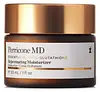 Key Ingredients
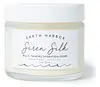
Benefits
Concerns
Ingredients Side-by-side
Water
Skin ConditioningEthylhexyl Palmitate
Emollient


Glycerin
Humectant


Dimethicone
Emollient
Cetearyl Alcohol
Emollient

Glyceryl Stearate
Emollient
Polysorbate 60
Emulsifying
Palmitoyl Glycine
CleansingS-Palmitoylglutathione
Antioxidant
Tetrahexyldecyl Ascorbate
Antioxidant




PEG-100 Stearate
Ribose
HumectantLactic Acid
Buffering





Linum Usitatissimum Seed Oil
Perfuming

Macadamia Ternifolia Seed Oil
Emollient
Phospholipids
Skin Conditioning
Polyglyceryl-10 Stearate
Skin Conditioning
Ethylhexylglycerin
Skin ConditioningSalvia Hispanica Seed Oil
Emollient
Tocopherol
Antioxidant
Helianthus Annuus Seed Oil
Emollient
Rosmarinus Officinalis Leaf Extract
AntimicrobialTetrasodium Glutamate Diacetate
Sodium Hydroxide
BufferingPolyacrylamide
Sodium Acrylates Copolymer
Polysilicone-11
Hydrogenated Polyisobutene
EmollientC13-14 Isoparaffin
Emollient
Laureth-7
EmulsifyingPhenoxyethanol
Preservative
Parfum
Masking
Citronellol
Perfuming

Hydroxycitronellal
Perfuming
Limonene
Perfuming
Linalool
Perfuming
Water, Ethylhexyl Palmitate, Glycerin, Dimethicone, Cetearyl Alcohol, Glyceryl Stearate, Polysorbate 60, Palmitoyl Glycine, S-Palmitoylglutathione, Tetrahexyldecyl Ascorbate, PEG-100 Stearate, Ribose, Lactic Acid, Linum Usitatissimum Seed Oil, Macadamia Ternifolia Seed Oil, Phospholipids, Polyglyceryl-10 Stearate, Ethylhexylglycerin, Salvia Hispanica Seed Oil, Tocopherol, Helianthus Annuus Seed Oil, Rosmarinus Officinalis Leaf Extract, Tetrasodium Glutamate Diacetate, Sodium Hydroxide, Polyacrylamide, Sodium Acrylates Copolymer, Polysilicone-11, Hydrogenated Polyisobutene, C13-14 Isoparaffin, Laureth-7, Phenoxyethanol, Parfum, Citronellol, Hydroxycitronellal, Limonene, Linalool
Aloe Barbadensis Leaf Juice
Skin Conditioning
Prunus Amygdalus Dulcis Oil
Skin Conditioning
Vaccinium Corymbosum Fruit Extract
Skin ConditioningGlyceryl Stearate/Acetate
EmollientStearic Acid
Cleansing
Glycerin
Humectant
Panthenol
Skin Conditioning
Tocopherol
Antioxidant
Persea Gratissima Oil
Skin Conditioning
Calendula Officinalis Flower
Skin Conditioning
Chamomilla Recutita Flower
Skin Conditioning
Lavandula Angustifolia Flower
Skin Conditioning
Trifolium Pratense Flower Extract
AstringentOlea Europaea Fruit Oil
Masking
Helianthus Annuus Seed Oil
Emollient
Oenothera Biennis Oil
Emollient
Limnanthes Alba Seed Oil
Skin Conditioning
Simmondsia Chinensis Seed Oil
Emollient
Butyrospermum Parkii Butter
Skin Conditioning
Theobroma Cacao Seed Butter
Emollient
Macadamia Ternifolia Seed Oil
Emollient
Crithmum Maritimum Extract
Skin ConditioningCitrus Aurantifolia Peel
Skin ConditioningCedrus Atlantica Wood Oil
Perfuming
Lavandula Angustifolia Flower Oil
Masking
Citrus Tangerina Peel
Abrasive
Melia Azadirachta Seed Oil
Emollient
Rosmarinus Officinalis Leaf Extract
AntimicrobialAloe Barbadensis Leaf Juice, Prunus Amygdalus Dulcis Oil, Vaccinium Corymbosum Fruit Extract, Glyceryl Stearate/Acetate, Stearic Acid, Glycerin, Panthenol, Tocopherol, Persea Gratissima Oil, Calendula Officinalis Flower, Chamomilla Recutita Flower, Lavandula Angustifolia Flower, Trifolium Pratense Flower Extract, Olea Europaea Fruit Oil, Helianthus Annuus Seed Oil, Oenothera Biennis Oil, Limnanthes Alba Seed Oil, Simmondsia Chinensis Seed Oil, Butyrospermum Parkii Butter, Theobroma Cacao Seed Butter, Macadamia Ternifolia Seed Oil, Crithmum Maritimum Extract, Citrus Aurantifolia Peel, Cedrus Atlantica Wood Oil, Lavandula Angustifolia Flower Oil, Citrus Tangerina Peel, Melia Azadirachta Seed Oil, Rosmarinus Officinalis Leaf Extract
Reviews
Ingredients Explained
These ingredients are found in both products.
Ingredients higher up in an ingredient list are typically present in a larger amount.
Glycerin (or glycerol) is a compound naturally found in your skin. It's a powerhouse humectant that pulls water into the stratum corneum.
Topically, glycerin does several things at once:
Your skin makes glycerin on its own (mostly from sebaceous oil breakdown) and shuttles it to your outermost layer of skin, or your epidermis, via aquaporin-3.
Aquaporin-3 is a transporter that is essential for normal skin hydration, elasticity, and repair. Interestingly, mice lacking in AQP3 have dry and less elastic skin that can be fully corrected with glycerin.
This ingredient is non-irritating, plays well with almost every ingredient, and works across all skin types. Typical use is anywhere between 3-10% but can go up to 79% in some leave-on products.
Just know very high concentrations (>40%) can feel tacky in low humidity.
Glycerin is the name for this ingredient in American English. British English uses Glycerol/Glycerine.
Learn more about GlycerinHelianthus Annuus Seed Oil is a plant oil derived from the seeds of a sunflower.
It is rich in fatty acids, primarily linoleic acid and oleic acid. This gives it emollient and skin conditioning properties.
The reason this ingredient is so effective is because it forms a thin film on the skin that reduces transepidermal water loss (TEWL) while supplying linoleic acid to the stratum corneum to improve barrier strength.
The high linoleic acid content is particularly noteworthy for acne-prone skin.
Research suggests that acne-prone skin tends to be deficient in linoleic acid in sebum. Topical application may help replenish this to support a healthier follicular environment and less comedone-promoting sebum.
One randomized study found sunflower seed oil preserved skin barrier integrity in adult volunteers with and without atopic dermatitis (outperforming olive oil).
This ingredient is well-studied, gentle, and an effective emollient suitable for most skin types.
On fungal acne: This ingredient may not be Fungal acne (Malassezia folliculitis) safe. This is because it contains fatty acids with carbon chain lengths in the C11-C24 range.
Learn more about Helianthus Annuus Seed OilMacadamia Ternifolia Seed Oil is the fixed oil obtained from Macadamia nut native to Australia. Due to its similarity with our skin's natural oils, macadamia oil absorbs easily without feeling greasy.
Macadamia seed oil is rich in fatty acids, including oleic acid (45-75%), palmitoleic acid (7-33%), and palmitic acid (6-12%). They also contain various B vitamins, iron, and magnesium.
Palmitoleic acid helps calm inflammation and supports wound healing while oleic acid helps hydrate the skin.
Due to the high amounts of palmitic and oleic acid, this ingredient may not be fungal acne safe. These are fatty acids that Malassezia yeast can feed on (C11-C24 chain length). If you're prone to fungal acne, this one's probably not for you.
You'll also see this ingredient listed as: Macadamia Integrifolia Seed Oil . This is the same ingredient; M. ternifolia is an older INCI naming convention for the edible macadamia nut, while M. integrifolia is the species actually cultivated for oil production. Both names refer to the same oil.
Learn more about Macadamia Ternifolia Seed OilRosmarinus Officinalis Leaf Extract comes from rosemary. Rosemary is native to the Mediterranean.
While Rosmarinus Officinalis Leaf Oil can be volatile due to its fragrant properties, the fragrance components are usually removed in the leaf extract.
Rosemary Leaf Extract contains many antioxidants such as rosmarinic acid and caffeic acid. Rosemarinic acid, a compound found in rosemary leaf, has been found to help soothe skin conditions such as eczema and acne.
Learn more about Rosmarinus Officinalis Leaf ExtractTocopherol is a fat-soluble antioxidant known as Vitamin E.
You'll find this ingredient in the vast majority of skincare (for good reason). It works to neutralize free radicals, or unstable molecules generated by UV exposure, pollution, and other environmental stressors, before they can cause oxidative damage to your skin cells.
Topically applied tocopherol has been shown to protect against UV damage by ramping up the skin's own natural defense enzymes.
It also acts as a skin conditioning agent; some studies show that regular topical use can improve the skin's water-binding capacity over 2-4 weeks.
This ingredient is especially loved for being a team player. When combined with Vitamin C, the photoprotective effect of both ingredients roughly doubles and the combo also helps reduce UV-induced DNA damage.
This ingredient has some brightening potential but it's more of a prevention ingredient than spot-fader. Cell studies show it can slow down melanin production but it's worth noting that it's not the most powerful brightener out there.
In formulations, it also serves as a stabilizer that helps protect other oxidation-prone ingredients from degrading.
Concentrations usually range from 0.1-1% in most leave-on products.
Learn more about Tocopherol
