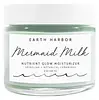
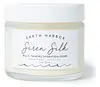
Earth Harbor Mermaid Milk Nutrient Glow Moisturizer Versus Earth Harbor Siren Silk Multi-Tasking Hydration Creme
This calming moisturizer is formulated around Aloe Barbadensis Leaf Juice and Camellia Sinensis Extract to calm redness and hydrate skin.
This calming night moisturizer is formulated around Aloe Barbadensis Leaf Juice and Panthenol to calm redness and hydrate skin.

What's inside
What's inside
 Key Ingredients
Benefits
Concerns
Ingredients Side-by-side
Aloe Barbadensis Leaf Juice
Skin Conditioning


Cocos Nucifera Oil
Masking







Alcohol
Antimicrobial


Camellia Sinensis Extract
Antioxidant

Cetearyl Palmitate
EmollientSpirulina Platensis Extract
Skin ProtectingOlea Europaea Fruit Oil
Masking
Sodium Hyaluronate
Humectant


Melia Azadirachta Extract
Skin ConditioningFragaria Indica Extract
Skin ConditioningSolanum Mauritianum Extract
Skin ConditioningAloe Barbadensis Extract
Skin Conditioning
Ocimum Sanctum Leaf Extract
Skin ConditioningOcimum Basilicum Extract
Antioxidant
Curcuma Longa Root Extract
Antioxidant
Corallina Officinalis Extract
Skin Conditioning
Tanacetum Annuum Flower Oil
Masking
Carica Papaya Fruit
Skin ConditioningPassiflora Edulis Fruit
Skin ConditioningStearic Acid
Cleansing
Citric Acid
Buffering

Nonyl Alcohol
Perfuming
Aloe Barbadensis Leaf Juice, Cocos Nucifera Oil, Alcohol, Camellia Sinensis Extract, Cetearyl Palmitate, Spirulina Platensis Extract, Olea Europaea Fruit Oil, Sodium Hyaluronate, Melia Azadirachta Extract, Fragaria Indica Extract, Solanum Mauritianum Extract, Aloe Barbadensis Extract, Ocimum Sanctum Leaf Extract, Ocimum Basilicum Extract, Curcuma Longa Root Extract, Corallina Officinalis Extract, Tanacetum Annuum Flower Oil, Carica Papaya Fruit, Passiflora Edulis Fruit, Stearic Acid, Citric Acid, Nonyl Alcohol
Aloe Barbadensis Leaf Juice
Skin Conditioning
Prunus Amygdalus Dulcis Oil
Skin Conditioning
Vaccinium Corymbosum Fruit Extract
Skin ConditioningGlyceryl Stearate/Acetate
EmollientStearic Acid
Cleansing
Glycerin
Humectant
Panthenol
Skin Conditioning
Tocopherol
Antioxidant

Persea Gratissima Oil
Skin Conditioning
Calendula Officinalis Flower
Skin Conditioning
Chamomilla Recutita Flower
Skin Conditioning
Lavandula Angustifolia Flower
Skin Conditioning
Trifolium Pratense Flower Extract
AstringentOlea Europaea Fruit Oil
Masking
Helianthus Annuus Seed Oil
Emollient
Oenothera Biennis Oil
Emollient
Limnanthes Alba Seed Oil
Skin Conditioning
Simmondsia Chinensis Seed Oil
Emollient
Butyrospermum Parkii Butter
Skin Conditioning
Theobroma Cacao Seed Butter
Emollient
Macadamia Ternifolia Seed Oil
Emollient
Crithmum Maritimum Extract
Skin ConditioningCitrus Aurantifolia Peel
Skin ConditioningCedrus Atlantica Wood Oil
Perfuming

Lavandula Angustifolia Flower Oil
Masking
Citrus Tangerina Peel
Abrasive
Melia Azadirachta Seed Oil
Emollient
Rosmarinus Officinalis Leaf Extract
AntimicrobialAloe Barbadensis Leaf Juice, Prunus Amygdalus Dulcis Oil, Vaccinium Corymbosum Fruit Extract, Glyceryl Stearate/Acetate, Stearic Acid, Glycerin, Panthenol, Tocopherol, Persea Gratissima Oil, Calendula Officinalis Flower, Chamomilla Recutita Flower, Lavandula Angustifolia Flower, Trifolium Pratense Flower Extract, Olea Europaea Fruit Oil, Helianthus Annuus Seed Oil, Oenothera Biennis Oil, Limnanthes Alba Seed Oil, Simmondsia Chinensis Seed Oil, Butyrospermum Parkii Butter, Theobroma Cacao Seed Butter, Macadamia Ternifolia Seed Oil, Crithmum Maritimum Extract, Citrus Aurantifolia Peel, Cedrus Atlantica Wood Oil, Lavandula Angustifolia Flower Oil, Citrus Tangerina Peel, Melia Azadirachta Seed Oil, Rosmarinus Officinalis Leaf Extract
Reviews
Alternatives
Ingredients Explained
These ingredients are found in both products.
Ingredients higher up in an ingredient list are typically present in a larger amount.
Aloe Barbadensis Leaf Juice is the filtered, stabilized liquid pressed from the inner gel of the aloe vera leaf.
In cosmetics, it shows up as either soothing active or a water-replacement base. It is roughly 98-99% water and the last 1-2% is an interesting mix of polysaccharides, amino acids, vitamins, minerals, and enzymes.
The polysaccharides do most of the work: they bind water at the skin surface for a light, non-greasy hydration boost. And one of the polysaccharides, glycomannan, is linked to fibroblast stimulation + collagen synthesis. This is also why aloe has such a long track record in wound and burn healing.
This ingredient is also calming with anti-inflammatory and mild antimicrobial activity, making it a great pick for sensitive, irritated, or post-sun skin.
Realistic expectations matter though; the solid evidence is mostly limited to hydration, soothing, and wound support. Deeper claims about anti-aging or sun protection are not well backed, and science reviews note it does not prevent radiation-induced skin injury.
Because it plays well with almost everything, it's commonly used as a base alongside other actives like niacinamide or vitamin C.
Typical usage concentrations range from 0.5% (where hydration benefits already show up) all the way to 90%+ (where it replaces water as the main base).
The safety for this ingredient is well-establish as well. Overall, this is a great supporting ingredient for those who want a boost in hydration.
Learn more about Aloe Barbadensis Leaf JuiceThis ingredient is also known as olive oil. It has been used in skincare for centuries and science largely backs up its reputation as a nourishing emollient.
The main components of olive oil are oleic acid (55-83%), linoleic acid (3.5-20%), and palmitic acid (7-20%). Oleic acid promotes skin regeneration and helps regulate inflammatory responses.
Squalene is also naturally present in olive oil and exhibits moisturizing and antioxidant properties.
The polyphenols in olive oil also show anti-aging promise; one clinical study found a measurable improvement in skin appearance after 30 days of topical serum use.
Just be aware that applying olive oil directly to skin can weaken the barrier and cause redness. One study with volunteers found even people without sensitive skin experienced a significant reduction in stratum corneum integrity and induced mild erythema.
It's best to use this ingredient as part of a carefully crafted formula (instead of putting it on skin directly from the bottle).
Because it has a 0-2 on the comedogenic scale, it is low risk for acne-prone skin. Just remember the overall formulation of a product matters more than a few ingredients with comedogenic ratings.
This ingredient may not be fungal acne safe because of the oleic and palmitic acid content. These fall within the C11-24 fatty acid range that the Malassezia yeast can metabolize to grow.
Overall, olive oil is a well-studied and nourishing skincare ingredient.
Learn more about Olea Europaea Fruit OilStearic Acid is a fatty acid that is already found in your skin. It's one of the free fatty acids that works alongside ceramides and cholesterols to maintain your barrier.
In cosmetics, it is a multitasker:
Safety-wise, the CIR Expert Panel has concluded it to be safe in cosmetics when formulated to be non-irritating and non-sensitizing.
Free stearic acid is a C18 fatty acid that the Malassezia yeast can substrate, so this ingredient may not be fungal acne safe.
This ingredient does have a comedogenic rating of 2-3, but this doesn't mean a formula with this ingredient will clog pores.
Human testing has proved that any finished product with this ingredient won't automatically make you break out; it really comes down to concentration, formula, and your skin.
Learn more about Stearic Acid

