Earth Harbor Siren Silk Multi-Tasking Hydration Creme Versus Andalou Naturals Q10 Night Repair Cream
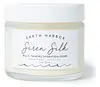
This calming night moisturizer is formulated around Aloe Barbadensis Leaf Juice and Panthenol to calm redness and hydrate skin.
This anti-aging night moisturizer is formulated around Aloe Barbadensis Leaf Juice and Resveratrol to soften the look of wrinkles and hydrate skin.

What's inside
What's inside
 Key Ingredients

Benefits
Concerns
Ingredients Side-by-side
Aloe Barbadensis Leaf Juice
Skin Conditioning


Prunus Amygdalus Dulcis Oil
Skin Conditioning




Vaccinium Corymbosum Fruit Extract
Skin ConditioningGlyceryl Stearate/Acetate
EmollientStearic Acid
Cleansing
Glycerin
Humectant

Panthenol
Skin Conditioning
Tocopherol
Antioxidant




Persea Gratissima Oil
Skin Conditioning
Calendula Officinalis Flower
Skin Conditioning
Chamomilla Recutita Flower
Skin Conditioning
Lavandula Angustifolia Flower
Skin Conditioning
Trifolium Pratense Flower Extract
AstringentOlea Europaea Fruit Oil
Masking
Helianthus Annuus Seed Oil
Emollient
Oenothera Biennis Oil
Emollient
Limnanthes Alba Seed Oil
Skin Conditioning
Simmondsia Chinensis Seed Oil
Emollient
Butyrospermum Parkii Butter
Skin Conditioning
Theobroma Cacao Seed Butter
Emollient
Macadamia Ternifolia Seed Oil
Emollient
Crithmum Maritimum Extract
Skin ConditioningCitrus Aurantifolia Peel
Skin ConditioningCedrus Atlantica Wood Oil
Perfuming

Lavandula Angustifolia Flower Oil
Masking
Citrus Tangerina Peel
Abrasive
Melia Azadirachta Seed Oil
Emollient
Rosmarinus Officinalis Leaf Extract
AntimicrobialAloe Barbadensis Leaf Juice, Prunus Amygdalus Dulcis Oil, Vaccinium Corymbosum Fruit Extract, Glyceryl Stearate/Acetate, Stearic Acid, Glycerin, Panthenol, Tocopherol, Persea Gratissima Oil, Calendula Officinalis Flower, Chamomilla Recutita Flower, Lavandula Angustifolia Flower, Trifolium Pratense Flower Extract, Olea Europaea Fruit Oil, Helianthus Annuus Seed Oil, Oenothera Biennis Oil, Limnanthes Alba Seed Oil, Simmondsia Chinensis Seed Oil, Butyrospermum Parkii Butter, Theobroma Cacao Seed Butter, Macadamia Ternifolia Seed Oil, Crithmum Maritimum Extract, Citrus Aurantifolia Peel, Cedrus Atlantica Wood Oil, Lavandula Angustifolia Flower Oil, Citrus Tangerina Peel, Melia Azadirachta Seed Oil, Rosmarinus Officinalis Leaf Extract
Aloe Barbadensis Leaf Juice
Skin Conditioning
Water
Skin ConditioningDicaprylyl Carbonate
EmollientStearyl Alcohol
Emollient
Linum Usitatissimum Seed Oil
Perfuming
Cetyl Alcohol
Emollient
Ethylhexyl Palmitate
Emollient
Glyceryl Stearate
Emollient
Malus Domestica Fruit Cell Culture Extract
Skin ConditioningTheobroma Cacao Seed Butter
Emollient
Allantoin
Skin Conditioning
Resveratrol
Antioxidant
Ubiquinone
Antioxidant
Hydrolyzed Rice Protein
Skin ConditioningSodium Hyaluronate
Humectant
Lycium Barbarum Fruit Extract
Astringent
Fagus Sylvatica Bud Extract
TonicTocopherol
Antioxidant
Magnesium Ascorbyl Phosphate
Antioxidant


Borago Officinalis Seed Oil
Emollient
Persea Gratissima Oil
Skin Conditioning
Rosa Canina Fruit Oil
Emollient
Oenothera Biennis Oil
Emollient
Squalane
Emollient
Camellia Sinensis Leaf Extract
Antimicrobial
Aspalathus Linearis Extract
Skin ConditioningHibiscus Sabdariffa Flower Extract
Skin ConditioningRiboflavin
Cosmetic ColorantPhenethyl Alcohol
MaskingEthylhexylglycerin
Skin ConditioningEthyl Vanillate
Perfuming
Symphytum Officinale Callus Culture Extract
Skin ConditioningAloe Barbadensis Leaf Juice, Water, Dicaprylyl Carbonate, Stearyl Alcohol, Linum Usitatissimum Seed Oil, Cetyl Alcohol, Ethylhexyl Palmitate, Glyceryl Stearate, Malus Domestica Fruit Cell Culture Extract, Theobroma Cacao Seed Butter, Allantoin, Resveratrol, Ubiquinone, Hydrolyzed Rice Protein, Sodium Hyaluronate, Lycium Barbarum Fruit Extract, Fagus Sylvatica Bud Extract, Tocopherol, Magnesium Ascorbyl Phosphate, Borago Officinalis Seed Oil, Persea Gratissima Oil, Rosa Canina Fruit Oil, Oenothera Biennis Oil, Squalane, Camellia Sinensis Leaf Extract, Aspalathus Linearis Extract, Hibiscus Sabdariffa Flower Extract, Riboflavin, Phenethyl Alcohol, Ethylhexylglycerin, Ethyl Vanillate, Symphytum Officinale Callus Culture Extract
Reviews
Ingredients Explained
These ingredients are found in both products.
Ingredients higher up in an ingredient list are typically present in a larger amount.
Aloe Barbadensis Leaf Juice is the filtered, stabilized liquid pressed from the inner gel of the aloe vera leaf.
In cosmetics, it shows up as either soothing active or a water-replacement base. It is roughly 98-99% water and the last 1-2% is an interesting mix of polysaccharides, amino acids, vitamins, minerals, and enzymes.
The polysaccharides do most of the work: they bind water at the skin surface for a light, non-greasy hydration boost. And one of the polysaccharides, glycomannan, is linked to fibroblast stimulation + collagen synthesis. This is also why aloe has such a long track record in wound and burn healing.
This ingredient is also calming with anti-inflammatory and mild antimicrobial activity, making it a great pick for sensitive, irritated, or post-sun skin.
Realistic expectations matter though; the solid evidence is mostly limited to hydration, soothing, and wound support. Deeper claims about anti-aging or sun protection are not well backed, and science reviews note it does not prevent radiation-induced skin injury.
Because it plays well with almost everything, it's commonly used as a base alongside other actives like niacinamide or vitamin C.
Typical usage concentrations range from 0.5% (where hydration benefits already show up) all the way to 90%+ (where it replaces water as the main base).
The safety for this ingredient is well-establish as well. Overall, this is a great supporting ingredient for those who want a boost in hydration.
Learn more about Aloe Barbadensis Leaf JuiceOenothera Biennis Oil (aka Evening Primrose Oil) is a non-fragrant oil from the evening primrose. Like other botanical oils, it is an emollient that helps hydrate and nourish skin.
It has an interesting fatty acid profile: linoleic (70-74%) and γ-linolenic (8-10%), with some amounts ofoleic palmitic, and stearic acids.
The gamma-linoleic acid (GLA) is the headliner here; it's relatively rare in plant oils and acts as a precursor for anti-inflammatory signaling molecules in the skin.
There's a mixed body of clinical research with this ingredient as well, mostly on eczema/atopic dermatitis skin.
Some controlled trials showed improvement in inflammation, dryness, scaling, and overall severity. Other studies and large meta-analysis failed to show a significant effect; the honest takeaway here is "promising but inconsistent" rather than "miracle oil".
On the safety front, this ingredient is found to be safe as used in cosmetics and even has a history of safe food use.
Since this oil is contains oleic acid and palmitic acid, it may not be fungal acne safe. The Malassezia yeast feeds on fatty acids with carbon chain lengths between C11-C24. Oleic Acid sits at C18 and Palmitic acid sits at C16.
In vitro studies have shown that oleic acid and palmitic acid are some of the fatty acids that induce rapid Malassezia growth in lab settings.
Learn more about Oenothera Biennis OilThis ingredient is also known as Avocado oil. It's the cold-pressed oil from the flesh of the avocado fruit packed with fatty acids (mostly oleic acid).
The rich fatty acid profile allows it to function as a skin conditioning agent and emollient; it helps soften and smooth skin while reducing water loss.
Preclinical research has found that topical avocado oil increased collagen synthesis and reduced inflammation during wound healing, giving it some skin-repairing credibility.
The unsaponifiable fraction of the oil is also interesting: studies on avocado unsaponifiables showed that it helped skin produce more collagen and other structural compounds that support healing.
The CIR Expert Panel has found this ingredient to be non-irritating in formulations.
It's a great ingredient for dry or compromised skin. Just know it may not be fungal acne safe. This is because the oleic acid content falls within the range that Malassezia can use as a food source.
Learn more about Persea Gratissima OilTheobroma Cacao Seed Butter comes from the Theobroma cacoa, or Cacao tree. Cacao trees are native to tropical landscapes.
Like other plant butters, Cacao seed butter is an emollient. Emollients help soothe and soften your skin. By creating a barrier to trap moisture in, emollients help keep your skin hydrated.
Cacao seed butter contains antioxidants known as polyphenols. Antioxidants help fight free-radical molecules by stabilizing them. Unstable free-radicals may cause damage to your skin cells. Antioxidants may help with anti-aging.
Theobroma Cacao Seed Butter can be bad for acne prone skin.
Learn more about Theobroma Cacao Seed ButterTocopherol is a fat-soluble antioxidant known as Vitamin E.
You'll find this ingredient in the vast majority of skincare (for good reason). It works to neutralize free radicals, or unstable molecules generated by UV exposure, pollution, and other environmental stressors, before they can cause oxidative damage to your skin cells.
Topically applied tocopherol has been shown to protect against UV damage by ramping up the skin's own natural defense enzymes.
It also acts as a skin conditioning agent; some studies show that regular topical use can improve the skin's water-binding capacity over 2-4 weeks.
This ingredient is especially loved for being a team player. When combined with Vitamin C, the photoprotective effect of both ingredients roughly doubles and the combo also helps reduce UV-induced DNA damage.
This ingredient has some brightening potential but it's more of a prevention ingredient than spot-fader. Cell studies show it can slow down melanin production but it's worth noting that it's not the most powerful brightener out there.
In formulations, it also serves as a stabilizer that helps protect other oxidation-prone ingredients from degrading.
Concentrations usually range from 0.1-1% in most leave-on products.
Learn more about Tocopherol

