This anti-aging night moisturizer is formulated around Aloe Barbadensis Leaf Juice and Resveratrol to soften the look of wrinkles and hydrate skin.
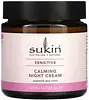
This calming night moisturizer is formulated around Aloe Barbadensis Leaf Juice and Rosa Canina Fruit Oil to calm redness and hydrate skin.


What's inside
What's inside
 Key Ingredients
Benefits
Concerns
Ingredients Side-by-side
Aloe Barbadensis Leaf Juice
Skin Conditioning


Water
Skin ConditioningDicaprylyl Carbonate
EmollientStearyl Alcohol
Emollient


Linum Usitatissimum Seed Oil
Perfuming




Cetyl Alcohol
Emollient
Ethylhexyl Palmitate
Emollient
Glyceryl Stearate
Emollient
Malus Domestica Fruit Cell Culture Extract
Skin ConditioningTheobroma Cacao Seed Butter
Emollient
Allantoin
Skin Conditioning

Resveratrol
Antioxidant


Ubiquinone
Antioxidant
Hydrolyzed Rice Protein
Skin ConditioningSodium Hyaluronate
Humectant
Lycium Barbarum Fruit Extract
Astringent
Fagus Sylvatica Bud Extract
TonicTocopherol
Antioxidant

Magnesium Ascorbyl Phosphate
Antioxidant


Borago Officinalis Seed Oil
Emollient
Persea Gratissima Oil
Skin Conditioning
Rosa Canina Fruit Oil
Emollient
Oenothera Biennis Oil
Emollient
Squalane
Emollient
Camellia Sinensis Leaf Extract
Antimicrobial
Aspalathus Linearis Extract
Skin ConditioningHibiscus Sabdariffa Flower Extract
Skin ConditioningRiboflavin
Cosmetic ColorantPhenethyl Alcohol
MaskingEthylhexylglycerin
Skin ConditioningEthyl Vanillate
Perfuming
Symphytum Officinale Callus Culture Extract
Skin ConditioningAloe Barbadensis Leaf Juice, Water, Dicaprylyl Carbonate, Stearyl Alcohol, Linum Usitatissimum Seed Oil, Cetyl Alcohol, Ethylhexyl Palmitate, Glyceryl Stearate, Malus Domestica Fruit Cell Culture Extract, Theobroma Cacao Seed Butter, Allantoin, Resveratrol, Ubiquinone, Hydrolyzed Rice Protein, Sodium Hyaluronate, Lycium Barbarum Fruit Extract, Fagus Sylvatica Bud Extract, Tocopherol, Magnesium Ascorbyl Phosphate, Borago Officinalis Seed Oil, Persea Gratissima Oil, Rosa Canina Fruit Oil, Oenothera Biennis Oil, Squalane, Camellia Sinensis Leaf Extract, Aspalathus Linearis Extract, Hibiscus Sabdariffa Flower Extract, Riboflavin, Phenethyl Alcohol, Ethylhexylglycerin, Ethyl Vanillate, Symphytum Officinale Callus Culture Extract
Water
Skin ConditioningAloe Barbadensis Leaf Juice
Skin Conditioning
Sesamum Indicum Seed Oil
Emollient
Cetearyl Alcohol
Emollient
Cetyl Alcohol
Emollient
Glycerin
Humectant
Ceteareth-20
Cleansing
Rosa Canina Fruit Oil
Emollient
Theobroma Cacao Seed Butter
Emollient
Simmondsia Chinensis Seed Oil
Emollient
Tocopherol
Antioxidant
Persea Gratissima Oil
Skin Conditioning
Triticum Vulgare Germ Oil
Emollient
Oenothera Biennis Oil
Emollient
Borago Officinalis Seed Oil
Emollient
Cucumis Sativus Fruit Extract
Emollient
Chamomilla Recutita Flower Extract
Masking
Equisetum Arvense Extract
AstringentArctium Lappa Root Extract
Skin Conditioning
Urtica Dioica Leaf Extract
Skin ConditioningVanillin
Masking

Vanilla Planifolia Fruit Extract
Skin Conditioning
Phenoxyethanol
Preservative
Benzyl Alcohol
Perfuming
Water, Aloe Barbadensis Leaf Juice, Sesamum Indicum Seed Oil, Cetearyl Alcohol, Cetyl Alcohol, Glycerin, Ceteareth-20, Rosa Canina Fruit Oil, Theobroma Cacao Seed Butter, Simmondsia Chinensis Seed Oil, Tocopherol, Persea Gratissima Oil, Triticum Vulgare Germ Oil, Oenothera Biennis Oil, Borago Officinalis Seed Oil, Cucumis Sativus Fruit Extract, Chamomilla Recutita Flower Extract, Equisetum Arvense Extract, Arctium Lappa Root Extract, Urtica Dioica Leaf Extract, Vanillin, Vanilla Planifolia Fruit Extract, Phenoxyethanol, Benzyl Alcohol
Reviews
Ingredients Explained
These ingredients are found in both products.
Ingredients higher up in an ingredient list are typically present in a larger amount.
Aloe Barbadensis Leaf Juice is the filtered, stabilized liquid pressed from the inner gel of the aloe vera leaf.
In cosmetics, it shows up as either soothing active or a water-replacement base. It is roughly 98-99% water and the last 1-2% is an interesting mix of polysaccharides, amino acids, vitamins, minerals, and enzymes.
The polysaccharides do most of the work: they bind water at the skin surface for a light, non-greasy hydration boost. And one of the polysaccharides, glycomannan, is linked to fibroblast stimulation + collagen synthesis. This is also why aloe has such a long track record in wound and burn healing.
This ingredient is also calming with anti-inflammatory and mild antimicrobial activity, making it a great pick for sensitive, irritated, or post-sun skin.
Realistic expectations matter though; the solid evidence is mostly limited to hydration, soothing, and wound support. Deeper claims about anti-aging or sun protection are not well backed, and science reviews note it does not prevent radiation-induced skin injury.
Because it plays well with almost everything, it's commonly used as a base alongside other actives like niacinamide or vitamin C.
Typical usage concentrations range from 0.5% (where hydration benefits already show up) all the way to 90%+ (where it replaces water as the main base).
The safety for this ingredient is well-establish as well. Overall, this is a great supporting ingredient for those who want a boost in hydration.
Learn more about Aloe Barbadensis Leaf JuiceBorago Officinalis Seed Oil is the fixed oil pressed from the seed of borage (or starflower). In cosmetics, it's a skin conditioning agent and emollient that helps soften and hydrate the skin.
Its whole reputation rests on one fatty acid, gamma-linolenic acid, that makes up about 20-26% of the oil. There are also significant levels of linoleic, oleic, palmitic, stearic, erucic, and nervonic acids.
Topical evidence is small but reasonably consistent; most of it is about barrier function rather than curing anything.
In 37 infants with seborrhoeic dermatitis treated daily with topical borage oil containing 24% GLA, all patients were free of skin symptoms within 3-4 weeks.
A double-blind placebo controlled trial in 32 children aged 1-10 used undershirts coated with borage oil for two weeks and found statistically significant improvements in erythema and itch. Transepidermal water loss from the back also decreased.
The CIR reviewed this ingredient and concluded it to be safe as used in cosmetics.
Concentration amounts can be as low as fractions of a percent all the way to 100% in facial oils.
Oxidation matters since it's high in polyunsaturates: pairing it with tocopherol or opaque packaging can make a difference.
Allergy risk is low though anyone with a known Boraginaceae allergy should patch test. Cosmetic-grade refined borage oil is usually free from the proteins that cause allergies, but manufacturing quality can differ around the world.
This ingredient shows up on a lot of "pore-clogging" lists but there's no real evidence behind that. It doesn't even have a comedogenic rating from an actual study; the numbers you'll find online come from blogs citing other blogs.
Ratings for other ingredients mostly come from a 1980s rabbit ear test. This test doesn't translate well to human skin or to real products because the ingredient sits at a much lower percentage.
Some people still find it breaks them out. So if that's you, definitely trust your skin.
The Malassezia species takes up external fatty acids in the C11-24 range to survive. Since this oil is a triglyceride of exactly the chain lengths it needs, this ingredient may not be fungal acne safe.
Learn more about Borago Officinalis Seed OilCetyl Alcohol is a fatty alcohol. Fatty Alcohols are most often used as an emollient or to thicken a product.
Its main roles are:
Though it has "alcohol" in the name, it is not related to denatured alcohol or ethyl alcohol.
The FDA allows products labeled "alcohol-free" to have fatty alcohols.
This ingredient may not be fungal acne safe. It is a primary fatty alcohol with a chain length above 12 carbons. A study from 2019 show Malassezia can feed on fatty alcohols in this range, so it may trigger fungal acne in those prone to it.
Learn more about Cetyl AlcoholOenothera Biennis Oil (aka Evening Primrose Oil) is a non-fragrant oil from the evening primrose. Like other botanical oils, it is an emollient that helps hydrate and nourish skin.
It has an interesting fatty acid profile: linoleic (70-74%) and γ-linolenic (8-10%), with some amounts ofoleic palmitic, and stearic acids.
The gamma-linoleic acid (GLA) is the headliner here; it's relatively rare in plant oils and acts as a precursor for anti-inflammatory signaling molecules in the skin.
There's a mixed body of clinical research with this ingredient as well, mostly on eczema/atopic dermatitis skin.
Some controlled trials showed improvement in inflammation, dryness, scaling, and overall severity. Other studies and large meta-analysis failed to show a significant effect; the honest takeaway here is "promising but inconsistent" rather than "miracle oil".
On the safety front, this ingredient is found to be safe as used in cosmetics and even has a history of safe food use.
This ingredient does have a comedogenic rating of 3, but this doesn't mean a formula with this ingredient will clog pores. Human testing has proved that any finished product with this ingredient won't automatically make you break out; it really comes down to concentration, formula, and your skin.
Since this oil is contains oleic acid and palmitic acid, it may not be fungal acne safe. The Malassezia yeast feeds on fatty acids with carbon chain lengths between C11-C24. Oleic Acid sits at C18 and Palmitic acid sits at C16.
In vitro studies have shown that oleic acid and palmitic acid are some of the fatty acids that induce rapid Malassezia growth in lab settings.
Learn more about Oenothera Biennis OilThis ingredient is also known as Avocado oil. It's the cold-pressed oil from the flesh of the avocado fruit packed with fatty acids (mostly oleic acid).
The rich fatty acid profile allows it to function as a skin conditioning agent and emollient; it helps soften and smooth skin while reducing water loss.
Preclinical research has found that topical avocado oil increased collagen synthesis and reduced inflammation during wound healing, giving it some skin-repairing credibility.
The unsaponifiable fraction of the oil is also interesting: studies on avocado unsaponifiables showed that it helped skin produce more collagen and other structural compounds that support healing.
The CIR Expert Panel has found this ingredient to be non-irritating in formulations.
This ingredient may not be fungal acne safe. This is because the oleic acid content falls within the range that Malassezia can use as a food source.
This ingredient does have a comedogenic rating of 0-3, but this doesn't mean a formula with this ingredient will clog pores. Human testing has proved that any finished product with a comedogenic ingredient won't automatically make you break out; it really comes down to concentration, formula, and your skin.
Learn more about Persea Gratissima OilRosa Canina Fruit Oil is a non-fragrant plant oil that has earned its skincare reputation through chemistry.
It's dominated by fatty acids like linoleic acid (~35-55%), alpha-linolenic acid (~17-27%), and oleic acid (~14-22%). This is the exact profile that supports skin barrier, locks in hydration, and calms inflammation.
A 2024 review found evidence for the Rosa canina species supports its use for scarring, hyperpigmentation, wrinkles, and atopic dermatitis; this was mostly credited to its vitamin C content and fatty acid composition as the primary active mechanisms.
You might see this ingredient marketed as a "natural retinol". Some rosehip seed oils contains traces of all-trans-retinoic acid but these trace amounts are far below biologically active levels.
The Cosmetic Ingredient Review Panel has deemed this ingredient safe and it's well-tolerated.
Fungal acne: The fatty acids of this oil fall into the C11-24 range that Malassezia yeast can metabolize, so this ingredient may not be fungal acne safe.
Learn more about Rosa Canina Fruit OilThis ingredient is also known as Cocoa butter; it's the fat pressed out of roasted cocoa beans.
Cocoa butter is solid at room temperature and melts right around body temperature, which is why it feels waxy in the jar and slippery on skin.
It has a very saturated profile (stearic acid ~34 to 36%, oleic acid ~30 to 40%, and palmitic acid ~24 to 29%) that makes it a strong occlusive: it sits on top and slows water escaping from skin.
Concentration data shows that it can show up anywhere from a few percent in lotions up to 100% in balms, and the FDA lists cocoa butter as an OTC skin protectant active at 50-100%.
The CIR has reviewed it and concluded it to be safe as used in cosmetics.
This is one of the ingredients with a comedogenic score of 4/5 from the rabbit ear test. Just know that a later human study did find that finished products containing high-comedogenic ingredients like cocoa butter did not increase microcomedone formation.
The fair call here is that this ingredient is most likely fine on body or low-percentage formulas, but can potentially be riskier as a heavy leave-on facial product if you break out easily.
Cocoa butter may not be fungal acne safe; it is a triglyceride of C16-18 fatty acids that the Malassezia yeast can metabolize.
Allergies to cocoa butter are rare and uncommon, but a few cases have been documented (mostly in cases where the person ate chocolate). So if you have a tree nut allergy, be sure to patch test or avoid.
Learn more about Theobroma Cacao Seed ButterTocopherol is a fat-soluble antioxidant known as Vitamin E.
You'll find this ingredient in the vast majority of skincare (for good reason). It works to neutralize free radicals, or unstable molecules generated by UV exposure, pollution, and other environmental stressors, before they can cause oxidative damage to your skin cells.
Topically applied tocopherol has been shown to protect against UV damage by ramping up the skin's own natural defense enzymes.
It also acts as a skin conditioning agent; some studies show that regular topical use can improve the skin's water-binding capacity over 2-4 weeks.
This ingredient is especially loved for being a team player. When combined with Vitamin C, the photoprotective effect of both ingredients roughly doubles and the combo also helps reduce UV-induced DNA damage.
This ingredient has some brightening potential but it's more of a prevention ingredient than spot-fader. Cell studies show it can slow down melanin production but it's worth noting that it's not the most powerful brightener out there.
In formulations, it also serves as a stabilizer that helps protect other oxidation-prone ingredients from degrading.
Concentrations usually range from 0.1-1% in most leave-on products.
Learn more about TocopherolWater. It's the most common cosmetic ingredient of all. You'll usually see it at the top of ingredient lists, meaning that it makes up the largest part of the product.
So why is it so popular? Water most often acts as a solvent - this means that it helps dissolve other ingredients into the formulation.
You'll also recognize water as that liquid we all need to stay alive. If you see this, drink a glass of water. Remember to stay hydrated!
Learn more about Water

