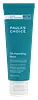
This wash off mask is formulated around Salicylic Acid to clear breakouts and unclog pores.

What's inside
What's inside
 Key Ingredients
Benefits
Concerns
Ingredients Side-by-side
Water
Skin ConditioningKaolin
Abrasive



Bentonite
Absorbent
Glycerin
Humectant


Salix Alba Extract
Skin ConditioningStearic Acid
Cleansing


Steareth-2
EmulsifyingAloe Barbadensis Leaf Juice Powder
Skin Conditioning
Sea Whip Extract
Skin ConditioningColloidal Oatmeal
Absorbent
Bisabolol
Antioxidant
Ascorbyl Palmitate
Antioxidant

Tocopheryl Acetate
Antioxidant
Phospholipids
Skin Conditioning
Panthenol
Skin Conditioning
Retinyl Palmitate
Skin Conditioning

Caprylyl Glycol
Emollient
Butylene Glycol
Humectant
Ethylhexylglycerin
Skin ConditioningHexylene Glycol
EmulsifyingDisodium EDTA
ChelatingPhenoxyethanol
Preservative
Water, Kaolin, Bentonite, Glycerin, Salix Alba Extract, Stearic Acid, Steareth-2, Aloe Barbadensis Leaf Juice Powder, Sea Whip Extract, Colloidal Oatmeal, Bisabolol, Ascorbyl Palmitate, Tocopheryl Acetate, Phospholipids, Panthenol, Retinyl Palmitate, Caprylyl Glycol, Butylene Glycol, Ethylhexylglycerin, Hexylene Glycol, Disodium EDTA, Phenoxyethanol
Salicylic Acid 0.5%
Masking




Water
Skin ConditioningKaolin
Abrasive
Bentonite
Absorbent
Glycerin
Humectant
Polysorbate 20
Emulsifying
Pentylene Glycol
Skin Conditioning
Carthamus Tinctorius Seed Oil
Masking
Cetearyl Alcohol
Emollient

Butylene Glycol
Humectant
Glyceryl Stearate Se
Emulsifying
Polysorbate 60
Emulsifying
Avena Sativa Kernel Extract
Abrasive
Bisabolol
Antioxidant
Spiraea Ulmaria Extract
AstringentMenthol
Masking
10-Hydroxydecanoic Acid
Skin ConditioningSebacic Acid
Buffering1,10-Decanediol
SolventCamphor
Masking
Farnesyl Acetate
Perfuming
Panthenyl Triacetate
Tocopheryl Acetate
Antioxidant
Dipotassium Glycyrrhizate
Humectant
Cinnamomum Zeylanicum Bark Extract
Antimicrobial
Sarcosine
Skin Conditioning
Niacinamide
Smoothing

Yeast Extract
Skin ConditioningAesculus Hippocastanum Seed Extract
Skin ConditioningAmmonium Glycyrrhizate
MaskingPanthenol
Skin Conditioning
Zinc Gluconate
Skin Conditioning
Caffeine
Skin Conditioning
Biotin
AntiseborrhoeicHydroxyethylcellulose
Emulsion StabilisingDisodium EDTA
ChelatingCapryloyl Glycine
Cleansing1,2-Hexanediol
Skin Conditioning
Tropolone
Skin ConditioningCaprylyl Glycol
Emollient
Caprylhydroxamic Acid
ChelatingEthylhexylglycerin
Skin ConditioningMethylpropanediol
SolventCI 77891
Cosmetic ColorantZinc Oxide
Cosmetic Colorant

Salicylic Acid 0.5%, Water, Kaolin, Bentonite, Glycerin, Polysorbate 20, Pentylene Glycol, Carthamus Tinctorius Seed Oil, Cetearyl Alcohol, Butylene Glycol, Glyceryl Stearate Se, Polysorbate 60, Avena Sativa Kernel Extract, Bisabolol, Spiraea Ulmaria Extract, Menthol, 10-Hydroxydecanoic Acid, Sebacic Acid, 1,10-Decanediol, Camphor, Farnesyl Acetate, Panthenyl Triacetate, Tocopheryl Acetate, Dipotassium Glycyrrhizate, Cinnamomum Zeylanicum Bark Extract, Sarcosine, Niacinamide, Yeast Extract, Aesculus Hippocastanum Seed Extract, Ammonium Glycyrrhizate, Panthenol, Zinc Gluconate, Caffeine, Biotin, Hydroxyethylcellulose, Disodium EDTA, Capryloyl Glycine, 1,2-Hexanediol, Tropolone, Caprylyl Glycol, Caprylhydroxamic Acid, Ethylhexylglycerin, Methylpropanediol, CI 77891, Zinc Oxide
Reviews
Ingredients Explained
These ingredients are found in both products.
Ingredients higher up in an ingredient list are typically present in a larger amount.
Bentonite is an aluminium phyllosilicate clay with great absorbent properties. The name 'bentonite' comes from the area where the largest source is found: Fort Benton, Wyoming.
As a clay, bentonite is often used to absorb excess oil and provide exfoliation. It has also been shown to have some antibacterial and anti-inflammatory properties. Studies show bentonite was effective at calming dermatitis from poison ivy and in diaper dermatitis of infants. Bentonite has also been shown to act as a barrier against toxic compounds on your skin.
Sunscreens containing bentonite display higher water resistance and stay on the skin for much longer. The sunscreens containing bentonite also show higher potency and UV light absorbtion.
Bentonite is naturally created from volcanic ash and several natural weathering/hydrothermal processes.
A common usage of bentonite is removing excess protein from white wines. Bentonite contains a property of being able to absorb large amounts of protein from aqueous solutions.
Phyllosilicate clay has a structure formed by sheets.
Learn more about BentoniteBisabolol is a gentle skin conditioner, antioxidant, and soothing ingredient.
It's primary claim to fame is soothing and research shows topically applied bisabolol can quiet the chemical messengers that cause your skin to become inflamed, helping to sooth any irritation.
A clinical study found that applying 0.5% bisabolol daily for 8 weeks produced an average 9% decrease in skin pigmentation. Researchers found it can also suppress the process that leads to excess melanin production in skin.
In vitro studies found that bisabolol combined with propylene glycol significantly increased skin permeability by increasing lipid fluidity in the stratum corneum.
You'll likely see use concentrations quite low, usually 0.1-0.2%.
Overall, this is a well-tolerated ingredient that works well in formulas designed for sensitive, reactive, or post-procedure skin.
Learn more about BisabololButylene Glycol (or BG) is used within cosmetic products for a few different reasons:
Overall, Butylene Glycol is a safe and well-rounded ingredient that works well with other ingredients.
Though this ingredient works well with most skin types, some people with sensitive skin may experience a reaction such as allergic rashes, closed comedones, or itchiness.
Learn more about Butylene GlycolCaprylyl Glycol is a humectant, skin conditioner, emollient, and preservative booster derived from either caprylic acid or synthetically created.
Typical use levels vary from 0.3-1% as a preservative booster and go up to 2% to condition skin.
Because it is not a free-fatty acid, this ingredient is fungal acne safe (there's nothing for Malassezia to feed on).
Learn more about Caprylyl GlycolDisodium EDTA is a chelating agent. It grabs onto and deactivates metal ions that sneak into your products from water, packaging, or air.
This ingredient mainly works behind the scenes and helps with:
On top of that, this ingredient can counteract the effects of hard water by binding to the minerals in it.
One thing worth knowing is that Disodium EDTA has been shown to be a mild penetration enhancer. It can help other ingredients absorb into skin more effectively which can be a double-edged sword (great for actives, but can also make the active too strong if you have sensitive skin).
Clinical patch testing showed no significant skin irritation at typical use concentrations and minimal dermal absorption.
You'll most likely see this ingredient near the end of an ingredient list. It's typically found in concentrations less than 1%.
Learn more about Disodium EDTAEthylhexylglycerin is created from glycerin. It is a multitasker ingredient that:
The CIR Expert Panel found minimal skin absorption or sensitization of any kind in a safety assessment. Though this ingredient is considered well-tolerated, a small number of cases of allergic dermatitis have been published since 2002. Just be sure to patch test if you are unsure.
Industry-reported use ranges from 8% in rinse-off products and 2% in leave-on formulations.
Learn more about EthylhexylglycerinGlycerin (or glycerol) is a compound naturally found in your skin. It's a powerhouse humectant that pulls water into the stratum corneum.
Topically, glycerin does several things at once:
Your skin makes glycerin on its own (mostly from sebaceous oil breakdown) and shuttles it to your outermost layer of skin, or your epidermis, via aquaporin-3.
Aquaporin-3 is a transporter that is essential for normal skin hydration, elasticity, and repair. Interestingly, mice lacking in AQP3 have dry and less elastic skin that can be fully corrected with glycerin.
This ingredient is non-irritating, plays well with almost every ingredient, and works across all skin types. Typical use is anywhere between 3-10% but can go up to 79% in some leave-on products.
Just know very high concentrations (>40%) can feel tacky in low humidity.
Glycerin is the name for this ingredient in American English. British English uses Glycerol/Glycerine.
Learn more about GlycerinKaolin is a clay. It is used for oil control and to help minimize pores. Like other clays, kaolin has the ability to absorb excess sebum or oil. This can help clean out pores and mattify the skin.
Some types of kaolin may have exfoliating properties. When water is added to kaolin, it becomes a paste with small abrasive particles.
Most kaolin is a white color, but may be pink/orange/red depending on where it comes from.
The name 'kaolin' comes from a Chinese village named 'Gaoling'. Kaolin clay comes from rocks rich in kaolinite. Kaolinite, the mineral, has a silicate layered structure. Kaolinite is formed from chemical weathering of aluminum siilicate minerals.
Besides skincare, kaolin is commonly used to make glossy paper, in ceramics, toothpaste, and as medicine to soothe stomach issues.
Learn more about KaolinPanthenol is a common ingredient that helps hydrate and soothe the skin. It is found naturally in our skin and hair.
There are two forms of panthenol: D and L.
D-panthenol is also known as dexpanthenol. Most cosmetics use dexpanthenol or a mixture of D and L-panthenol.
Panthenol is famous due to its ability to go deeper into the skin's layers. Using this ingredient has numerous pros (and no cons):
Like hyaluronic acid, panthenol is a humectant. Humectants are able to bind and hold large amounts of water to keep skin hydrated.
This ingredient works well for wound healing. It works by increasing tissue in the wound and helps close open wounds.
Once oxidized, panthenol converts to pantothenic acid. Panthothenic acid is found in all living cells.
This ingredient is also referred to as pro-vitamin B5.
Learn more about PanthenolTocopheryl Acetate is a stable, shelf-friendly form of vitamin E.
Formulators love it because plain vitamin E oxidizes quickly once it hits air. This acetate version stays stable and resists going off, helping to extend a product's shelf life.
It's actually inactive on its own and works like a slow-release "storage" form; the enzymes in your skin called esterases gradually convert it into active vitamin E over time.
One in vivo study showed 5% of the acetate in the living layer of the epidermis converted to vitamin E after 5 days of application. This study also found the skin gained protection against UV damage even though the conversion was slow and small.
Once converted, vitamin E acts as a skin's main fat-soluble antioxidant that fights free radicals to protect skin from damage.
Topical vitamin E generally boosts the skin's photoprotection, and it reduced UV-damage in animal models.
This ingredient has some brightening potential but it's more of a prevention ingredient than spot-fader. Cell studies show it can slow down melanin production but it's worth noting that it's not the most powerful brightener out there.
Overall, it has a pretty solid safety profile and has been found to be non-irritating and non-comedogenic. Allergic reactions may happen but stay rare due to how widely the ingredient gets used.
The concentration will vary depending on the formula; industry data shows 0.1% in baby lotions, 3% in lipsticks, and 5% in foot powders. You can also find this ingredient at 100% in a pure vitamin E oil.
Most leave-on skincare keeps it at the lower end, often between 0.5-1%.
Learn more about Tocopheryl AcetateWater. It's the most common cosmetic ingredient of all. You'll usually see it at the top of ingredient lists, meaning that it makes up the largest part of the product.
So why is it so popular? Water most often acts as a solvent - this means that it helps dissolve other ingredients into the formulation.
You'll also recognize water as that liquid we all need to stay alive. If you see this, drink a glass of water. Remember to stay hydrated!
Learn more about Water

