

What's inside
What's inside
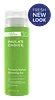 Key Ingredients
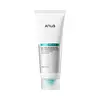
No key ingredients
Benefits
Concerns
Ingredients Side-by-side
Water
Skin ConditioningDecyl Glucoside
Cleansing
Glycerin
Humectant


Sodium Cocoamphoacetate
CleansingLauryl Glucoside
CleansingXanthan Gum
EmulsifyingCoco-Glucoside
Cleansing
Glucose
Humectant
Sodium Cocoyl Glutamate
Cleansing
Sodium Lauryl Glucose Carboxylate
CleansingGlyceryl Oleate
Emollient

Aloe Barbadensis Leaf Juice
Skin Conditioning

Carrageenan


Sodium Phytate
Citric Acid
Buffering


Ethylhexylglycerin
Skin ConditioningPhenoxyethanol
Preservative
Potassium Sorbate
Preservative
Water, Decyl Glucoside, Glycerin, Sodium Cocoamphoacetate, Lauryl Glucoside, Xanthan Gum, Coco-Glucoside, Glucose, Sodium Cocoyl Glutamate, Sodium Lauryl Glucose Carboxylate, Glyceryl Oleate, Aloe Barbadensis Leaf Juice, Carrageenan, Sodium Phytate, Citric Acid, Ethylhexylglycerin, Phenoxyethanol, Potassium Sorbate
Glycerin
Humectant
Water
Skin ConditioningSodium Cocoyl Glycinate
Cleansing
Butylene Glycol
Humectant
Sodium Lauroyl Glutamate
SurfactantLauryl Betaine
Cleansing1,2-Hexanediol
Skin Conditioning
Hydroxypropyl Starch Phosphate
Sodium Methyl Cocoyl Taurate
Cleansing
Potassium Cocoyl Glycinate
Surfactant
Citric Acid
Buffering
Sodium Lauroyl Methylaminopropionate
CleansingSodium Chloride
MaskingPotassium Cocoate
Emulsifying
Caprylyl Glycol
Emollient
Disodium EDTA
Ethylhexylglycerin
Skin ConditioningPolyquaternium-67
Melia Azadirachta Leaf Extract
Skin ConditioningMelia Azadirachta Flower Extract
Skin ConditioningCoptis Japonica Root Extract
Skin ConditioningCoccinia Indica Fruit Extract
Skin ConditioningSodium Dna
Skin Conditioning
Arginine
Masking
Solanum Melongena Fruit Extract
Skin ConditioningOcimum Sanctum Leaf Extract
Skin ConditioningCurcuma Longa Root Extract
Masking
Corallina Officinalis Extract
Skin Conditioning
Hydrolyzed Collagen
Emollient
Sodium Hyaluronate
Humectant
Hydroxypropyltrimonium Hyaluronate
Allantoin
Skin Conditioning
Panthenol
Skin Conditioning
Propanediol
Solvent
Hydrolyzed Hyaluronic Acid
Humectant
Niacinamide
Smoothing





Hydrogenated Lecithin
Emulsifying
Glutathione
Glyceryl Oleate
Emollient
Lauryl Glucoside
CleansingMyristyl Glucoside
CleansingPolyglyceryl-6 Laurate
Emulsifying
Adenosine
Skin Conditioning
Ceramide NP
Skin Conditioning
Hyaluronic Acid
Humectant
Hydrolyzed Sodium Hyaluronate
Skin Conditioning
Potassium Hyaluronate
Skin ConditioningSodium Hyaluronate Crosspolymer
Humectant
Sodium Citrate
BufferingPentylene Glycol
Skin Conditioning
Sodium Acetylated Hyaluronate
Humectant
Glycerin, Water, Sodium Cocoyl Glycinate, Butylene Glycol, Sodium Lauroyl Glutamate, Lauryl Betaine, 1,2-Hexanediol, Hydroxypropyl Starch Phosphate, Sodium Methyl Cocoyl Taurate, Potassium Cocoyl Glycinate, Citric Acid, Sodium Lauroyl Methylaminopropionate, Sodium Chloride, Potassium Cocoate, Caprylyl Glycol, Disodium EDTA, Ethylhexylglycerin, Polyquaternium-67, Melia Azadirachta Leaf Extract, Melia Azadirachta Flower Extract, Coptis Japonica Root Extract, Coccinia Indica Fruit Extract, Sodium Dna, Arginine, Solanum Melongena Fruit Extract, Ocimum Sanctum Leaf Extract, Curcuma Longa Root Extract, Corallina Officinalis Extract, Hydrolyzed Collagen, Sodium Hyaluronate, Hydroxypropyltrimonium Hyaluronate, Allantoin, Panthenol, Propanediol, Hydrolyzed Hyaluronic Acid, Niacinamide, Hydrogenated Lecithin, Glutathione, Glyceryl Oleate, Lauryl Glucoside, Myristyl Glucoside, Polyglyceryl-6 Laurate, Adenosine, Ceramide NP, Hyaluronic Acid, Hydrolyzed Sodium Hyaluronate, Potassium Hyaluronate, Sodium Hyaluronate Crosspolymer, Sodium Citrate, Pentylene Glycol, Sodium Acetylated Hyaluronate
Reviews
Ingredients Explained
These ingredients are found in both products.
Ingredients higher up in an ingredient list are typically present in a larger amount.
Citric Acid is an alpha hydroxy acid (AHA) naturally found in citrus fruits like oranges, lemons, and limes.
Like other AHAs, citric acid can exfoliate skin by breaking down the bonds that hold dead skin cells together. This helps reveal smoother and brighter skin underneath.
However, this exfoliating effect only happens at high concentrations (20%) which can be hard to find in cosmetic products.
Due to this, citric acid is usually included in small amounts as a pH adjuster. This helps keep products slightly more acidic and compatible with skin's natural pH.
In skincare formulas, citric acid can:
While it can provide some skin benefits, research shows lactic acid and glycolic acid are generally more effective and less irritating exfoliants.
Most citric acid used in skincare today is made by fermenting sugars (usually from molasses). This synthetic version is identical to the natural citrus form but easier to stabilize and use in formulations.
Read more about some other popular AHA's here:
Learn more about Citric AcidEthylhexylglycerin is created from glycerin. It is a multitasker ingredient that:
The CIR Expert Panel found minimal skin absorption or sensitization of any kind in a safety assessment. Though this ingredient is considered well-tolerated, a small number of cases of allergic dermatitis have been published since 2002. Just be sure to patch test if you are unsure.
Industry-reported use ranges from 8% in rinse-off products and 2% in leave-on formulations.
Learn more about EthylhexylglycerinGlycerin (or glycerol) is a compound naturally found in your skin. It's a powerhouse humectant that pulls water into the stratum corneum.
Topically, glycerin does several things at once:
Your skin makes glycerin on its own (mostly from sebaceous oil breakdown) and shuttles it to your outermost layer of skin, or your epidermis, via aquaporin-3.
Aquaporin-3 is a transporter that is essential for normal skin hydration, elasticity, and repair. Interestingly, mice lacking in AQP3 have dry and less elastic skin that can be fully corrected with glycerin.
This ingredient is non-irritating, plays well with almost every ingredient, and works across all skin types. Typical use is anywhere between 3-10% but can go up to 79% in some leave-on products.
Just know very high concentrations (>40%) can feel tacky in low humidity.
Glycerin is the name for this ingredient in American English. British English uses Glycerol/Glycerine.
Learn more about GlycerinGlyceryl Oleate is the monoester of glycerin and oleic acid. It is a skin-conditioning emollient that also helps form emulsions.
What makes glyceryl oleate special is its "re-fatting" effect.
When you wash your hair and skin with a surfactant-based cleanser, the surfactants grab onto everything. This includes your skin's natural lipids, or the fats that live in your skin barrier and sebum. Once you rinse these surfactants away, it leaves your skin feeling tight, dry, and clean (in a not-good way).
Re-fatting is essentially putting some of these lipids back. Glyceryl oleate deposits a thin layer of emollient lipids back on the skin or hair surface reduce some of the barrier damage.
Also, glyceryl oleate isn't a foreign molecule to your skin. It's chemically identical to something your skin already produces and manages naturally. This is why it tends to be well-tolerated with low risk of irritation.
Typical use levels range from 0.5-5%.
Glyceryl Oleate has a function of "perfuming" in the CosIng database. This just means that the ingredient has some scent character that can contribute to the product's overall smell.
The scent of this ingredient is described as "waxy".
As an ester of oleic acid, this ingredient may not be fungal acne safe. This is because oleic acid falls into the carbon-chain length that Malassezia can use as a substrate.
Learn more about Glyceryl OleateLauryl Glucoside sugar- and lipid-based cleansing agent. It is created from glucose and lauryl alcohol.
This ingredient is a surfactant, making it easier to rinse oil, dirt, and other pollutants away.
A British study found lauryl glucoside to cause skin sensitivity for some people. We recommend speaking with a professional if you have concerns.
Other names for this ingredient include "Lauryl Polyglucose", "Lauryl glycoside", and "D-Glucopyranoside".
Learn more about Lauryl GlucosideWater. It's the most common cosmetic ingredient of all. You'll usually see it at the top of ingredient lists, meaning that it makes up the largest part of the product.
So why is it so popular? Water most often acts as a solvent - this means that it helps dissolve other ingredients into the formulation.
You'll also recognize water as that liquid we all need to stay alive. If you see this, drink a glass of water. Remember to stay hydrated!
Learn more about Water
