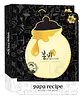
This hydrating sheet mask is formulated around Royal Jelly Extract and Propolis Extract to hydrate skin and calm redness.
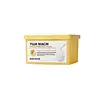
This brightening sheet mask is formulated around Niacinamide to fade the look of dark spots and brighten dull-looking skin.

What's inside
What's inside
 Key Ingredients
Benefits
Concerns
Ingredients Side-by-side
Water
Skin ConditioningGlycerin
Humectant


Dipropylene Glycol
HumectantMethylpropanediol
SolventPropanediol
Solvent
Hydroxyethylcellulose
Emulsion StabilisingGlyceryl Acrylate/Acrylic Acid Copolymer
HumectantPropylene Glycol
Humectant

Pvm/Ma Copolymer
Emulsion StabilisingTrehalose
Humectant
Polysorbate 20
Emulsifying
Panthenol
Skin Conditioning

Carbomer
Emulsion StabilisingArginine
Masking
Disodium EDTA
ChelatingAllantoin
Skin Conditioning
Dipotassium Glycyrrhizate
Humectant
Sodium Hyaluronate
Humectant
Royal Jelly Extract
Skin Conditioning
Propolis Extract
Skin Conditioning

Honey Extract
Humectant
Hydrogenated Lecithin
Emulsifying
Ceramide NP
Skin Conditioning
Glycyrrhiza Glabra Root Extract
Bleaching

Schisandra Chinensis Fruit Extract
Skin Conditioning
Coptis Japonica Root Extract
Skin ConditioningZingiber Officinale Root Extract
Masking
Camellia Sinensis Leaf Extract
Antimicrobial


Citrus Grandis Seed Extract
Astringent
Acorus Calamus Root Extract
Perfuming
Perilla Ocymoides Leaf Extract
TonicParfum
Masking

Water, Glycerin, Dipropylene Glycol, Methylpropanediol, Propanediol, Hydroxyethylcellulose, Glyceryl Acrylate/Acrylic Acid Copolymer, Propylene Glycol, Pvm/Ma Copolymer, Trehalose, Polysorbate 20, Panthenol, Carbomer, Arginine, Disodium EDTA, Allantoin, Dipotassium Glycyrrhizate, Sodium Hyaluronate, Royal Jelly Extract, Propolis Extract, Honey Extract, Hydrogenated Lecithin, Ceramide NP, Glycyrrhiza Glabra Root Extract, Schisandra Chinensis Fruit Extract, Coptis Japonica Root Extract, Zingiber Officinale Root Extract, Camellia Sinensis Leaf Extract, Citrus Grandis Seed Extract, Acorus Calamus Root Extract, Perilla Ocymoides Leaf Extract, Parfum
Water
Skin ConditioningButylene Glycol
Humectant
Propanediol
Solvent
Niacinamide
Smoothing

Isopentyldiol
Humectant
Dipropylene Glycol
HumectantBetaine
Humectant
Citrus Junos Fruit Extract
Skin ConditioningHydroxyacetophenone
Antioxidant
Polyglyceryl-10 Laurate
Skin Conditioning
Bis-Ethoxydiglycol Cyclohexane 1,4-Dicarboxylate
EmollientCaprylyl Glycol
Emollient
1,2-Hexanediol
Skin Conditioning
Carbomer
Emulsion StabilisingArginine
Masking
Ethylhexylglycerin
Skin ConditioningHydroxyethyl Acrylate/Sodium Acryloyldimethyl Taurate Copolymer
Emulsion StabilisingAdenosine
Skin Conditioning
Sodium Polyacrylate
Absorbent
Citrus Junos Peel Oil
Astringent
Sorbitan Isostearate
Emulsifying
Glycerin
Humectant
Arbutin
Antioxidant
Dipotassium Glycyrrhizate
Humectant
Gluconolactone
Chelating
Coptis Japonica Root Extract
Skin ConditioningHydrogenated Lecithin
Emulsifying
Capryloyl Salicylic Acid
Exfoliating
Hydrolyzed Vegetable Protein
Skin ConditioningMaltodextrin
Absorbent
Sodium Ascorbyl Phosphate
Antioxidant
Pancratium Maritimum Extract
BleachingGlutathione
Polyglyceryl-10 Stearate
Skin Conditioning
Ferulic Acid
Antimicrobial
Ascorbyl Glucoside
Antioxidant
Caprylic/Capric Triglyceride
Masking
Retinal
Skin Conditioning
Sodium Stearoyl Glutamate
CleansingMagnesium Ascorbyl Phosphate
Antioxidant
Arginine/Lysine Polypeptide
Skin Conditioning
Disodium EDTA
ChelatingLimonene
Perfuming
Water, Butylene Glycol, Propanediol, Niacinamide, Isopentyldiol, Dipropylene Glycol, Betaine, Citrus Junos Fruit Extract, Hydroxyacetophenone, Polyglyceryl-10 Laurate, Bis-Ethoxydiglycol Cyclohexane 1,4-Dicarboxylate, Caprylyl Glycol, 1,2-Hexanediol, Carbomer, Arginine, Ethylhexylglycerin, Hydroxyethyl Acrylate/Sodium Acryloyldimethyl Taurate Copolymer, Adenosine, Sodium Polyacrylate, Citrus Junos Peel Oil, Sorbitan Isostearate, Glycerin, Arbutin, Dipotassium Glycyrrhizate, Gluconolactone, Coptis Japonica Root Extract, Hydrogenated Lecithin, Capryloyl Salicylic Acid, Hydrolyzed Vegetable Protein, Maltodextrin, Sodium Ascorbyl Phosphate, Pancratium Maritimum Extract, Glutathione, Polyglyceryl-10 Stearate, Ferulic Acid, Ascorbyl Glucoside, Caprylic/Capric Triglyceride, Retinal, Sodium Stearoyl Glutamate, Magnesium Ascorbyl Phosphate, Arginine/Lysine Polypeptide, Disodium EDTA, Limonene
Reviews
Ingredients Explained
These ingredients are found in both products.
Ingredients higher up in an ingredient list are typically present in a larger amount.
Arginine is a semi-essential amino acid. This just means our bodies can product a bit on its own, but sometimes needs a little boost from food sources.
It is a part of your skin's natural moisturizing factor (NMF), or the water-loving molecules in your outermost layer of skin (stratum corneum) that keeps everything hydrated and happy.
Here's an interesting thing about Arginine: your skin converts it into urea through the Krebs-Henseleit urea cycle. Urea is one of the most effective humectants your skin naturally produces.
A clinical study showed applying 2.5% arginine hydrochloride to atopic dermatitis skin showed significant urea levels in the stratum corneum and improved moisture in just four weeks.
Arginine is also a precursor to nitric oxide; nitric oxide improves microcirculation and supports wound healing and collagen synthesis.
One study found that an amino acid complex containing Arginine reduced skin irritation, improved hydration, and accelerated skin repair in clinical / in-vivo studies.
Arginine itself is an amino acid and not a fatty acid, oil, or ester. On its own, it's not a direct food source for Malassezia, or the yeast that causes fungal acne.
Learn more about ArginineCarbomer is a synthetic thickening and gelling agent. It's basically the ingredient that gives a lot of serums, gels, creams, and sunscreens their smooth, non-sticky texture.
Although legally permitted at very high levels, carbomers are normally used at concentrations below 1%.
It also needs to be neutralized to actually thicken, and because it is a large molecule, it doesn't really penetrate the skin barrier.
Allergy-wise, the risk is very low. Clinical studies show carbomers have low potential for skin irritation/sensitization even at concentrations up to 100%.
A 2024 UK study patch-tested 1,302 patients and found true allergy to the parent group of carbomer to be rare with no confirmed relevant reactions.
Learn more about CarbomerCoptis Japonica Root Extract, also known as Japanese Goldthread, is a traditional East Asian herb. It is prized for its anti-inflammatory, antioxidant, and antimicrobial properties.
That’s not all - research in the International Journal of Cosmetic Science found that its active compound, berberine, may help reduce fat accumulation and slow down fat cell development.
This makes it a promising ingredient for slimming and anti-cellulite products!
Learn more about Coptis Japonica Root ExtractDipotassium Glycyrrhizate comes from licorice root.
Extracts of licorice have demonstrated to have antibacterial, anti‐inflammatory, antiviral, antioxidant properties.
One component, glabridin, has extra potent antioxidant and soothing properties. It has also been found to block pigmentation from UVB rays in guinea pigs.
Licorice Root also contains a flavonoid. Flavonoids are a natural substance from in plants. Flavonoids also have antioxidant properties.
Another component, glycyrrhizin, has been found to have anti-inflammatory and antimicrobial benefits. This may make licorice root extract effective at treating acne. However, more research is needed to support this.
Liquiritin is one of the flavone compounds found in licorice. It has been found to help lighten skin by preventing tyrosinase from reacting with tyrosine. When the two react, protein is converted to melanin. Melanin is the substance in your body that gives your features pigmentation.
Licorice root is native to Southern Europe and Asia. It has been used in traditional Chinese medicine to help with respiratory issues.
Learn more about Dipotassium GlycyrrhizateDipropylene Glycol is a synthetically created humectant, stabilizer, and solvent.
This ingredient helps:
Dipropylene glycol is technically an alcohol, but it belongs to the glycol family (often considered part of the ‘good’ alcohols). This means it is hydrating and gentle on skin unlike drying solvent alcohols like denatured alcohol.
As a masking agent, Dipropylene Glycol can be used to cover the smell of other ingredients. However, it does not have a scent.
Studies show Dipropylene Glycol is considered safe to use in skincare.
Learn more about Dipropylene GlycolDisodium EDTA is a chelating agent. It grabs onto and deactivates metal ions that sneak into your products from water, packaging, or air.
This ingredient mainly works behind the scenes and helps with:
On top of that, this ingredient can counteract the effects of hard water by binding to the minerals in it.
One thing worth knowing is that Disodium EDTA has been shown to be a mild penetration enhancer. It can help other ingredients absorb into skin more effectively which can be a double-edged sword (great for actives, but can also make the active too strong if you have sensitive skin).
Clinical patch testing showed no significant skin irritation at typical use concentrations and minimal dermal absorption.
You'll most likely see this ingredient near the end of an ingredient list. It's typically found in concentrations less than 1%.
Learn more about Disodium EDTAGlycerin (or glycerol) is a compound naturally found in your skin. It's a powerhouse humectant that pulls water into the stratum corneum.
Topically, glycerin does several things at once:
Your skin makes glycerin on its own (mostly from sebaceous oil breakdown) and shuttles it to your outermost layer of skin, or your epidermis, via aquaporin-3.
Aquaporin-3 is a transporter that is essential for normal skin hydration, elasticity, and repair. Interestingly, mice lacking in AQP3 have dry and less elastic skin that can be fully corrected with glycerin.
This ingredient is non-irritating, plays well with almost every ingredient, and works across all skin types. Typical use is anywhere between 3-10% but can go up to 79% in some leave-on products.
Just know very high concentrations (>40%) can feel tacky in low humidity.
Glycerin is the name for this ingredient in American English. British English uses Glycerol/Glycerine.
Learn more about GlycerinHydrogenated Lecithin is a more stable version of lecithin.
It's made by taking lecithin (a phospholipid commonly found in soybeans and egg yolks) and hydrogenating it. This just means the unsaturated fatty acids are turned into saturated ones so they don't go bad as easily.
This ingredient is an emollient, emulsifier, and penetration enhancer. As an emollient, it helps soften and hydrate skin by trapping moisture within. As an emulsifier, it prevents oil and water ingredients from separating.
Hydrogenated Lecithin can form tiny spherical structures made of phospholipid bilayers called liposomes. These liposomes are able to capture compounds inside their structure and deliver them through the skin barrier.
Because phospholipids are a natural component of our cell membranes, this ingredient is inherently compatible with skin.
A 2021 study found lecithin-based surfactants were less harsh and more tolerable comared to Sodium Lauryl Sulfate (SLS).
Learn more about Hydrogenated LecithinPropanediol is an all-star ingredient. It softens, hydrates, and smooths the skin.
It’s often used to:
Propanediol is not likely to cause sensitivity and considered safe to use. It is derived from corn or petroleum with a clear color and no scent.
Learn more about PropanediolWater. It's the most common cosmetic ingredient of all. You'll usually see it at the top of ingredient lists, meaning that it makes up the largest part of the product.
So why is it so popular? Water most often acts as a solvent - this means that it helps dissolve other ingredients into the formulation.
You'll also recognize water as that liquid we all need to stay alive. If you see this, drink a glass of water. Remember to stay hydrated!
Learn more about Water

