

What's inside
What's inside
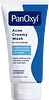 Key Ingredients
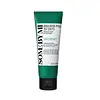
Benefits
Concerns
Ingredients Side-by-side
Benzoyl Peroxide 4%






Carbomer
Emulsion StabilisingDecyl Glucoside
CleansingDimethicone
Emollient
Diheptyl Sodium Sulfosuccinate
CleansingGlycerin
Humectant



Palmitic Acid
Emollient

Polyacrylate Crosspolymer-6
Emulsion StabilisingPEG-40 Stearate
Emulsifying
Propanediol
Solvent
Water
Skin ConditioningSilica
Abrasive
Sodium Chloride
Masking
Sodium Citrate
BufferingSodium Hydroxide
BufferingSodium Laurylglucosides Hydroxypropylsulfonate
CleansingSorbitan Stearate
Emulsifying
Sorbitol
Humectant
Stearic Acid
Cleansing
T-Butyl Alcohol
Perfuming

Xanthan Gum
EmulsifyingBenzoyl Peroxide 4%, Carbomer, Decyl Glucoside, Dimethicone, Diheptyl Sodium Sulfosuccinate, Glycerin, Palmitic Acid, Polyacrylate Crosspolymer-6, PEG-40 Stearate, Propanediol, Water, Silica, Sodium Chloride, Sodium Citrate, Sodium Hydroxide, Sodium Laurylglucosides Hydroxypropylsulfonate, Sorbitan Stearate, Sorbitol, Stearic Acid, T-Butyl Alcohol, Xanthan Gum
Water
Skin ConditioningGlycerin
Humectant
Centella Asiatica Extract
Cleansing


Palmitic Acid
Emollient
Stearic Acid
Cleansing
Lauric Acid
Cleansing
Myristic Acid
Cleansing
Potassium Hydroxide
BufferingLauryl Betaine
CleansingButylene Glycol
Humectant
PEG-100 Stearate
Glyceryl Stearate
Emollient
Beeswax
Emulsion Stabilising
Melaleuca Alternifolia Leaf Water
Antimicrobial
Sodium Methyl Cocoyl Taurate
Cleansing
Potassium Cocoyl Glycinate
Salicylic Acid
Masking


Dipropylene Glycol
HumectantSodium Chloride
Masking
Hydroxyacetophenone
Antioxidant
Mentha Piperita Oil
Masking

Caprylyl Glycol
Emollient
1,2-Hexanediol
Skin Conditioning
Disodium EDTA
Hydroxyethylcellulose
Emulsion StabilisingCalamine
AbsorbentGluconolactone
Skin Conditioning

Citric Acid
Buffering
Potassium Glycyrrhizinate
Skin ConditioningArtemisia Vulgaris Extract
Skin Conditioning
Madecassoside
Antioxidant
Asiaticoside
Antioxidant
Asiatic Acid
Skin ConditioningMadecassic Acid
Skin Conditioning
Water, Glycerin, Centella Asiatica Extract, Palmitic Acid, Stearic Acid, Lauric Acid, Myristic Acid, Potassium Hydroxide, Lauryl Betaine, Butylene Glycol, PEG-100 Stearate, Glyceryl Stearate, Beeswax, Melaleuca Alternifolia Leaf Water, Sodium Methyl Cocoyl Taurate, Potassium Cocoyl Glycinate, Salicylic Acid, Dipropylene Glycol, Sodium Chloride, Hydroxyacetophenone, Mentha Piperita Oil, Caprylyl Glycol, 1,2-Hexanediol, Disodium EDTA, Hydroxyethylcellulose, Calamine, Gluconolactone, Citric Acid, Potassium Glycyrrhizinate, Artemisia Vulgaris Extract, Madecassoside, Asiaticoside, Asiatic Acid, Madecassic Acid
Reviews
Ingredients Explained
These ingredients are found in both products.
Ingredients higher up in an ingredient list are typically present in a larger amount.
Glycerin is already naturally found in your skin. It helps moisturize and protect your skin.
A study from 2016 found glycerin to be more effective as a humectant than AHAs and hyaluronic acid.
As a humectant, it helps the skin stay hydrated by pulling moisture to your skin. The low molecular weight of glycerin allows it to pull moisture into the deeper layers of your skin.
Hydrated skin improves your skin barrier; Your skin barrier helps protect against irritants and bacteria.
Glycerin has also been found to have antimicrobial and antiviral properties. Due to these properties, glycerin is often used in wound and burn treatments.
In cosmetics, glycerin is usually derived from plants such as soybean or palm. However, it can also be sourced from animals, such as tallow or animal fat.
This ingredient is organic, colorless, odorless, and non-toxic.
Glycerin is the name for this ingredient in American English. British English uses Glycerol/Glycerine.
Learn more about GlycerinPalmitic Acid is a fatty acid naturally found in our skin and in many plant and animal sources. In cosmetics, it is usually derived from palm oil. It serves many purposes in skincare, acting as a cleanser, emollient, and emulsifier.
As an emollient, palmitic acid helps soften and smooth the skin by preventing water loss. In cleansers, it helps remove oil and dirt while creating foam.
Its emulsifying properties help stabilize products by keeping water and oil-based ingredients from separating.
This may not be suitable for fungal acne-prone skin, as fatty acids like this can sometimes trigger breakouts in sensitive individuals.
Learn more about Palmitic AcidChances are, you eat sodium chloride every day. Sodium Chloride is also known as table salt.
This ingredient has many purposes in skincare: thickener, emulsifier, and exfoliator.
You'll most likely find this ingredient in cleansers where it is used to create a gel-like texture. As an emulsifier, it also prevents ingredients from separating.
There is much debate on whether this ingredient is comedogenic. The short answer - comedogenic ratings don't tell the whole story. Learn more about comegodenic ratings here.
The concensus about this ingredient causing acne seems to be divided. Research is needed to understand if this ingredient does cause acne.
Scrubs may use salt as the primary exfoliating ingredient.
Learn more about Sodium ChlorideStearic Acid is a fatty acid. It is an emollient, emulsifier, and texture enhancer.
As an emollient, stearic acid helps soften skin. It aids the skin's protective barrier by preventing water loss. It also provides a gentle cleansing effect without stripping away natural oils.
Stearic acid may also be used to enhance the texture of products. It can add volume and stabilize ingredients such as water and oil. This can help water and oil ingredients from separating.
Sources of stearic acid include animal or vegetable fats/oils such as coconut or shea. It can be naturally found in butter, cocoa butter, shea butter, vegetable fats, and animal tallow.
This ingredient may not be Malassezia folliculitis, or fungal-acne safe.
Learn more about Stearic AcidWater. It's the most common cosmetic ingredient of all. You'll usually see it at the top of ingredient lists, meaning that it makes up the largest part of the product.
So why is it so popular? Water most often acts as a solvent - this means that it helps dissolve other ingredients into the formulation.
You'll also recognize water as that liquid we all need to stay alive. If you see this, drink a glass of water. Stay hydrated!
Learn more about Water
