This wash off mask is made with Gluconolactone for a rinse-off oil-control boost.
This mild cream cleanser is made to cleanse without leaving your skin tight or dry.

What's inside
What's inside
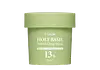 Key Ingredients
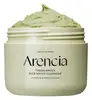
Benefits
Concerns
Ingredients Side-by-side
Montmorillonite
AbsorbentWater 13%
Skin ConditioningGlycerin
Humectant


Methyl Perfluoroisobutyl Ether
SolventLauryl Betaine
CleansingDecyl Glucoside
Cleansing
Hydroxypropyl Starch Phosphate
Coco-Glucoside
Cleansing
Methylpropanediol
SolventSodium Chloride
MaskingHydroxyacetophenone
Antioxidant
Citric Acid
Buffering


CI 77288
Cosmetic ColorantSand
Abrasive
Ethylhexylglycerin
Skin ConditioningCaprylhydroxamic Acid
ChelatingDisodium EDTA
ChelatingTriethoxycaprylylsilane

Ocimum Sanctum Leaf Extract
Skin ConditioningInonotus Obliquus Extract
Skin ConditioningWithania Somnifera Extract
Skin ConditioningGanoderma Lucidum Extract
Skin Protecting
Flower Extract
Butylene Glycol
Humectant
Ocimum Basilicum Leaf Powder
TonicGluconolactone
Chelating





Oak Root Extract
Skin ConditioningAvena Sativa Kernel Extract
Abrasive
Ocimum Basilicum Extract
Antioxidant
Chamomilla Recutita Extract
Skin Conditioning
Lavandula Angustifolia Flower Extract
Cleansing

Sepia Extract
Skin ConditioningSalvia Sclarea Extract
AntiseborrhoeicChrysanthemum Indicum Flower Extract
Skin Conditioning
Hordeum Vulgare Seed Extract
Skin ConditioningCitrus Limon Peel Oil
Masking




Montmorillonite, Water 13%, Glycerin, Methyl Perfluoroisobutyl Ether, Lauryl Betaine, Decyl Glucoside, Hydroxypropyl Starch Phosphate, Coco-Glucoside, Methylpropanediol, Sodium Chloride, Hydroxyacetophenone, Citric Acid, CI 77288, Sand, Ethylhexylglycerin, Caprylhydroxamic Acid, Disodium EDTA, Triethoxycaprylylsilane, Ocimum Sanctum Leaf Extract, Inonotus Obliquus Extract, Withania Somnifera Extract, Ganoderma Lucidum Extract, Flower Extract, Butylene Glycol, Ocimum Basilicum Leaf Powder, Gluconolactone, Oak Root Extract, Avena Sativa Kernel Extract, Ocimum Basilicum Extract, Chamomilla Recutita Extract, Lavandula Angustifolia Flower Extract, Sepia Extract, Salvia Sclarea Extract, Chrysanthemum Indicum Flower Extract, Hordeum Vulgare Seed Extract, Citrus Limon Peel Oil
Glycerin
Humectant
Water
Skin ConditioningSodium Cocoyl Isethionate
Cleansing
Sodium Cocoyl Glycinate
Cleansing
Prunus Amygdalus Dulcis Seed Meal
Abrasive
1,2-Hexanediol
Skin Conditioning
Coconut Acid
Cleansing
Sodium Methyl Cocoyl Taurate
Cleansing
Cellulose
Absorbent
Oryza Sativa Powder
Sodium Isethionate
CleansingHamamelis Virginiana Extract
Antiseborrhoeic
Glyceryl Stearate
Emollient
Hydroxypropyl Starch Phosphate
Propanediol
Solvent
Sodium Chloride
MaskingXanthan Gum
EmulsifyingArtemisia Caruifolia Powder
Abrasive
Parfum
Masking
Caprylyl Glycol
Emollient
Dextrin
AbsorbentGardenia Florida Fruit Extract
Skin ConditioningHexyl Cinnamal
Perfuming
Ethylhexylglycerin
Skin ConditioningDipropylene Glycol
HumectantDisodium EDTA
ChelatingHelianthus Annuus Seed Oil
Emollient
Butylene Glycol
Humectant
Camellia Sinensis Leaf Powder
Olea Europaea Fruit Oil
Masking
Simmondsia Chinensis Seed Oil
Emollient
Sodium Hyaluronate
Humectant
Lupinus Albus Seed Extract
Skin ConditioningPortulaca Oleracea Extract
Skin Conditioning
Adansonia Digitata Fruit Extract
EmollientAnthemis Nobilis Flower Extract
Masking
Centella Asiatica Extract
Cleansing
Chamaecyparis Obtusa Leaf Extract
Skin ConditioningMelaleuca Alternifolia Leaf Extract
Perfuming
Origanum Vulgare Leaf Extract
Skin ConditioningSalix Alba Bark Extract
Astringent
Rosa Canina Fruit Extract
Astringent
Camellia Sinensis Leaf Extract
Antimicrobial
Cinnamomum Cassia Bark Extract
Masking
Lactobacillus/Soybean Ferment Extract
Skin ConditioningNelumbo Nucifera Leaf Extract
Skin ConditioningSaururus Chinensis Extract
Skin ConditioningScutellaria Baicalensis Root Extract
Astringent
Oryza Sativa Extract
Absorbent
Ficus Carica Fruit Extract
Humectant
Lycium Chinense Fruit Extract
Antioxidant
Tocopherol
Antioxidant
Vigna Radiata Seed Extract
Skin ConditioningGlycerin, Water, Sodium Cocoyl Isethionate, Sodium Cocoyl Glycinate, Prunus Amygdalus Dulcis Seed Meal, 1,2-Hexanediol, Coconut Acid, Sodium Methyl Cocoyl Taurate, Cellulose, Oryza Sativa Powder, Sodium Isethionate, Hamamelis Virginiana Extract, Glyceryl Stearate, Hydroxypropyl Starch Phosphate, Propanediol, Sodium Chloride, Xanthan Gum, Artemisia Caruifolia Powder, Parfum, Caprylyl Glycol, Dextrin, Gardenia Florida Fruit Extract, Hexyl Cinnamal, Ethylhexylglycerin, Dipropylene Glycol, Disodium EDTA, Helianthus Annuus Seed Oil, Butylene Glycol, Camellia Sinensis Leaf Powder, Olea Europaea Fruit Oil, Simmondsia Chinensis Seed Oil, Sodium Hyaluronate, Lupinus Albus Seed Extract, Portulaca Oleracea Extract, Adansonia Digitata Fruit Extract, Anthemis Nobilis Flower Extract, Centella Asiatica Extract, Chamaecyparis Obtusa Leaf Extract, Melaleuca Alternifolia Leaf Extract, Origanum Vulgare Leaf Extract, Salix Alba Bark Extract, Rosa Canina Fruit Extract, Camellia Sinensis Leaf Extract, Cinnamomum Cassia Bark Extract, Lactobacillus/Soybean Ferment Extract, Nelumbo Nucifera Leaf Extract, Saururus Chinensis Extract, Scutellaria Baicalensis Root Extract, Oryza Sativa Extract, Ficus Carica Fruit Extract, Lycium Chinense Fruit Extract, Tocopherol, Vigna Radiata Seed Extract
Reviews
Ingredients Explained
These ingredients are found in both products.
Ingredients higher up in an ingredient list are typically present in a larger amount.
Butylene Glycol (or BG) is used within cosmetic products for a few different reasons:
Overall, Butylene Glycol is a safe and well-rounded ingredient that works well with other ingredients.
Though this ingredient works well with most skin types, some people with sensitive skin may experience a reaction such as allergic rashes, closed comedones, or itchiness.
Learn more about Butylene GlycolDisodium EDTA is a chelating agent. It grabs onto and deactivates metal ions that sneak into your products from water, packaging, or air.
This ingredient mainly works behind the scenes and helps with:
On top of that, this ingredient can counteract the effects of hard water by binding to the minerals in it.
One thing worth knowing is that Disodium EDTA has been shown to be a mild penetration enhancer. It can help other ingredients absorb into skin more effectively which can be a double-edged sword (great for actives, but can also make the active too strong if you have sensitive skin).
Clinical patch testing showed no significant skin irritation at typical use concentrations and minimal dermal absorption.
You'll most likely see this ingredient near the end of an ingredient list. It's typically found in concentrations less than 1%.
Learn more about Disodium EDTAEthylhexylglycerin is created from glycerin. It is a multitasker ingredient that:
The CIR Expert Panel found minimal skin absorption or sensitization of any kind in a safety assessment. Though this ingredient is considered well-tolerated, a small number of cases of allergic dermatitis have been published since 2002. Just be sure to patch test if you are unsure.
Industry-reported use ranges from 8% in rinse-off products and 2% in leave-on formulations.
Learn more about EthylhexylglycerinGlycerin (or glycerol) is a compound naturally found in your skin. It's a powerhouse humectant that pulls water into the stratum corneum.
Topically, glycerin does several things at once:
Your skin makes glycerin on its own (mostly from sebaceous oil breakdown) and shuttles it to your outermost layer of skin, or your epidermis, via aquaporin-3.
Aquaporin-3 is a transporter that is essential for normal skin hydration, elasticity, and repair. Interestingly, mice lacking in AQP3 have dry and less elastic skin that can be fully corrected with glycerin.
This ingredient is non-irritating, plays well with almost every ingredient, and works across all skin types. Typical use is anywhere between 3-10% but can go up to 79% in some leave-on products.
Just know very high concentrations (>40%) can feel tacky in low humidity.
Glycerin is the name for this ingredient in American English. British English uses Glycerol/Glycerine.
Learn more about GlycerinHydroxypropyl Starch Phosphate is a modified starch used to help thicken a product.
It is also used in foods.
Chances are, you eat sodium chloride every day. Sodium Chloride is also known as table salt. This ingredient has many purposes in skincare: thickener, emulsifier, and exfoliator.
You'll most likely find this ingredient in cleansers where it is used to create a gel-like texture. As an emulsifier, it also prevents ingredients from separating.
You might see people debate whether Sodium Chloride is comedogenic, but there actually haven't been any comedogenic tests done on it. Either way, the overall formulation of a product matters a lot more than any single ingredient.
You might see this ingredient used in scrubs as a primary exfoliating ingredient.
Learn more about Sodium ChlorideWater. It's the most common cosmetic ingredient of all. You'll usually see it at the top of ingredient lists, meaning that it makes up the largest part of the product.
So why is it so popular? Water most often acts as a solvent - this means that it helps dissolve other ingredients into the formulation.
You'll also recognize water as that liquid we all need to stay alive. If you see this, drink a glass of water. Remember to stay hydrated!
Learn more about Water

