

What's inside
What's inside
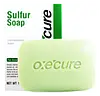 Key Ingredients
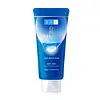
Benefits
Concerns
Ingredients Side-by-side
Sodium Palmate
CleansingSodium Palm Kernelate
CleansingWater
Skin ConditioningSulfur
Antiseborrhoeic


Parfum
Masking



Sodium Chloride
MaskingGlycerin
Humectant


Oryza Sativa Bran Oil
Emollient


Tetrasodium EDTA
Sodium C14-16 Olefin Sulfonate
Cleansing
Hydrolyzed Soy Protein
Humectant
Tetrasodium Etidronate
Emulsion StabilisingCI 77891
Cosmetic ColorantCI 77266
Cosmetic ColorantCI 74260
Cosmetic ColorantCamellia Sinensis Leaf Extract
Antimicrobial




Garcinia Mangostana Peel Extract
Skin ConditioningCI 11680
Cosmetic ColorantSodium Palmate, Sodium Palm Kernelate, Water, Sulfur, Parfum, Sodium Chloride, Glycerin, Oryza Sativa Bran Oil, Tetrasodium EDTA, Sodium C14-16 Olefin Sulfonate, Hydrolyzed Soy Protein, Tetrasodium Etidronate, CI 77891, CI 77266, CI 74260, Camellia Sinensis Leaf Extract, Garcinia Mangostana Peel Extract, CI 11680
Water
Skin ConditioningGlycerin
Humectant
Sodium Cocoyl Glycinate
Cleansing
Hydroxypropyl Starch Phosphate
Butylene Glycol
Humectant
Sodium Methyl Cocoyl Taurate
Cleansing
Decyl Glucoside
Cleansing
Cocamidopropyl Betaine
Cleansing
Citric Acid
Buffering
Glyceryl Stearate Se
Emulsifying


Potassium Cocoyl Glycinate
Surfactant
Styrene/Acrylates Copolymer
Myristic Acid
Cleansing
Polyquaternium-7
Phenoxyethanol
Preservative
Sodium Chloride
MaskingLauric Acid
Cleansing
Chlorphenesin
Antimicrobial
Hydroxypropyl Methylcellulose
Emulsion StabilisingDisodium EDTA
BHT
Antioxidant
Ethylhexylglycerin
Skin ConditioningSodium Citrate
BufferingSodium Benzoate
Masking
Alpha-Arbutin
Antioxidant

Niacinamide
Smoothing

PEG-40 Hydrogenated Castor Oil
Emulsifying
3-O-Ethyl Ascorbic Acid
Skin Conditioning
Octyldodecanol
Emollient
Retinyl Palmitate
Skin Conditioning
Sodium Hyaluronate
Humectant
Sodium Metabisulfite
Antioxidant
Hydrolyzed Sodium Hyaluronate
Skin Conditioning
Lecithin
Emollient
Sodium Acetylated Hyaluronate
Humectant
Phytic Acid
Centella Asiatica Extract
Cleansing
Trehalose
Humectant
Urea
Buffering
1,2-Hexanediol
Skin Conditioning
Pentylene Glycol
Skin Conditioning
Serine
Masking
Biosaccharide Gum-4
Skin Conditioning
Caprylyl Glycol
Emollient
Glyceryl Polyacrylate
Algin
Masking
Disodium Phosphate
BufferingPullulan
Potassium Phosphate
BufferingWater, Glycerin, Sodium Cocoyl Glycinate, Hydroxypropyl Starch Phosphate, Butylene Glycol, Sodium Methyl Cocoyl Taurate, Decyl Glucoside, Cocamidopropyl Betaine, Citric Acid, Glyceryl Stearate Se, Potassium Cocoyl Glycinate, Styrene/Acrylates Copolymer, Myristic Acid, Polyquaternium-7, Phenoxyethanol, Sodium Chloride, Lauric Acid, Chlorphenesin, Hydroxypropyl Methylcellulose, Disodium EDTA, BHT, Ethylhexylglycerin, Sodium Citrate, Sodium Benzoate, Alpha-Arbutin, Niacinamide, PEG-40 Hydrogenated Castor Oil, 3-O-Ethyl Ascorbic Acid, Octyldodecanol, Retinyl Palmitate, Sodium Hyaluronate, Sodium Metabisulfite, Hydrolyzed Sodium Hyaluronate, Lecithin, Sodium Acetylated Hyaluronate, Phytic Acid, Centella Asiatica Extract, Trehalose, Urea, 1,2-Hexanediol, Pentylene Glycol, Serine, Biosaccharide Gum-4, Caprylyl Glycol, Glyceryl Polyacrylate, Algin, Disodium Phosphate, Pullulan, Potassium Phosphate
Ingredients Explained
These ingredients are found in both products.
Ingredients higher up in an ingredient list are typically present in a larger amount.
Glycerin (or glycerol) is a compound naturally found in your skin. It's a powerhouse humectant that pulls water into the stratum corneum.
Topically, glycerin does several things at once:
Your skin makes glycerin on its own (mostly from sebaceous oil breakdown) and shuttles it to your outermost layer of skin, or your epidermis, via aquaporin-3.
Aquaporin-3 is a transporter that is essential for normal skin hydration, elasticity, and repair. Interestingly, mice lacking in AQP3 have dry and less elastic skin that can be fully corrected with glycerin.
This ingredient is non-irritating, plays well with almost every ingredient, and works across all skin types. Typical use is anywhere between 3-10% but can go up to 79% in some leave-on products.
Just know very high concentrations (>40%) can feel tacky in low humidity.
Glycerin is the name for this ingredient in American English. British English uses Glycerol/Glycerine.
Learn more about GlycerinChances are, you eat sodium chloride every day. Sodium Chloride is also known as table salt. This ingredient has many purposes in skincare: thickener, emulsifier, and exfoliator.
You'll most likely find this ingredient in cleansers where it is used to create a gel-like texture. As an emulsifier, it also prevents ingredients from separating.
You might see people debate whether Sodium Chloride is comedogenic, but there actually haven't been any comedogenic tests done on it. Either way, the overall formulation of a product matters a lot more than any single ingredient.
You might see this ingredient used in scrubs as a primary exfoliating ingredient.
Learn more about Sodium ChlorideWater. It's the most common cosmetic ingredient of all. You'll usually see it at the top of ingredient lists, meaning that it makes up the largest part of the product.
So why is it so popular? Water most often acts as a solvent - this means that it helps dissolve other ingredients into the formulation.
You'll also recognize water as that liquid we all need to stay alive. If you see this, drink a glass of water. Remember to stay hydrated!
Learn more about Water

