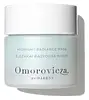
This wash off mask is formulated around Salicylic Acid to clear breakouts and unclog pores.
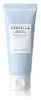
This hydrating overnight mask is formulated around Centella Asiatica Leaf Water and Niacinamide to hydrate skin and calm redness.


What's inside
What's inside
 Key Ingredients
Benefits
Concerns
Ingredients Side-by-side
Water
Skin ConditioningGlycerin
Humectant


Propanediol
Solvent
Alcohol Denat.
Antimicrobial




Saccharomyces/Grape Ferment Extract
Skin Conditioning
Sodium Levulinate
Skin ConditioningSclerotium Gum
Emulsion StabilisingCarbomer
Emulsion StabilisingChondrus Crispus Powder
Abrasive

Sodium Anisate
AntimicrobialEthylhexylglycerin
Skin ConditioningKaolin
Abrasive


Benzyl Alcohol
Perfuming



Salix Nigra Bark Extract
Skin ProtectingCaprylyl/Capryl Glucoside
CleansingSalicylic Acid
Masking


Sodium Hydroxide
BufferingParfum
Masking
Copper Gluconate
Skin Conditioning
Sodium Hyaluronate
Humectant


Phospholipids
Skin Conditioning
Leuconostoc/Radish Root Ferment Filtrate
Antimicrobial
Benzyl Salicylate
Perfuming
Linalool
Perfuming
Limonene
Perfuming
Pancratium Maritimum Extract
BleachingGeraniol
Perfuming
Citronellol
Perfuming
Helianthus Annuus Seed Oil
Emollient
Water, Glycerin, Propanediol, Alcohol Denat., Saccharomyces/Grape Ferment Extract, Sodium Levulinate, Sclerotium Gum, Carbomer, Chondrus Crispus Powder, Sodium Anisate, Ethylhexylglycerin, Kaolin, Benzyl Alcohol, Salix Nigra Bark Extract, Caprylyl/Capryl Glucoside, Salicylic Acid, Sodium Hydroxide, Parfum, Copper Gluconate, Sodium Hyaluronate, Phospholipids, Leuconostoc/Radish Root Ferment Filtrate, Benzyl Salicylate, Linalool, Limonene, Pancratium Maritimum Extract, Geraniol, Citronellol, Helianthus Annuus Seed Oil
Centella Asiatica Leaf Water
Skin Conditioning
Water
Skin ConditioningButylene Glycol
Humectant
Glycerin
Humectant
1,2-Hexanediol
Skin Conditioning
Niacinamide
Smoothing

Polyglutamic Acid
Skin Conditioning
Pantolactone
Humectant
Hydrolyzed Hibiscus Esculentus Extract
Skin ConditioningCarbomer
Emulsion StabilisingPanthenol
Skin Conditioning
Sodium Hyaluronate
Humectant
Hydrolyzed Hyaluronic Acid
Humectant
Hyaluronic Acid
Humectant
Cetearyl Olivate
Methylpropanediol
SolventArginine
Masking
Pullulan
Sorbitan Olivate
Emulsifying
Caprylic/Capric Triglyceride
Masking
Pyrus Communis Fruit Extract
Skin ConditioningAdenosine
Skin Conditioning
Rosa Damascena Flower Water
Masking
Cucumis Melo Fruit Extract
Skin ConditioningIris Florentina Root Extract
MaskingEthylhexylglycerin
Skin ConditioningHedera Helix Leaf/Stem Extract
AntimicrobialSodium Phytate
ChelatingXanthan Gum
EmulsifyingMaltodextrin
Absorbent
Artemisia Princeps Leaf Extract
Skin ConditioningHydrolyzed Gardenia Florida Extract
Antioxidant
Melatonin
Antioxidant
Illicium Verum Fruit Extract
Perfuming
Larix Sibirica Wood Extract
Antimicrobial
Quercus Mongolica Leaf Extract
Skin ConditioningPersicaria Hydropiper Extract
Skin ConditioningRheum Palmatum Root/Stalk Extract
AstringentAsarum Sieboldii Root Extract
Skin ConditioningChrysanthellum Indicum Extract
Skin Conditioning
Corydalis Turtschaninovii Root Extract
Skin ConditioningCoptis Chinensis Root Extract
Antioxidant
Machilus Thunbergii Bark Extract
Skin ConditioningPentylene Glycol
Skin Conditioning
Hydrogenated Lecithin
Emulsifying
Ceramide NP
Skin Conditioning
Centella Asiatica Leaf Water, Water, Butylene Glycol, Glycerin, 1,2-Hexanediol, Niacinamide, Polyglutamic Acid, Pantolactone, Hydrolyzed Hibiscus Esculentus Extract, Carbomer, Panthenol, Sodium Hyaluronate, Hydrolyzed Hyaluronic Acid, Hyaluronic Acid, Cetearyl Olivate, Methylpropanediol, Arginine, Pullulan, Sorbitan Olivate, Caprylic/Capric Triglyceride, Pyrus Communis Fruit Extract, Adenosine, Rosa Damascena Flower Water, Cucumis Melo Fruit Extract, Iris Florentina Root Extract, Ethylhexylglycerin, Hedera Helix Leaf/Stem Extract, Sodium Phytate, Xanthan Gum, Maltodextrin, Artemisia Princeps Leaf Extract, Hydrolyzed Gardenia Florida Extract, Melatonin, Illicium Verum Fruit Extract, Larix Sibirica Wood Extract, Quercus Mongolica Leaf Extract, Persicaria Hydropiper Extract, Rheum Palmatum Root/Stalk Extract, Asarum Sieboldii Root Extract, Chrysanthellum Indicum Extract, Corydalis Turtschaninovii Root Extract, Coptis Chinensis Root Extract, Machilus Thunbergii Bark Extract, Pentylene Glycol, Hydrogenated Lecithin, Ceramide NP
Reviews
Ingredients Explained
These ingredients are found in both products.
Ingredients higher up in an ingredient list are typically present in a larger amount.
Carbomer is a synthetic thickening and gelling agent. It's basically the ingredient that gives a lot of serums, gels, creams, and sunscreens their smooth, non-sticky texture.
Although legally permitted at very high levels, carbomers are normally used at concentrations below 1%.
It also needs to be neutralized to actually thicken, and because it is a large molecule, it doesn't really penetrate the skin barrier.
Allergy-wise, the risk is very low. Clinical studies show carbomers have low potential for skin irritation/sensitization even at concentrations up to 100%.
A 2024 UK study patch-tested 1,302 patients and found true allergy to the parent group of carbomer to be rare with no confirmed relevant reactions.
Learn more about CarbomerEthylhexylglycerin is created from glycerin. It is a multitasker ingredient that:
The CIR Expert Panel found minimal skin absorption or sensitization of any kind in a safety assessment. Though this ingredient is considered well-tolerated, a small number of cases of allergic dermatitis have been published since 2002. Just be sure to patch test if you are unsure.
Industry-reported use ranges from 8% in rinse-off products and 2% in leave-on formulations.
Learn more about EthylhexylglycerinGlycerin (or glycerol) is a compound naturally found in your skin. It's a powerhouse humectant that pulls water into the stratum corneum.
Topically, glycerin does several things at once:
Your skin makes glycerin on its own (mostly from sebaceous oil breakdown) and shuttles it to your outermost layer of skin, or your epidermis, via aquaporin-3.
Aquaporin-3 is a transporter that is essential for normal skin hydration, elasticity, and repair. Interestingly, mice lacking in AQP3 have dry and less elastic skin that can be fully corrected with glycerin.
This ingredient is non-irritating, plays well with almost every ingredient, and works across all skin types. Typical use is anywhere between 3-10% but can go up to 79% in some leave-on products.
Just know very high concentrations (>40%) can feel tacky in low humidity.
Glycerin is the name for this ingredient in American English. British English uses Glycerol/Glycerine.
Learn more about GlycerinSodium Hyaluronate is the salt form of hyaluronic acid. It is a long sugar chain that is naturally found in your skin, joints, and connective tissue that maintains hydration and elasticity.
In skincare, it works as a humectant. It pulls water from the environment and deeper layers of skin and binds it to the surface.
Interestingly, the size of the molecule affects its behavior:
Some clinical evidence links low molecular weight versions to improved wrinkle depth, elasticity, anti-inflammatory effects, and barrier repair.
Many serums use a blend of both weights so you can get surface hydration plus longer-lasting and deeper effects.
You'll typically see concentrations between 0.1-2% for this ingredient.
Learn more about Sodium HyaluronateWater. It's the most common cosmetic ingredient of all. You'll usually see it at the top of ingredient lists, meaning that it makes up the largest part of the product.
So why is it so popular? Water most often acts as a solvent - this means that it helps dissolve other ingredients into the formulation.
You'll also recognize water as that liquid we all need to stay alive. If you see this, drink a glass of water. Remember to stay hydrated!
Learn more about Water

