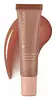
This anti-aging lip moisturizer is formulated around Palmitoyl Hexapeptide-12 and Palmitoyl Tripeptide-1 to soften the look of wrinkles.
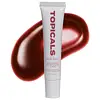
This barrier-repair lip moisturizer is formulated around Sodium Hyaluronate and Ceramide NP to strengthen the lip barrier and hydrate lips.


What's inside
What's inside
 Key Ingredients
Benefits
Concerns
Ingredients Side-by-side
Polybutene
Hydrogenated Polydecene
EmollientBis-Diglyceryl Polyacyladipate-2
Emollient


Hydrogenated Styrene/Isoprene Copolymer
Cera Microcristallina
Emulsion StabilisingSilica
Abrasive


Rubus Chamaemorus Seed Oil
Skin Conditioning
Garcinia Indica Seed Butter
Skin Conditioning
Euterpe Oleracea Sterols
Skin ConditioningPalmitoyl Hexapeptide-12
Skin Conditioning

Palmitoyl Tripeptide-1
Skin Conditioning

Tocopheryl Acetate
Antioxidant


Tocopherol
Antioxidant


Irvingia Gabonensis Kernel Butter
Skin Conditioning
Citrus Aurantium Dulcis Peel Wax
Skin ConditioningLinoleic Acid
Cleansing
Linolenic Acid
Cleansing

Oleic Acid
Emollient


Lactic Acid
Buffering

Helianthus Annuus Seed Oil
Emollient
Caprylic/Capric Triglyceride
Masking
Copernicia Cerifera Cera
Emollient
Hydrogenated Coco-Glycerides
Emollient
Sorbitan Isostearate
Emulsifying
Pentaerythrityl Tetraisostearate
Emollient
Mica
Cosmetic ColorantPentaerythrityl Tetra-Di-T-Butyl Hydroxyhydrocinnamate
Antioxidant
Octyldodecanol
Emollient
Ethylhexyl Palmitate
Emollient
Dicalcium Phosphate
Abrasive
Tribehenin
Emollient
Propylene Carbonate
SolventStearalkonium Hectorite
Gel FormingTin Oxide
Abrasive
Sodium Saccharin
MaskingParfum
Masking
CI 77491
Cosmetic ColorantCI 77492
Cosmetic ColorantCI 77499
Cosmetic ColorantCI 77891
Cosmetic ColorantPolybutene, Hydrogenated Polydecene, Bis-Diglyceryl Polyacyladipate-2, Hydrogenated Styrene/Isoprene Copolymer, Cera Microcristallina, Silica, Rubus Chamaemorus Seed Oil, Garcinia Indica Seed Butter, Euterpe Oleracea Sterols, Palmitoyl Hexapeptide-12, Palmitoyl Tripeptide-1, Tocopheryl Acetate, Tocopherol, Irvingia Gabonensis Kernel Butter, Citrus Aurantium Dulcis Peel Wax, Linoleic Acid, Linolenic Acid, Oleic Acid, Lactic Acid, Helianthus Annuus Seed Oil, Caprylic/Capric Triglyceride, Copernicia Cerifera Cera, Hydrogenated Coco-Glycerides, Sorbitan Isostearate, Pentaerythrityl Tetraisostearate, Mica, Pentaerythrityl Tetra-Di-T-Butyl Hydroxyhydrocinnamate, Octyldodecanol, Ethylhexyl Palmitate, Dicalcium Phosphate, Tribehenin, Propylene Carbonate, Stearalkonium Hectorite, Tin Oxide, Sodium Saccharin, Parfum, CI 77491, CI 77492, CI 77499, CI 77891
Hydrogenated Polyisobutene
EmollientPolybutene
Jojoba Esters
Emollient
Cocos Nucifera Oil
Masking
Helianthus Annuus Seed Oil
Emollient
Ethylene/Propylene/Styrene Copolymer
Copernicia Cerifera Wax
Butylene/Ethylene/Styrene Copolymer
Glycerin
Humectant
Sodium Hyaluronate
Humectant
Hydrolyzed Sodium Hyaluronate
Skin Conditioning
Ceramide NP
Skin Conditioning
Ceramide AP
Skin Conditioning
Ceramide EOP
Skin Conditioning
Phytosphingosine
Skin Conditioning
Palmitoyl Tripeptide-38
Skin Conditioning
Cholesterol
Emollient
Tocopheryl Acetate
Antioxidant
Ergothioneine
Antioxidant
Stevia Rebaudiana Leaf/Stem Powder
Skin ConditioningPortulaca Pilosa Extract
Skin ConditioningSucrose Cocoate
Emulsifying
Panthenol
Skin Conditioning
Sodium Lauroyl Lactylate
EmulsifyingSilica
Abrasive
Carbomer
Emulsion StabilisingKaolin
Abrasive
Oryza Sativa Bran Wax
Skin Conditioning
Xanthan Gum
EmulsifyingDimer Dilinoleyl Dimer Dilinoleate
EmollientTriisostearin
Skin Conditioning
Cetearyl Ethylhexanoate
Emollient
Octyldodecanol
Emollient
Sorbitan Isostearate
Emulsifying
Sorbitan Oleate
Emulsifying
Water
Skin ConditioningAroma
CI 77742
Cosmetic ColorantCI 17200
Cosmetic ColorantCI 45380
Cosmetic ColorantCI 77491
Cosmetic ColorantCI 77499
Cosmetic ColorantCI 77891
Cosmetic ColorantHydrogenated Polyisobutene, Polybutene, Jojoba Esters, Cocos Nucifera Oil, Helianthus Annuus Seed Oil, Ethylene/Propylene/Styrene Copolymer, Copernicia Cerifera Wax, Butylene/Ethylene/Styrene Copolymer, Glycerin, Sodium Hyaluronate, Hydrolyzed Sodium Hyaluronate, Ceramide NP, Ceramide AP, Ceramide EOP, Phytosphingosine, Palmitoyl Tripeptide-38, Cholesterol, Tocopheryl Acetate, Ergothioneine, Stevia Rebaudiana Leaf/Stem Powder, Portulaca Pilosa Extract, Sucrose Cocoate, Panthenol, Sodium Lauroyl Lactylate, Silica, Carbomer, Kaolin, Oryza Sativa Bran Wax, Xanthan Gum, Dimer Dilinoleyl Dimer Dilinoleate, Triisostearin, Cetearyl Ethylhexanoate, Octyldodecanol, Sorbitan Isostearate, Sorbitan Oleate, Water, Aroma, CI 77742, CI 17200, CI 45380, CI 77491, CI 77499, CI 77891
Reviews
Ingredients Explained
These ingredients are found in both products.
Ingredients higher up in an ingredient list are typically present in a larger amount.
Ci 77491 is also hydrated iron III oxide. It's sole purpose is to give a red/pink hue to products.
Iron III oxides are classified as inorganic chemicals for coloring.
Synthetically created Ci 77491 is considered safer than those naturally found. This is because the synthetically created version may contain less impurities. Iron oxides are generally non-toxic and non-allergenic.
Learn more about CI 77491Ci 77499 is also hydrated iron III oxide. It is created from mixing red and black iron oxides. This helps give shades of darkness to a product.
Iron III oxides are classified as inorganic chemicals for coloring.
Ci 77891 is a white pigment from Titanium dioxide. It is naturally found in minerals such as rutile and ilmenite.
It's main function is to add a white color to cosmetics. It can also be mixed with other colors to create different shades.
Ci 77891 is commonly found in sunscreens due to its ability to block UV rays.
Learn more about CI 77891Helianthus Annuus Seed Oil is a plant oil derived from the seeds of a sunflower.
It is rich in fatty acids, primarily linoleic acid and oleic acid. This gives it emollient and skin conditioning properties.
The reason this ingredient is so effective is because it forms a thin film on the skin that reduces transepidermal water loss (TEWL) while supplying linoleic acid to the stratum corneum to improve barrier strength.
The high linoleic acid content is particularly noteworthy for acne-prone skin.
Research suggests that acne-prone skin tends to be deficient in linoleic acid in sebum. Topical application may help replenish this to support a healthier follicular environment and less comedone-promoting sebum.
One randomized study found sunflower seed oil preserved skin barrier integrity in adult volunteers with and without atopic dermatitis (outperforming olive oil).
This ingredient is well-studied, gentle, and an effective emollient suitable for most skin types.
On fungal acne: This ingredient may not be Fungal acne (Malassezia folliculitis) safe. This is because it contains fatty acids with carbon chain lengths in the C11-C24 range.
Learn more about Helianthus Annuus Seed OilOctyldodecanol is a fatty alcohol sourced from plant oils like coconut or palm (or made synthetically).
It is:
You'll likely see this in many BHA products because this is the go-to solvent for salicylic acid.
This ingredient is typically used at levels between 2-20%.
Regarding fungal acne:
In 2019, this ingredient was tested against multiple Malassezia species (the yeast that causes fungal acne) and showed no growth.
Polybutene is used to help control the viscosity of a product. This just means it helps adjusts the texture.
It is a polymer and does not get absorbed into the skin due to its large size.
Studies found this ingredient did not irritate skin in concentrations below 15%.
Learn more about PolybuteneSilica, also known as silicon dioxide, is a naturally occurring mineral. It is used as a fine, spherical, and porous powder in cosmetics.
Though it has exfoliant properties, the function of silica varies depending on the product.
The unique structure of silica enhances the spreadability and adds smoothness, making it a great texture enhancer.
It is also used as an active carrier, emulsifier, and mattifier due to its ability to absorb excess oil.
In some products, tiny microneedles called spicules are made from silica or hydrolyzed sponge. When you rub them in, they lightly polish away dead skin layers and enhance the penetration of active ingredients.
Learn more about SilicaSorbitan Isostearate is an emulsifer. It is created from isostearic acid and sorbitol.
As an emulsifier, it keeps the water and oil ingredients from separating. This keeps formulas stable and smooth.
In a 24 hour occlusive patch test on 56 subjects, 10% sorbitan isostearate was completely non-irritating. Most formulas use less than 10%.
Because it's a fatty acid ester, it may not be fungal acne safe since the Malassezia yeast can utilize it as a nutrient source.
Learn more about Sorbitan IsostearateTocopheryl Acetate is a stable, shelf-friendly form of vitamin E.
Formulators love it because plain vitamin E oxidizes quickly once it hits air. This acetate version stays stable and resists going off, helping to extend a product's shelf life.
It's actually inactive on its own and works like a slow-release "storage" form; the enzymes in your skin called esterases gradually convert it into active vitamin E over time.
One in vivo study showed 5% of the acetate in the living layer of the epidermis converted to vitamin E after 5 days of application. This study also found the skin gained protection against UV damage even though the conversion was slow and small.
Once converted, vitamin E acts as a skin's main fat-soluble antioxidant that fights free radicals to protect skin from damage.
Topical vitamin E generally boosts the skin's photoprotection, and it reduced UV-damage in animal models.
This ingredient has some brightening potential but it's more of a prevention ingredient than spot-fader. Cell studies show it can slow down melanin production but it's worth noting that it's not the most powerful brightener out there.
Overall, it has a pretty solid safety profile and has been found to be non-irritating and non-comedogenic. Allergic reactions may happen but stay rare due to how widely the ingredient gets used.
The concentration will vary depending on the formula; industry data shows 0.1% in baby lotions, 3% in lipsticks, and 5% in foot powders. You can also find this ingredient at 100% in a pure vitamin E oil.
Most leave-on skincare keeps it at the lower end, often between 0.5-1%.
Learn more about Tocopheryl Acetate

