

What's inside
What's inside
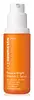 Key Ingredients
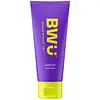
Benefits
Concerns
Ingredients Side-by-side
Water
Skin ConditioningSqualane
Emollient


Dimethicone
Emollient

Cetearyl Alcohol
Emollient






Glycerin
Humectant
Caprylic/Capric Triglyceride
Masking
Isododecane
EmollientPolymethylsilsesquioxane
Mica
Cosmetic ColorantCoconut Alkanes
Emollient
CI 77891
Cosmetic ColorantSclerocarya Birrea Seed Oil
Humectant
Dilinoleic Acid/Propanediol Copolymer
Emollient3-O-Ethyl Ascorbic Acid
Skin Conditioning




Cetearyl Methicone
Skin Conditioning
Silica
Abrasive

Phenoxyethanol
Preservative
Cetearyl Glucoside
Emulsifying
Xylitylglucoside
Humectant
Dimethicone/Vinyltrimethylsiloxysilicate Crosspolymer
Anhydroxylitol
Humectant
Microcrystalline Cellulose
AbsorbentPotassium Cetyl Phosphate
EmulsifyingStevioside
MaskingPolysilicone-11
Coco-Caprylate/Caprate
Emollient
Hydroxyethyl Acrylate/Sodium Acryloyldimethyl Taurate Copolymer
Emulsion StabilisingAcrylates/C10-30 Alkyl Acrylate Crosspolymer
Emulsion StabilisingXylitol
Humectant
Tocopherol
Antioxidant


Parfum
Masking


Potassium Azeloyl Diglycinate
Skin Conditioning

CI 77491
Cosmetic ColorantDipotassium Glycyrrhizate
Humectant
Ethylhexylglycerin
Skin ConditioningGlucose
Humectant
Xanthan Gum
EmulsifyingSodium Citrate
BufferingCitrus Aurantium Dulcis Fruit Extract
MaskingCitrus Limon Fruit Extract
Masking
Hippophae Rhamnoides Extract
MaskingLycium Barbarum Fruit Extract
Astringent
Rosa Canina Fruit Extract
Astringent
Sodium Hydroxide
BufferingLeuconostoc/Radish Root Ferment Filtrate
Antimicrobial
Polysorbate 60
Emulsifying
Sorbitan Isostearate
Emulsifying
Ascorbic Acid
Antioxidant
Aroma
Sodium Chloride
MaskingCitral
Perfuming
Limonene
Perfuming
Linalool
Perfuming
Water, Squalane, Dimethicone, Cetearyl Alcohol, Glycerin, Caprylic/Capric Triglyceride, Isododecane, Polymethylsilsesquioxane, Mica, Coconut Alkanes, CI 77891, Sclerocarya Birrea Seed Oil, Dilinoleic Acid/Propanediol Copolymer, 3-O-Ethyl Ascorbic Acid, Cetearyl Methicone, Silica, Phenoxyethanol, Cetearyl Glucoside, Xylitylglucoside, Dimethicone/Vinyltrimethylsiloxysilicate Crosspolymer, Anhydroxylitol, Microcrystalline Cellulose, Potassium Cetyl Phosphate, Stevioside, Polysilicone-11, Coco-Caprylate/Caprate, Hydroxyethyl Acrylate/Sodium Acryloyldimethyl Taurate Copolymer, Acrylates/C10-30 Alkyl Acrylate Crosspolymer, Xylitol, Tocopherol, Parfum, Potassium Azeloyl Diglycinate, CI 77491, Dipotassium Glycyrrhizate, Ethylhexylglycerin, Glucose, Xanthan Gum, Sodium Citrate, Citrus Aurantium Dulcis Fruit Extract, Citrus Limon Fruit Extract, Hippophae Rhamnoides Extract, Lycium Barbarum Fruit Extract, Rosa Canina Fruit Extract, Sodium Hydroxide, Leuconostoc/Radish Root Ferment Filtrate, Polysorbate 60, Sorbitan Isostearate, Ascorbic Acid, Aroma, Sodium Chloride, Citral, Limonene, Linalool
Water
Skin ConditioningNiacinamide
Smoothing

Glycerin
Humectant
Dipropylene Glycol
HumectantNeopentyl Glycol Diheptanoate
EmollientMethyl Trimethicone
Skin Conditioning
Polyacrylate-13
Glyceryl Glucoside
Humectant
Xylitylglucoside
Humectant
Anhydroxylitol
Humectant
Pseudoalteromonas Ferment Extract
Humectant
Phenoxyethanol
Preservative
Polyisobutene
Ophiopogon Japonicus Root Extract
Skin ConditioningChlorphenesin
Antimicrobial
Arachidyl Alcohol
Emollient
Glyceryl Dibehenate
Emollient
Xylitol
Humectant
Tribehenin
Emollient
Behenyl Alcohol
Emollient
Glyceryl Behenate
Emollient
Arachidyl Glucoside
EmulsifyingPolysorbate 20
Emulsifying
Pentylene Glycol
Skin Conditioning
Madecassoside
Antioxidant
1,2-Hexanediol
Skin Conditioning
Caprylyl Glycol
Emollient
Phospholipids
Skin Conditioning
Cyanocobalamin
Skin ConditioningSphingolipids
Emollient
Sodium Citrate
BufferingP-Anisic Acid
MaskingTocopherol
Antioxidant
Water, Niacinamide, Glycerin, Dipropylene Glycol, Neopentyl Glycol Diheptanoate, Methyl Trimethicone, Polyacrylate-13, Glyceryl Glucoside, Xylitylglucoside, Anhydroxylitol, Pseudoalteromonas Ferment Extract, Phenoxyethanol, Polyisobutene, Ophiopogon Japonicus Root Extract, Chlorphenesin, Arachidyl Alcohol, Glyceryl Dibehenate, Xylitol, Tribehenin, Behenyl Alcohol, Glyceryl Behenate, Arachidyl Glucoside, Polysorbate 20, Pentylene Glycol, Madecassoside, 1,2-Hexanediol, Caprylyl Glycol, Phospholipids, Cyanocobalamin, Sphingolipids, Sodium Citrate, P-Anisic Acid, Tocopherol
Reviews
Ingredients Explained
These ingredients are found in both products.
Ingredients higher up in an ingredient list are typically present in a larger amount.
This ingredient is created from dehydrating xylitol in acidic conditions. Xylitol is a famous sugar and humectant.
Much like its predecessor, anhydroxylitol is a humectant. Humectants attract and hold water to moisturize the skin.
This ingredient is most commonly found in a popular trio called Aquaxyl. Aquaxyl is made up of anhydroxylitol (24 - 34%), xylitylglucoside (35 - 50%), and xylitol (5 - 15%).
According to a manufacturer, Aquaxyl is known for a 3-D hydration concept and an anti-dehydration shield to reinforce the outer layer of skin.
This ingredient is often derived from plants such as wood and sugarcane.
Learn more about AnhydroxylitolGlycerin (or glycerol) is a compound naturally found in your skin. It's a powerhouse humectant that pulls water into the stratum corneum.
Topically, glycerin does several things at once:
Your skin makes glycerin on its own (mostly from sebaceous oil breakdown) and shuttles it to your outermost layer of skin, or your epidermis, via aquaporin-3.
Aquaporin-3 is a transporter that is essential for normal skin hydration, elasticity, and repair. Interestingly, mice lacking in AQP3 have dry and less elastic skin that can be fully corrected with glycerin.
This ingredient is non-irritating, plays well with almost every ingredient, and works across all skin types. Typical use is anywhere between 3-10% but can go up to 79% in some leave-on products.
Just know very high concentrations (>40%) can feel tacky in low humidity.
Glycerin is the name for this ingredient in American English. British English uses Glycerol/Glycerine.
Learn more about GlycerinPhenoxyethanol is one of the most widely used preservatives in skincare (and for good reason!).
It has a large spectrum of antimicrobial activity and especially effective bacteria, yeast, and mold while only having a weak effect on your skin's natural microbiome.
On a cellular level, it disrupts the cell membranes of microbes by poking holes that make the cell leak. This shuts down the chemical reactions the microbe needs to make energy so it can no longer survive.
Another perk of this ingredient is that it stays functional across a wide pH range (3-10).
You'll often see it paired with boosters like Ethylhexylglycerin; one study showed that a 1:9 ratio of Ethylhexylglycerin to Phenoxyethanol damages bacterial membranes as effectively as doubling the Phenoxyethanol concentration on its own.
Typical use concentrations range from 0.3-1% depending on the formula, and this ingredient is capped at 1% int the EU.
Safety-wise, the fear mongering does not hold up to the evidence. The EU's Scientific Committee on Consumer Safety and FDA consider it safe as a preservative at up to 1%, including for children of all ages.
Adverse systemic effects only showed up in animal studies at exposures roughly 200x higher than what people get from cosmetics. And despite its very widespread use, this ingredient is a rare sensitizer and allergic reactions are uncommon.
Learn more about PhenoxyethanolSodium Citrate is the sodium salts of citric acid. In skincare, it is used to alter pH levels and acts as a preservative.
Its main functions are to maintain the pH of a product and neutralize metal ions.
The acidity of our skin is maintained by our glands and skin biome; normal pH level of skin is slightly acidic (~4.75-5.5).
Being slightly acidic allows our skin to create an "acid mantle". This acid mantle is a thin barrier that protects our skin from bacteria and contaminants.
Learn more about Sodium CitrateTocopherol is a fat-soluble antioxidant known as Vitamin E.
You'll find this ingredient in the vast majority of skincare (for good reason). It works to neutralize free radicals, or unstable molecules generated by UV exposure, pollution, and other environmental stressors, before they can cause oxidative damage to your skin cells.
Topically applied tocopherol has been shown to protect against UV damage by ramping up the skin's own natural defense enzymes.
It also acts as a skin conditioning agent; some studies show that regular topical use can improve the skin's water-binding capacity over 2-4 weeks.
This ingredient is especially loved for being a team player. When combined with Vitamin C, the photoprotective effect of both ingredients roughly doubles and the combo also helps reduce UV-induced DNA damage.
This ingredient has some brightening potential but it's more of a prevention ingredient than spot-fader. Cell studies show it can slow down melanin production but it's worth noting that it's not the most powerful brightener out there.
In formulations, it also serves as a stabilizer that helps protect other oxidation-prone ingredients from degrading.
Concentrations usually range from 0.1-1% in most leave-on products.
Learn more about TocopherolWater. It's the most common cosmetic ingredient of all. You'll usually see it at the top of ingredient lists, meaning that it makes up the largest part of the product.
So why is it so popular? Water most often acts as a solvent - this means that it helps dissolve other ingredients into the formulation.
You'll also recognize water as that liquid we all need to stay alive. If you see this, drink a glass of water. Remember to stay hydrated!
Learn more about WaterXylitol is a humectant and prebiotic. It can help with dry skin.
In studies, xylitol has been shown to improve dry skin. It decreased transepidermal water loss, or when water passes through the skin and evaporates. Xylitol also showed to help improve the biomechanical properties of the skin barrier.
The prebiotic property of xylitol may also help reinforce our skin's natural microbiome. Having a healthy microbiome prevents infection by bad bacteria and helps with hydration.
As a humectant, Xylitol helps draw moisture from both the air and from deeper skin layers. This helps keep skin hydrated.
Xylitol is a sugar alcohol and commonly used as a sugar substitute. It is naturally occurring in plants such as strawberries and pumpkin.
Learn more about XylitolXylitylglucoside is created from xylitol and glucose, two humectants.
Not surprisingly, this ingredient is also a humectant. It attracts and holds water in your skin, helping to maintain hydration.
This ingredient is most commonly found in a popular trio called Aquaxyl. Aquaxyl is made up of anhydroxylitol(24 - 34%), xylitylglucoside (35 - 50%), and xylitol (5 - 15%).
According to a manufacturer, Aquaxyl is known for a 3-D hydration concept and an anti-dehydration shield to reinforce the outer layer of skin.
Learn more about Xylitylglucoside

