
What's inside
What's inside
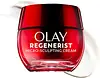 Key Ingredients
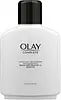
Benefits
Concerns
Ingredients Side-by-side
Water
Skin ConditioningGlycerin
Humectant


Isohexadecane
EmollientDistarch Phosphate
AbsorbentNiacinamide
Smoothing









Isopropyl Isostearate
Emollient


Dimethicone
Emollient
Panthenol
Skin Conditioning
Palmitoyl Dipeptide-7
Skin Conditioning
Palmitoyl Pentapeptide-4
Skin Conditioning
Tripeptide-3
Skin Conditioning
Caprylic/Capric Triglyceride
Masking
Ethylhexylglycerin
Skin ConditioningHydroxyacetophenone
Antioxidant
Butylene Glycol
Humectant
Dimethiconol
Emollient
Cetearyl Alcohol
Emollient
Cetearyl Glucoside
Emulsifying
Palmitic Acid
Emollient
Stearic Acid
Cleansing
Stearyl Alcohol
Emollient
Cetyl Alcohol
Emollient
Behenyl Alcohol
Emollient
Disodium EDTA
Sodium Acrylates Copolymer
PEG-100 Stearate
Surfactant
Phenoxyethanol
Preservative
Parfum
Masking



Titanium Dioxide
Cosmetic Colorant

Mica
Cosmetic ColorantWater, Glycerin, Isohexadecane, Distarch Phosphate, Niacinamide, Isopropyl Isostearate, Dimethicone, Panthenol, Palmitoyl Dipeptide-7, Palmitoyl Pentapeptide-4, Tripeptide-3, Caprylic/Capric Triglyceride, Ethylhexylglycerin, Hydroxyacetophenone, Butylene Glycol, Dimethiconol, Cetearyl Alcohol, Cetearyl Glucoside, Palmitic Acid, Stearic Acid, Stearyl Alcohol, Cetyl Alcohol, Behenyl Alcohol, Disodium EDTA, Sodium Acrylates Copolymer, PEG-100 Stearate, Phenoxyethanol, Parfum, Titanium Dioxide, Mica
Ethylhexyl Methoxycinnamate 6%
UV Absorber
Zinc Oxide
Cosmetic Colorant
Water
Skin ConditioningGlycerin
Humectant
Isohexadecane
EmollientAloe Barbadensis Leaf Extract
Emollient
Tocopheryl Acetate
Antioxidant
Steareth-21
CleansingCyclopentasiloxane
Emollient
Polyacrylamide
Stearyl Alcohol
Emollient
C13-14 Isoparaffin
Emollient
Behenyl Alcohol
Emollient
DMDM Hydantoin
Preservative
Cetyl Alcohol
Emollient
PEG/PPG-20/20 Dimethicone
Emulsifying
Laureth-7
EmulsifyingSteareth-2
EmulsifyingDisodium EDTA
Triethoxycaprylylsilane
Oleth-3 Phosphate
SurfactantBHT
Antioxidant
Iodopropynyl Butylcarbamate
Preservative
Ethylhexyl Methoxycinnamate 6%, Zinc Oxide, Water, Glycerin, Isohexadecane, Aloe Barbadensis Leaf Extract, Tocopheryl Acetate, Steareth-21, Cyclopentasiloxane, Polyacrylamide, Stearyl Alcohol, C13-14 Isoparaffin, Behenyl Alcohol, DMDM Hydantoin, Cetyl Alcohol, PEG/PPG-20/20 Dimethicone, Laureth-7, Steareth-2, Disodium EDTA, Triethoxycaprylylsilane, Oleth-3 Phosphate, BHT, Iodopropynyl Butylcarbamate
Reviews
Ingredients Explained
These ingredients are found in both products.
Ingredients higher up in an ingredient list are typically present in a larger amount.
Behenyl Alcohol is a type of fatty alcohol (these are different from the drying, solvent alcohols).
Fatty Alcohols have hydrating properties and are most often used as an emollient or to thicken a product. They are usually derived from natural fats and oils; behenyl alcohol is derived from the fats of vegetable oils.
Emollients help keep your skin soft and hydrated by creating a film that traps moisture in.
In 2000, Behenyl Alcohol was approved by the US as medicine to reduce the duration of cold sores.
Learn more about Behenyl AlcoholCetyl Alcohol is a fatty alcohol. Fatty Alcohols are most often used as an emollient or to thicken a product.
Its main roles are:
Though it has "alcohol" in the name, it is not related to denatured alcohol or ethyl alcohol.
The FDA allows products labeled "alcohol-free" to have fatty alcohols.
This ingredient may not be fungal acne safe. It is a primary fatty alcohol with a chain length above 12 carbons. A study from 2019 show Malassezia can feed on fatty alcohols in this range, so it may trigger fungal acne in those prone to it.
Learn more about Cetyl AlcoholDisodium EDTA is a chelating agent. It grabs onto and deactivates metal ions that sneak into your products from water, packaging, or air.
This ingredient mainly works behind the scenes and helps with:
On top of that, this ingredient can counteract the effects of hard water by binding to the minerals in it.
One thing worth knowing is that Disodium EDTA has been shown to be a mild penetration enhancer. It can help other ingredients absorb into skin more effectively which can be a double-edged sword (great for actives, but can also make the active too strong if you have sensitive skin).
Clinical patch testing showed no significant skin irritation at typical use concentrations and minimal dermal absorption.
You'll most likely see this ingredient near the end of an ingredient list. It's typically found in concentrations less than 1%.
Learn more about Disodium EDTAGlycerin (or glycerol) is a compound naturally found in your skin. It's a powerhouse humectant that pulls water into the stratum corneum.
Topically, glycerin does several things at once:
Your skin makes glycerin on its own (mostly from sebaceous oil breakdown) and shuttles it to your outermost layer of skin, or your epidermis, via aquaporin-3.
Aquaporin-3 is a transporter that is essential for normal skin hydration, elasticity, and repair. Interestingly, mice lacking in AQP3 have dry and less elastic skin that can be fully corrected with glycerin.
This ingredient is non-irritating, plays well with almost every ingredient, and works across all skin types. Typical use is anywhere between 3-10% but can go up to 79% in some leave-on products.
Just know very high concentrations (>40%) can feel tacky in low humidity.
Glycerin is the name for this ingredient in American English. British English uses Glycerol/Glycerine.
Learn more about GlycerinIsohexadecane is added to enhance texture, emulsify, and to help cleanse. It is an isoparrafin. It is a component of petrolatum.
Due to its large size, Isohexadecane is not absorbed by the skin. Instead, it sits on top and acts as an emollient. Emollients help keep your skin soft and smooth by trapping moisture within.
Isohexadecane is often used in products designed to help oily skin. It is lightweight and non-greasy while helping to moisturize. When mixed with silicones, it gives a product a silky feel.
Learn more about IsohexadecaneStearyl Alcohol is a type of fatty alcohol from stearic acid. It is a white, waxy compound used to emulsify ingredients used as an emollient or to thicken a product.
Emollients help soothe and hydrate the skin by trapping moisture.
Fatty alcohols are usually derived from natural fats and oils and therefore do not have the same drying or irritating effect as solvent (ethanol) alcohols.
The FDA allows products labeled "alcohol-free" to have fatty alcohols.
This ingredient may not be fungal acne safe. It is a primary fatty alcohol with a chain length above 12 carbons. A study from 2019 show Malassezia can feed on fatty alcohols in this range, so it may trigger fungal acne in those prone to it.
Learn more about Stearyl AlcoholWater. It's the most common cosmetic ingredient of all. You'll usually see it at the top of ingredient lists, meaning that it makes up the largest part of the product.
So why is it so popular? Water most often acts as a solvent - this means that it helps dissolve other ingredients into the formulation.
You'll also recognize water as that liquid we all need to stay alive. If you see this, drink a glass of water. Remember to stay hydrated!
Learn more about Water
