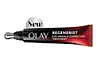
This anti-aging eye moisturizer is formulated around Acetyl Hexapeptide-8 and Palmitoyl Pentapeptide-4 to soften the look of wrinkles and refine skin texture.
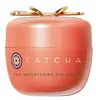
This brightening eye moisturizer is formulated around Squalane and Saccharomyces/Rice Ferment Filtrate to brighten dull-looking skin and fade the look of dark spots.

What's inside
What's inside
 Key Ingredients
Benefits
Concerns
Ingredients Side-by-side
Acetyl Hexapeptide-8
Humectant

Palmitoyl Pentapeptide-4
Skin Conditioning
Palmitoyl Dipeptide-7
Skin Conditioning
Tripeptide-3
Skin Conditioning
Bakuchiol
Antimicrobial







Panthenol
Skin Conditioning

Ethylhexylglycerin
Skin ConditioningHydroxyacetophenone
Antioxidant
Butylene Glycol
Humectant
Polyglycerin-6
HumectantDimethiconol
Emollient
Stearyl Alcohol
Emollient


Cetyl Alcohol
Emollient
Behenyl Alcohol
Emollient
Disodium EDTA
ChelatingSodium Acrylate/Sodium Acryloyldimethyl Taurate Copolymer
Emulsion StabilisingCetearyl Olivate
Sorbitan Olivate
Emulsifying
Polyglyceryl-6 Laurate
Emulsifying
C15-19 Alkane
SolventSilica
Abrasive

Phenoxyethanol
Preservative
Titanium Dioxide
Cosmetic Colorant

Mica
Cosmetic ColorantIron Oxides
Acetyl Hexapeptide-8, Palmitoyl Pentapeptide-4, Palmitoyl Dipeptide-7, Tripeptide-3, Bakuchiol, Panthenol, Ethylhexylglycerin, Hydroxyacetophenone, Butylene Glycol, Polyglycerin-6, Dimethiconol, Stearyl Alcohol, Cetyl Alcohol, Behenyl Alcohol, Disodium EDTA, Sodium Acrylate/Sodium Acryloyldimethyl Taurate Copolymer, Cetearyl Olivate, Sorbitan Olivate, Polyglyceryl-6 Laurate, C15-19 Alkane, Silica, Phenoxyethanol, Titanium Dioxide, Mica, Iron Oxides
Water
Skin ConditioningSqualane
Emollient
Saccharomyces/Rice Ferment Filtrate
Skin Conditioning
Hydrogenated Rice Bran Oil
Skin Conditioning
Glycerin
Humectant
C15-19 Alkane
SolventPropanediol
Solvent
Behenic Acid
Cleansing
Ascorbyl Glucoside
Antioxidant
Butylene Glycol
Humectant
Behenyl Alcohol
Emollient
Dipentaerythrityl Hexahydroxystearate
EmulsifyingGlyceryl Stearate Se
Emulsifying


Glyceryl Stearate
Emollient
Beheneth-20
EmulsifyingDimer Dilinoleyl Dimer Dilinoleate
EmollientCamellia Sinensis Leaf Extract
Antimicrobial
Cladosiphon Okamuranus Extract
Skin Conditioning
Angelica Acutiloba Root Extract
Skin ConditioningPrunus Mume Fruit Extract
Humectant
Niacinamide
Smoothing

Sodium Hyaluronate
Humectant
Ferulic Acid
Antimicrobial
Saccharomyces Cerevisiae Extract
Skin Conditioning
Bacillus Ferment
Skin Conditioning
Lecithin
Emollient
Synthetic Fluorphlogopite
Lysolecithin
EmulsifyingSodium Stearoyl Glutamate
CleansingLysine Carboxymethyl Cysteinate
Skin ConditioningXanthan Gum
EmulsifyingStearyl Glycyrrhetinate
Skin ConditioningCaprylyl Glycol
Emollient
1,2-Hexanediol
Skin Conditioning
Caprylhydroxamic Acid
ChelatingTocopheryl Acetate
Antioxidant
Glyceryl Caprylate
EmollientTocopherol
Antioxidant
Potassium Hydroxide
BufferingPhytic Acid
Chelating
Silica
Abrasive
Ethylhexylglycerin
Skin ConditioningPhenoxyethanol
Preservative
Tin Oxide
Abrasive
CI 77891
Cosmetic ColorantCI 77491
Cosmetic ColorantCI 77492
Cosmetic ColorantWater, Squalane, Saccharomyces/Rice Ferment Filtrate, Hydrogenated Rice Bran Oil, Glycerin, C15-19 Alkane, Propanediol, Behenic Acid, Ascorbyl Glucoside, Butylene Glycol, Behenyl Alcohol, Dipentaerythrityl Hexahydroxystearate, Glyceryl Stearate Se, Glyceryl Stearate, Beheneth-20, Dimer Dilinoleyl Dimer Dilinoleate, Camellia Sinensis Leaf Extract, Cladosiphon Okamuranus Extract, Angelica Acutiloba Root Extract, Prunus Mume Fruit Extract, Niacinamide, Sodium Hyaluronate, Ferulic Acid, Saccharomyces Cerevisiae Extract, Bacillus Ferment, Lecithin, Synthetic Fluorphlogopite, Lysolecithin, Sodium Stearoyl Glutamate, Lysine Carboxymethyl Cysteinate, Xanthan Gum, Stearyl Glycyrrhetinate, Caprylyl Glycol, 1,2-Hexanediol, Caprylhydroxamic Acid, Tocopheryl Acetate, Glyceryl Caprylate, Tocopherol, Potassium Hydroxide, Phytic Acid, Silica, Ethylhexylglycerin, Phenoxyethanol, Tin Oxide, CI 77891, CI 77491, CI 77492
Ingredients Explained
These ingredients are found in both products.
Ingredients higher up in an ingredient list are typically present in a larger amount.
Behenyl Alcohol is a type of fatty alcohol (these are different from the drying, solvent alcohols).
Fatty Alcohols have hydrating properties and are most often used as an emollient or to thicken a product. They are usually derived from natural fats and oils; behenyl alcohol is derived from the fats of vegetable oils.
Emollients help keep your skin soft and hydrated by creating a film that traps moisture in.
In 2000, Behenyl Alcohol was approved by the US as medicine to reduce the duration of cold sores.
Learn more about Behenyl AlcoholButylene Glycol (or BG) is used within cosmetic products for a few different reasons:
Overall, Butylene Glycol is a safe and well-rounded ingredient that works well with other ingredients.
Though this ingredient works well with most skin types, some people with sensitive skin may experience a reaction such as allergic rashes, closed comedones, or itchiness.
Learn more about Butylene GlycolC15-19 alkane is a mixture of alkanes. Alkanes are hydrocarbons with carbon atoms held together by single bonds.
It is a synthetically created solvent and emollient often used to replace silicones or mineral oil. As an emollient, C15-19 Alkane helps soften and soothe the skin. Emollients create a barrier to trap moisture inside.
You'll often see this ingredient used with mineral UV filters such as titanium dioxidide and zinc oxide. It helps these UV filter ingredients be more spreadable.
This ingredient is biodegradable. According to a manufacturer, it is also known as Hydrogenated Polyfarnesene.
Learn more about C15-19 AlkaneEthylhexylglycerin is created from glycerin. It is a multitasker ingredient that:
The CIR Expert Panel found minimal skin absorption or sensitization of any kind in a safety assessment. Though this ingredient is considered well-tolerated, a small number of cases of allergic dermatitis have been published since 2002. Just be sure to patch test if you are unsure.
Industry-reported use ranges from 8% in rinse-off products and 2% in leave-on formulations.
Learn more about EthylhexylglycerinPhenoxyethanol is one of the most widely used preservatives in skincare (and for good reason!).
It has a large spectrum of antimicrobial activity and especially effective bacteria, yeast, and mold while only having a weak effect on your skin's natural microbiome.
On a cellular level, it disrupts the cell membranes of microbes by poking holes that make the cell leak. This shuts down the chemical reactions the microbe needs to make energy so it can no longer survive.
Another perk of this ingredient is that it stays functional across a wide pH range (3-10).
You'll often see it paired with boosters like Ethylhexylglycerin; one study showed that a 1:9 ratio of Ethylhexylglycerin to Phenoxyethanol damages bacterial membranes as effectively as doubling the Phenoxyethanol concentration on its own.
Typical use concentrations range from 0.3-1% depending on the formula, and this ingredient is capped at 1% int the EU.
Safety-wise, the fear mongering does not hold up to the evidence. The EU's Scientific Committee on Consumer Safety and FDA consider it safe as a preservative at up to 1%, including for children of all ages.
Adverse systemic effects only showed up in animal studies at exposures roughly 200x higher than what people get from cosmetics. And despite its very widespread use, this ingredient is a rare sensitizer and allergic reactions are uncommon.
Learn more about PhenoxyethanolSilica, also known as silicon dioxide, is a naturally occurring mineral. It is used as a fine, spherical, and porous powder in cosmetics.
Though it has exfoliant properties, the function of silica varies depending on the product.
The unique structure of silica enhances the spreadability and adds smoothness, making it a great texture enhancer.
It is also used as an active carrier, emulsifier, and mattifier due to its ability to absorb excess oil.
In some products, tiny microneedles called spicules are made from silica or hydrolyzed sponge. When you rub them in, they lightly polish away dead skin layers and enhance the penetration of active ingredients.
Learn more about Silica

