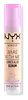
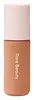
NYX Cosmetics Bare With Me Concealer Serum Versus Rare Beauty Positive Light Tinted Moisturizer Broad Spectrum SPF 20 Sunscreen

What's inside
What's inside
 Key Ingredients
Benefits
Concerns
Ingredients Side-by-side
Water
Skin ConditioningHydrogenated Polyisobutene
EmollientHydrogenated Polydecene
EmollientPolyglyceryl-3 Diisostearate
Emulsifying




Glycerin
Humectant


Trimethylsiloxysilicate
Emollient
Isononyl Isononanoate
EmollientDisteardimonium Hectorite
StabilisingButylene Glycol
Humectant
Silica
Abrasive


Camellia Sinensis Leaf Extract
Antimicrobial




Helianthus Annuus Seed Oil
Emollient
Tremella Fuciformis Polysaccharide
Emulsion Stabilising
Centella Asiatica Extract
Cleansing
Allantoin
Skin Conditioning
Sorbitan Olivate
Emulsifying
Sorbitan Sesquiisostearate
Emulsifying
Glyceryl Behenate/Eicosadioate
Emollient
Sodium Chloride
MaskingMagnesium Sulfate
Ethylhexylglycerin
Skin ConditioningPolyhydroxystearic Acid
Emulsifying
Tocopherol
Antioxidant

Phenoxyethanol
Preservative
CI 77491
Cosmetic ColorantCI 77492
Cosmetic ColorantCI 77499
Cosmetic ColorantCI 77891
Cosmetic ColorantWater, Hydrogenated Polyisobutene, Hydrogenated Polydecene, Polyglyceryl-3 Diisostearate, Glycerin, Trimethylsiloxysilicate, Isononyl Isononanoate, Disteardimonium Hectorite, Butylene Glycol, Silica, Camellia Sinensis Leaf Extract, Helianthus Annuus Seed Oil, Tremella Fuciformis Polysaccharide, Centella Asiatica Extract, Allantoin, Sorbitan Olivate, Sorbitan Sesquiisostearate, Glyceryl Behenate/Eicosadioate, Sodium Chloride, Magnesium Sulfate, Ethylhexylglycerin, Polyhydroxystearic Acid, Tocopherol, Phenoxyethanol, CI 77491, CI 77492, CI 77499, CI 77891
Homosalate 9%
Skin Conditioning

Titanium Dioxide 1.8%
Cosmetic Colorant
Zinc Oxide 0.9%
Cosmetic Colorant
Water
Skin ConditioningDimethicone
Emollient
Talc
Abrasive
C12-15 Alkyl Benzoate
AntimicrobialIsododecane
EmollientCetyl PEG/PPG-10/1 Dimethicone
Emulsifying
Isopentyldiol
Humectant
Sorbitol
Humectant
Tocopheryl Acetate
Antioxidant
Phenoxyethanol
Preservative
Sodium Chloride
MaskingDimethicone/Vinyl Dimethicone Crosspolymer
Skin Conditioning
Magnesium Sulfate
Sodium Dehydroacetate
Preservative
Hydrogen Dimethicone
Potassium Sorbate
Preservative
Disteardimonium Hectorite
StabilisingLecithin
Emollient
Benzoic Acid
Masking
Aluminum Hydroxide
EmollientAlumina
Abrasive
Dehydroacetic Acid
Preservative
Propylene Carbonate
SolventHelianthus Annuus Seed Oil
Emollient
Triethoxycaprylylsilane
Tocopherol
Antioxidant
Ethylhexylglycerin
Skin ConditioningAscorbyl Palmitate
Antioxidant
Citric Acid
Buffering
Gardenia Florida Fruit Extract
Skin ConditioningNelumbo Nucifera Flower Extract
Skin ConditioningNymphaea Odorata Root Extract
RefreshingCI 77891
Cosmetic ColorantIron Oxides
Homosalate 9%, Titanium Dioxide 1.8%, Zinc Oxide 0.9%, Water, Dimethicone, Talc, C12-15 Alkyl Benzoate, Isododecane, Cetyl PEG/PPG-10/1 Dimethicone, Isopentyldiol, Sorbitol, Tocopheryl Acetate, Phenoxyethanol, Sodium Chloride, Dimethicone/Vinyl Dimethicone Crosspolymer, Magnesium Sulfate, Sodium Dehydroacetate, Hydrogen Dimethicone, Potassium Sorbate, Disteardimonium Hectorite, Lecithin, Benzoic Acid, Aluminum Hydroxide, Alumina, Dehydroacetic Acid, Propylene Carbonate, Helianthus Annuus Seed Oil, Triethoxycaprylylsilane, Tocopherol, Ethylhexylglycerin, Ascorbyl Palmitate, Citric Acid, Gardenia Florida Fruit Extract, Nelumbo Nucifera Flower Extract, Nymphaea Odorata Root Extract, CI 77891, Iron Oxides
Reviews
Ingredients Explained
These ingredients are found in both products.
Ingredients higher up in an ingredient list are typically present in a larger amount.
Ci 77891 is a white pigment from Titanium dioxide. It is naturally found in minerals such as rutile and ilmenite.
It's main function is to add a white color to cosmetics. It can also be mixed with other colors to create different shades.
Ci 77891 is commonly found in sunscreens due to its ability to block UV rays.
Learn more about CI 77891Disteardimonium Hectorite comes from the clay mineral named hectorite. It is used to add thickness to a product.
It can also help stabilize a product by helping to disperse other ingredients.
Hectorite is a rare, white clay mineral.
Learn more about Disteardimonium HectoriteEthylhexylglycerin is created from glycerin. It is a multitasker ingredient that:
The CIR Expert Panel found minimal skin absorption or sensitization of any kind in a safety assessment. Though this ingredient is considered well-tolerated, a small number of cases of allergic dermatitis have been published since 2002. Just be sure to patch test if you are unsure.
Industry-reported use ranges from 8% in rinse-off products and 2% in leave-on formulations.
Learn more about EthylhexylglycerinHelianthus Annuus Seed Oil is a plant oil derived from the seeds of a sunflower.
It is rich in fatty acids, primarily linoleic acid and oleic acid. This gives it emollient and skin conditioning properties.
The reason this ingredient is so effective is because it forms a thin film on the skin that reduces transepidermal water loss (TEWL) while supplying linoleic acid to the stratum corneum to improve barrier strength.
The high linoleic acid content is particularly noteworthy for acne-prone skin.
Research suggests that acne-prone skin tends to be deficient in linoleic acid in sebum. Topical application may help replenish this to support a healthier follicular environment and less comedone-promoting sebum.
One randomized study found sunflower seed oil preserved skin barrier integrity in adult volunteers with and without atopic dermatitis (outperforming olive oil).
This ingredient is well-studied, gentle, and an effective emollient suitable for most skin types.
On fungal acne: This ingredient may not be Fungal acne (Malassezia folliculitis) safe. This is because it contains fatty acids with carbon chain lengths in the C11-C24 range.
Learn more about Helianthus Annuus Seed OilMagnesium Sulfate is a salt. More specifically, it is an epsom salt, or the bath salt used to help relieve muscle aches.
Despite having ‘sulfate’ in the name, it isn’t a surfactant or cleansing agent like sodium lauryl sulfate. Unlike those sulfates, magnesium sulfate doesn’t have the same cleansing or foaming properties (it's simply a type of salt).
In cosmetics, Magnesium Sulfate is used to thicken a product or help dilute other solids. It is a non-reactive and non-irritating ingredient.
One study shows magnesium deficiency may lead to inflammation of the skin. Applying magnesium topically may help reduce inflammation.
You can find this ingredient in sea water or mineral deposits.
Learn more about Magnesium SulfatePhenoxyethanol is one of the most widely used preservatives in skincare (and for good reason!).
It has a large spectrum of antimicrobial activity and especially effective bacteria, yeast, and mold while only having a weak effect on your skin's natural microbiome.
On a cellular level, it disrupts the cell membranes of microbes by poking holes that make the cell leak. This shuts down the chemical reactions the microbe needs to make energy so it can no longer survive.
Another perk of this ingredient is that it stays functional across a wide pH range (3-10).
You'll often see it paired with boosters like Ethylhexylglycerin; one study showed that a 1:9 ratio of Ethylhexylglycerin to Phenoxyethanol damages bacterial membranes as effectively as doubling the Phenoxyethanol concentration on its own.
Typical use concentrations range from 0.3-1% depending on the formula, and this ingredient is capped at 1% int the EU.
Safety-wise, the fear mongering does not hold up to the evidence. The EU's Scientific Committee on Consumer Safety and FDA consider it safe as a preservative at up to 1%, including for children of all ages.
Adverse systemic effects only showed up in animal studies at exposures roughly 200x higher than what people get from cosmetics. And despite its very widespread use, this ingredient is a rare sensitizer and allergic reactions are uncommon.
Learn more about PhenoxyethanolChances are, you eat sodium chloride every day. Sodium Chloride is also known as table salt. This ingredient has many purposes in skincare: thickener, emulsifier, and exfoliator.
You'll most likely find this ingredient in cleansers where it is used to create a gel-like texture. As an emulsifier, it also prevents ingredients from separating.
You might see people debate whether Sodium Chloride is comedogenic, but there actually haven't been any comedogenic tests done on it. Either way, the overall formulation of a product matters a lot more than any single ingredient.
You might see this ingredient used in scrubs as a primary exfoliating ingredient.
Learn more about Sodium ChlorideTocopherol is a fat-soluble antioxidant known as Vitamin E.
You'll find this ingredient in the vast majority of skincare (for good reason). It works to neutralize free radicals, or unstable molecules generated by UV exposure, pollution, and other environmental stressors, before they can cause oxidative damage to your skin cells.
Topically applied tocopherol has been shown to protect against UV damage by ramping up the skin's own natural defense enzymes.
It also acts as a skin conditioning agent; some studies show that regular topical use can improve the skin's water-binding capacity over 2-4 weeks.
This ingredient is especially loved for being a team player. When combined with Vitamin C, the photoprotective effect of both ingredients roughly doubles and the combo also helps reduce UV-induced DNA damage.
This ingredient has some brightening potential but it's more of a prevention ingredient than spot-fader. Cell studies show it can slow down melanin production but it's worth noting that it's not the most powerful brightener out there.
In formulations, it also serves as a stabilizer that helps protect other oxidation-prone ingredients from degrading.
Concentrations usually range from 0.1-1% in most leave-on products.
Learn more about TocopherolWater. It's the most common cosmetic ingredient of all. You'll usually see it at the top of ingredient lists, meaning that it makes up the largest part of the product.
So why is it so popular? Water most often acts as a solvent - this means that it helps dissolve other ingredients into the formulation.
You'll also recognize water as that liquid we all need to stay alive. If you see this, drink a glass of water. Remember to stay hydrated!
Learn more about Water

