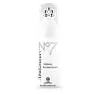
This anti-aging serum is formulated around Palmitoyl Tripeptide-1 and Palmitoyl Tetrapeptide-7 to soften the look of wrinkles and refine skin texture.
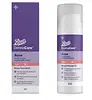
This acne treatment is formulated around Benzoyl Peroxide and Lactobionic Acid to clear breakouts and refine skin texture.

What's inside
What's inside
 Key Ingredients
Benefits
Concerns
Ingredients Side-by-side
Water
Skin ConditioningButylene Glycol
Humectant

Glycerin
Humectant
Dimethicone
Emollient
Aluminum Starch Octenylsuccinate
Absorbent
Isononyl Isononanoate
EmollientAmmonium Acryloyldimethyltaurate/Vp Copolymer
Pentylene Glycol
Skin Conditioning
Dimethicone Crosspolymer
Emulsion Stabilising
Hibiscus Abelmoschus Extract
MaskingSodium Hyaluronate
Humectant


Phenoxyethanol
Preservative
Xanthan Gum
EmulsifyingHydrolyzed Hyaluronic Acid
Humectant
Sorbitan Laurate
Emulsifying

Polysorbate 20
Emulsifying
Dimethiconol
Emollient
Caprylyl Glycol
Emollient
Sodium Benzoate
Masking
Sodium Lactate
Buffering
Carbomer
Emulsion StabilisingHydroxyethylcellulose
Emulsion StabilisingEthylhexylglycerin
Skin ConditioningAcetyl Dipeptide-1 Cetyl Ester
Skin Conditioning

Tetrasodium EDTA
ChelatingCitric Acid
Buffering

T-Butyl Alcohol
Perfuming




Palmitoyl Tripeptide-1
Skin Conditioning
Palmitoyl Tetrapeptide-7
Skin Conditioning
Water, Butylene Glycol, Glycerin, Dimethicone, Aluminum Starch Octenylsuccinate, Isononyl Isononanoate, Ammonium Acryloyldimethyltaurate/Vp Copolymer, Pentylene Glycol, Dimethicone Crosspolymer, Hibiscus Abelmoschus Extract, Sodium Hyaluronate, Phenoxyethanol, Xanthan Gum, Hydrolyzed Hyaluronic Acid, Sorbitan Laurate, Polysorbate 20, Dimethiconol, Caprylyl Glycol, Sodium Benzoate, Sodium Lactate, Carbomer, Hydroxyethylcellulose, Ethylhexylglycerin, Acetyl Dipeptide-1 Cetyl Ester, Tetrasodium EDTA, Citric Acid, T-Butyl Alcohol, Palmitoyl Tripeptide-1, Palmitoyl Tetrapeptide-7
Water
Skin ConditioningCetearyl Alcohol
Emollient


Hamamelis Virginiana Leaf Water
Astringent
Benzoyl Peroxide

Diethylene Glycol Dibenzoate
EmollientCetearyl Ethylhexanoate
Emollient
Glyceryl Stearate
Emollient
Triethyl Citrate
Masking
Potassium Palmitoyl Hydrolyzed Wheat Protein
CleansingC10-18 Triglycerides
Emollient
Oenothera Biennis Oil
Emollient
Sodium Lactate
Buffering
Dimethyl Sulfone
SolventLactobionic Acid
Buffering

Mandelic Acid
Antimicrobial
Olea Europaea Oil Unsaponifiables
Skin Conditioning
Sodium PCA
Humectant
Zinc Sulfate
Antimicrobial
Acrylamide/Sodium Acryloyldimethyltaurate Copolymer
Emulsion StabilisingAluminum Starch Octenylsuccinate
Absorbent
Undecylenic Acid
Cleansing
C13-14 Isoparaffin
Emollient
Glycyrrhetinic Acid
Skin Conditioning
Tocopheryl Acetate
Antioxidant

Retinyl Palmitate
Skin Conditioning
Imidazolidinyl Urea
Preservative
Undecylenoyl Glycine
CleansingHelianthus Annuus Seed Oil
Emollient
Phytosphingosine
Skin Conditioning
Laureth-7
EmulsifyingDisodium EDTA
ChelatingSodium Hyaluronate
Humectant
Beta-Glucan
Skin Conditioning
Tocopherol
Antioxidant
Benzyl Alcohol
Perfuming
Quercus Robur Root Extract
AstringentDehydroacetic Acid
Preservative
Water, Cetearyl Alcohol, Hamamelis Virginiana Leaf Water, Benzoyl Peroxide, Diethylene Glycol Dibenzoate, Cetearyl Ethylhexanoate, Glyceryl Stearate, Triethyl Citrate, Potassium Palmitoyl Hydrolyzed Wheat Protein, C10-18 Triglycerides, Oenothera Biennis Oil, Sodium Lactate, Dimethyl Sulfone, Lactobionic Acid, Mandelic Acid, Olea Europaea Oil Unsaponifiables, Sodium PCA, Zinc Sulfate, Acrylamide/Sodium Acryloyldimethyltaurate Copolymer, Aluminum Starch Octenylsuccinate, Undecylenic Acid, C13-14 Isoparaffin, Glycyrrhetinic Acid, Tocopheryl Acetate, Retinyl Palmitate, Imidazolidinyl Urea, Undecylenoyl Glycine, Helianthus Annuus Seed Oil, Phytosphingosine, Laureth-7, Disodium EDTA, Sodium Hyaluronate, Beta-Glucan, Tocopherol, Benzyl Alcohol, Quercus Robur Root Extract, Dehydroacetic Acid
Ingredients Explained
These ingredients are found in both products.
Ingredients higher up in an ingredient list are typically present in a larger amount.
Aluminum Starch Octenylsuccinate is a synthetic powder used as an absorbent, thickener, and anti-caking agent.
As an absorbent, it is great at mattifying skin by soaking up the oil. This is why you'll find it in a range of products from makeup to moisturizers.
This ingredient is considered a modified starch. Starch can also be found naturally in plants.
One study from 1991 found that 5% of this ingredient enhanced titanium dioxide SPF by as much as 40%. The study found 1% titanium dioxide had a 5.6 SPF and adding 5% of aluminum starch octenylsuccinate boosted it to an SPF of 8.1
Although “aluminum” in an ingredient name can raise red flags for some consumers, the form and usage context matter significantly. For typical topical applications, there is no substantial evidence of health risks - such as cancer, neurotoxicity, or systemic “aluminum overload.”
Learn more about Aluminum Starch OctenylsuccinateSodium Hyaluronate is the salt form of hyaluronic acid. It is a long sugar chain that is naturally found in your skin, joints, and connective tissue that maintains hydration and elasticity.
In skincare, it works as a humectant. It pulls water from the environment and deeper layers of skin and binds it to the surface.
Interestingly, the size of the molecule affects its behavior:
Some clinical evidence links low molecular weight versions to improved wrinkle depth, elasticity, anti-inflammatory effects, and barrier repair.
Many serums use a blend of both weights so you can get surface hydration plus longer-lasting and deeper effects.
You'll typically see concentrations between 0.1-2% for this ingredient.
Learn more about Sodium HyaluronateSodium Lactate is the sodium salt of lactic acid, an AHA. It is a humectant and sometimes used to adjust the pH of a product.
This ingredient is part of our skin's NMF, or natural moisturizing factor. Our NMF is essential for the hydration of our top skin layers and plasticity of skin. NMF also influences our skin's natural acid mantle and pH, which protects our skin from harmful bacteria.
High percentages of Sodium Lactate can have an exfoliating effect.
Fun fact: Sodium Lactate is produced from fermented sugar.
Learn more about Sodium LactateWater. It's the most common cosmetic ingredient of all. You'll usually see it at the top of ingredient lists, meaning that it makes up the largest part of the product.
So why is it so popular? Water most often acts as a solvent - this means that it helps dissolve other ingredients into the formulation.
You'll also recognize water as that liquid we all need to stay alive. If you see this, drink a glass of water. Remember to stay hydrated!
Learn more about Water

