
What's inside
What's inside
 Key Ingredients
Benefits
Concerns
Ingredients Side-by-side
Water
Skin ConditioningGlycerin
Humectant



Butyrospermum Parkii Butter
Skin Conditioning


Sorbitan Stearate
Emulsifying
Dimethicone
Emollient
Cetearyl Alcohol
Emollient
Caprylic/Capric Triglyceride
Masking
Niacinamide
Smoothing







Ethylhexyl Stearate
Emollient
Polyacrylamide
C13-14 Isoparaffin
Emollient
Tocopheryl Acetate
Antioxidant

Panthenol
Skin Conditioning
Phenoxyethanol
Preservative
Dimethiconol
Emollient
Parfum
Masking


Tribehenin
Emollient
Dipropylene Glycol
HumectantSucrose Cocoate
Emulsifying
Methylparaben
Preservative

Laureth-7
EmulsifyingCarbomer
Emulsion StabilisingSodium Hyaluronate
Humectant
Ethylparaben
Preservative
Hydrolyzed Rice Protein
Skin ConditioningPropylene Glycol
Humectant
Ascorbyl Glucoside
Antioxidant

Xanthan Gum
EmulsifyingTetrasodium EDTA
Potassium Hydroxide
BufferingPropanediol
Solvent
Pentylene Glycol
Skin ConditioningDecyl Glucoside
CleansingSodium Benzoate
Masking
Morus Alba Leaf Extract
Skin ConditioningLindera Strychnifolia Root Extract
Skin ConditioningEthylhexylglycerin
Skin ConditioningPalmitoyl Tetrapeptide-94

Palmitoyl Tetrapeptide-95
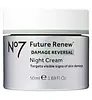
Water, Glycerin, Butyrospermum Parkii Butter, Sorbitan Stearate, Dimethicone, Cetearyl Alcohol, Caprylic/Capric Triglyceride, Niacinamide, Ethylhexyl Stearate, Polyacrylamide, C13-14 Isoparaffin, Tocopheryl Acetate, Panthenol, Phenoxyethanol, Dimethiconol, Parfum, Tribehenin, Dipropylene Glycol, Sucrose Cocoate, Methylparaben, Laureth-7, Carbomer, Sodium Hyaluronate, Ethylparaben, Hydrolyzed Rice Protein, Propylene Glycol, Ascorbyl Glucoside, Xanthan Gum, Tetrasodium EDTA, Potassium Hydroxide, Propanediol, Pentylene Glycol, Decyl Glucoside, Sodium Benzoate, Morus Alba Leaf Extract, Lindera Strychnifolia Root Extract, Ethylhexylglycerin, Palmitoyl Tetrapeptide-94, Palmitoyl Tetrapeptide-95
Water
Skin Conditioning3-O-Ethyl Ascorbic Acid
Skin Conditioning
Propylene Glycol
Humectant
Polysorbate 20
Emulsifying
Polyacrylate Crosspolymer-6
Emulsion StabilisingEthylhexylglycerin
Skin ConditioningSodium Hyaluronate
Humectant
Benzyl Alcohol
Perfuming


Allantoin
Skin Conditioning
Xanthan Gum
EmulsifyingPEG-40 Hydrogenated Castor Oil
Emulsifying
Sodium Citrate
BufferingLimonene
Perfuming
Dipropylene Glycol
HumectantLinalool
Perfuming
T-Butyl Alcohol
Perfuming
Parfum
Masking
Citric Acid
Buffering
Denatonium Benzoate
Masking
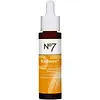
Water, 3-O-Ethyl Ascorbic Acid, Propylene Glycol, Polysorbate 20, Polyacrylate Crosspolymer-6, Ethylhexylglycerin, Sodium Hyaluronate, Benzyl Alcohol, Allantoin, Xanthan Gum, PEG-40 Hydrogenated Castor Oil, Sodium Citrate, Limonene, Dipropylene Glycol, Linalool, T-Butyl Alcohol, Parfum, Citric Acid, Denatonium Benzoate
Reviews
Ingredients Explained
These ingredients are found in both products.
Ingredients higher up in an ingredient list are typically present in a larger amount.
Dipropylene Glycol is a synthetically created humectant, stabilizer, and solvent.
This ingredient helps:
Dipropylene glycol is technically an alcohol, but it belongs to the glycol family (often considered part of the ‘good’ alcohols). This means it is hydrating and gentle on skin unlike drying solvent alcohols like denatured alcohol.
As a masking agent, Dipropylene Glycol can be used to cover the smell of other ingredients. However, it does not have a scent.
Studies show Dipropylene Glycol is considered safe to use in skincare.
Learn more about Dipropylene GlycolEthylhexylglycerin (we can't pronounce this either) is commonly used as a preservative and skin softener. It is derived from glyceryl.
You might see Ethylhexylglycerin often paired with other preservatives such as phenoxyethanol. Ethylhexylglycerin has been found to increase the effectiveness of these other preservatives.
Parfum is a catch-all term for an ingredient or more that is used to give a scent to products.
Also called "fragrance", this ingredient can be a blend of hundreds of chemicals or plant oils. This means every product with "fragrance" or "parfum" in the ingredients list is a different mixture.
For instance, Habanolide is a proprietary trade name for a specific aroma chemical. When used as a fragrance ingredient in cosmetics, most aroma chemicals fall under the broad labeling category of “FRAGRANCE” or “PARFUM” according to EU and US regulations.
The term 'parfum' or 'fragrance' is not regulated in many countries. In many cases, it is up to the brand to define this term.
For instance, many brands choose to label themselves as "fragrance-free" because they are not using synthetic fragrances. However, their products may still contain ingredients such as essential oils that are considered a fragrance by INCI standards.
One example is Calendula flower extract. Calendula is an essential oil that still imparts a scent or 'fragrance'.
Depending on the blend, the ingredients in the mixture can cause allergies and sensitivities on the skin. Some ingredients that are known EU allergens include linalool and citronellol.
Parfum can also be used to mask or cover an unpleasant scent.
The bottom line is: not all fragrances/parfum/ingredients are created equally. If you are worried about fragrances, we recommend taking a closer look at an ingredient. And of course, we always recommend speaking with a professional.
Learn more about ParfumPropylene Glycol is an odorless, colorless liquid. As a humectant, it helps skin retain moisture. It also aids in delivering active ingredients.
Another role of this ingredient is preventing a product from melting or freezing. Propylene glycol also adds antimicrobrial properties to a product, elongating product lifespan.
This ingredient is considered an organic alcohol and commonly added into both cosmetics and foods.
Those with sensitive skin or conditions may develop a rash when using this ingredient.
Learn more about Propylene GlycolSodium Hyaluronate is hyaluronic acid's salt form. It is commonly derived from the sodium salt of hyaluronic acid.
Like hyaluronic acid, it is great at holding water and acts as a humectant. This makes it a great skin hydrating ingredient.
Sodium Hyaluronate is naturally occurring in our bodies and is mostly found in eye fluid and joints.
These are some other common types of Hyaluronic Acid:
Learn more about Sodium HyaluronateWater. It's the most common cosmetic ingredient of all. You'll usually see it at the top of ingredient lists, meaning that it makes up the largest part of the product.
So why is it so popular? Water most often acts as a solvent - this means that it helps dissolve other ingredients into the formulation.
You'll also recognize water as that liquid we all need to stay alive. If you see this, drink a glass of water. Stay hydrated!
Learn more about WaterXanthan gum is used as a stabilizer and thickener within cosmetic products. It helps give products a sticky, thick feeling - preventing them from being too runny.
On the technical side of things, xanthan gum is a polysaccharide - a combination consisting of multiple sugar molecules bonded together.
Xanthan gum is a pretty common and great ingredient. It is a natural, non-toxic, non-irritating ingredient that is also commonly used in food products.
Learn more about Xanthan Gum
